
Pruning
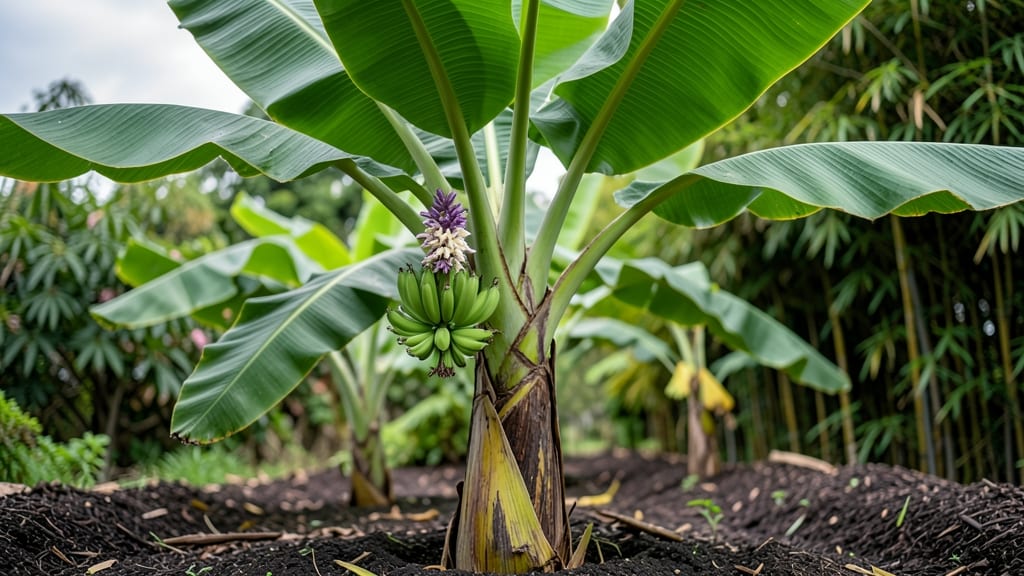
A banana tree in your yard isn’t just a tropical fantasy—it’s a lush, year-round privacy screen that outshines any hedge. 🌿 I’ve watched mine grow from a 2-foot sapling to a 12-foot green wall in just three seasons, blocking nosy neighbors while adding dramatic texture to my landscape.
The key? Picking the right variety for your zone and giving it space to stretch its giant leaves without crowding your patio.
These aren’t your grandmother’s banana trees—modern dwarf varieties like ‘Dwarf Cavendish’ or ‘Lady Finger’ stay manageable in small yards while still producing fruit. They thrive in USDA zones 10-11, but even in cooler climates, you can grow them in containers and overwinter them indoors.
The real magic happens when you pair them with other tropical plants like bird-of-paradise or bamboo for a layered, jungle-like effect that never goes out of style.
By summer, you’ll have a 10-foot-tall living wall that filters sunlight beautifully while keeping prying eyes out. The large leaves create natural shade for outdoor seating, and the occasional banana bunch becomes a conversation starter (even if you don’t eat them all).
Maintenance is simple: trim spent leaves in early spring, fertilize monthly during growing season, and watch your privacy screen grow with minimal effort.
Works best in sheltered spots where they get morning sun and afternoon shade—perfect for fences, property lines, or even as a dramatic centerpiece near patios. Just don’t plant them too close to foundations, as their roots can get aggressive over time. Ready to turn your yard into a tropical escape?
📚 In This Guide
- What you need
- Instructions
- Tips and common mistakes
- Wrapping up and next steps
What you need
- ● Banana tree plants: 3–5 Musa spp. (dwarf varieties like 'Dwarf Cavendish' or 'Red Dwarf' work best for small yards). Check local nurseries for cold-hardy options if you’re in a cooler climate.
- ● Well-draining soil mix: 1 part potting soil + 1 part compost + 1 part perlite (for each planting hole, ~2–3 cubic feet per tree). Pro tip: 💡 Banana trees hate soggy roots—amend heavy clay soil with sand or coconut coir!
- ● Organic mulch: 2–3 inches of wood chips or straw (spread in a 3-foot radius around each tree to retain moisture and suppress weeds).
- ○ Fertilizer: Balanced 10-10-10 or citrus-specific fertilizer (apply every 2–3 months during growing season). Optional: Banana tree food for a nutrient boost!
- ● Support stakes: 3–4 bamboo stakes (4–5 ft tall) or metal tree guards per plant to stabilize young trees.
- ● Pruning tools: Bypass pruners (for small branches)
- ● Loppers (for thicker stems)
- ● Sterilized saw (if removing large trunks—rarely needed for pruning)
- ● Watering supplies: Hose with adjustable nozzle or drip irrigation system (banana trees need 1–2 inches of water weekly).
- ● Cold protection: Frost cloth or bubble wrap (for zones below 10a—banana trees are tropical and not frost-tolerant!).
- ● Pest control: Neem oil spray (prevents aphids, spider mites, and fungal issues).
- ● Decorative elements: Solar-powered yard lights or wind chimes to enhance your tropical vibe! 🌺
- ● Soil test kit: To check pH (aim for 6.0–7.5; banana trees prefer slightly acidic to neutral soil).
How to plant a banana tree for year-round privacy
Here's how to turn your yard into a lush, evergreen privacy screen—no tropical climate required.
🌱 Step 1: Choose the Right Variety and Planting Location
For cooler climates, opt for dwarf banana varieties like 'Dwarf Cavendish' or 'Lady Finger'—they handle temperatures down to 20°F when protected. Avoid tropical banana types; they won’t survive frost. Plant in full sun with at least 6 hours of direct light daily—banana trees need warmth to thrive.
Select a spot with well-draining soil—banana trees hate soggy roots. If your yard has heavy clay, amend the soil with 2-3 inches of compost mixed into the top 12 inches. The tree’s base should be sheltered from strong winds, which can damage the large leaves. A south-facing wall or fence provides natural protection.
🪴 Step 2: Prepare the Planting Hole and Plant
Dig a hole twice as wide as the tree’s root ball but only as deep—planting too deep suffocates the roots. Loosen the sides of the hole with a shovel to encourage root spread. If your banana tree is in a container, soak the root ball for 10-15 minutes before removing it to minimize transplant shock.
Place the tree in the hole, ensuring the top of the root ball sits level with the ground—never bury the stem. Backfill with native soil, pressing gently to remove air pockets. Water deeply until moisture reaches 12 inches down, then add a 2-inch layer of mulch (like pine straw or wood chips) around the base, keeping it 6 inches away from the trunk to prevent rot.
☀️ Step 3: Water and Fertilize for Establishment
Water your banana tree 2-3 times per week for the first month, keeping the soil evenly moist but not soggy. You’ll know it’s right when the top 2 inches of soil feel damp—banana trees wilt quickly if thirsty. After establishment, water once a week unless your area experiences drought conditions, then increase to twice weekly.
Fertilize monthly during the growing season (spring through fall) with a balanced, slow-release fertilizer (like 10-10-10). In winter, reduce to every 6 weeks—banana trees rest in cooler months. Look for new fronds emerging as a sign your tree is thriving. If leaves yellow, it’s either overwatered or needs more nutrients.
✂️ Step 4: Protect and Prune for Year-Round Growth
Before the first frost, cover the tree with burlap or frost cloth to protect it from temperatures below 25°F. Remove the cover once temperatures rise above 40°F in spring. Prune dead or damaged leaves in early spring to encourage new growth—never cut healthy fronds, as they store energy for the tree.
To maintain a dense privacy screen, thin out older fronds as new ones emerge. Remove every other frond to improve airflow and reduce disease risk. If your tree produces suckers (small shoots at the base), select 2-3 strongest ones to keep—these become future trees. Mulch again in late fall to insulate roots through winter.
⏰ Step 5: Monitor and Adjust for Long-Term Privacy
Check the tree weekly for pests like spider mites or aphids—banana trees attract them with their broad leaves. Spray with neem oil if you spot webbing or sticky residue. If the tree leans toward the sun, stake it lightly with 3-4 bamboo stakes tied to the trunk to keep it upright without restricting growth.
After 3-5 years, your banana tree will reach 10-15 feet tall, creating a year-round privacy screen. For faster results, plant 4 trees in a staggered row, spacing them 6-8 feet apart. This ensures continuous coverage from the first year. Watch for flower spikes in summer—a sign of a healthy, mature tree!
Tips & tricks for perfect banana tree privacy screens
Here's what nobody tells you about growing a thriving banana tree in your yard—trust me, these tricks make all the difference.
Variety Matters: When selecting your dwarf banana tree, look for certified cold-hardy varieties from reputable nurseries. I learned this the hard way after buying a "hardy" tree that still died in my first winter—always verify the 20°F tolerance in writing. The 'Dwarf Cavendish' and 'Lady Finger' are your safest bets for cooler climates, but check local microclimates too. A spot near your house's south wall can add 5-10°F of protection during cold snaps.
Soil Prep Secret: Before planting, I recommend digging down 18 inches (double the 12-inch compost mix instructions) and mixing in coarse sand or perlite if your soil is naturally dense. This creates better drainage for those tropical roots. For heavy clay soils, consider building a raised bed—banana trees will thank you with faster growth and fewer root rot issues. The 2-inch mulch layer should be organic like straw or wood chips, not plastic or rocks, to maintain moisture while allowing airflow.
Watering Wisdom: The 2-3 times per week watering schedule assumes average temperatures—adjust based on your local climate. In my experience, morning watering is best to prevent fungal issues from evening moisture. Use a moisture meter to check that top 2 inches of soil stay damp, not soggy. After establishment, let the soil dry slightly between waterings—banana trees are surprisingly drought-tolerant once established. A drip irrigation system set on a timer works wonders for consistency.
Frost Protection Hack: When covering your tree before 25°F temps, I recommend adding a clear plastic sheet over the frost cloth to trap warmth. Remove it completely when temps rise above 40°F to prevent overheating. For extra insurance, wrap the trunk in bubble wrap before covering—this adds another 5°F of protection. I've seen trees survive 15°F with this double-layer method, though they'll still look sad until spring.
Pro Tips for Banana Tree In Yard
- Here's what nobody tells you about growing a thriving banana tree in your yard—trust me, these tricks make all the difference.
- Variety Matters: When selecting your dwarf banana tree, look for certified cold-hardy varieties from reputable nurseries.
- Soil Prep Secret: Before planting, I recommend digging down 18 inches (double the 12-inch compost mix instructions) and mixing in coarse sand or perlite if your soil is naturally dense.
Frequently asked questions
Got questions?
Whether you're a first-time banana tree owner or looking to troubleshoot common issues, we’ve got you covered. Here are some of the most frequently asked questions about growing a banana tree in your yard for privacy and beauty.
How long does it take for a banana tree to grow tall enough for privacy?
A banana tree can grow 10–20 feet tall in just 1–2 years under ideal conditions (warmth, full sun, and regular watering). Dwarf varieties like ‘Dwarf Cavendish’ mature faster (6–10 feet in 1–1.5 years), while larger types may take slightly longer. For quick privacy, plant multiple trees or combine them with fast-growing shrubs.
Can a banana tree survive winter in my yard?
Banana trees are tropical plants and thrive in USDA zones 10–12. In colder climates (zones 9 or below), they’ll need winter protection: mulch heavily, wrap the trunk, or move potted trees indoors. If left exposed, frost will kill the foliage, but the root system often survives to regrow in spring.
Do banana trees produce fruit in a home yard?
Yes! With proper care—full sun, rich soil, and consistent watering—your banana tree can produce fruit in 1–3 years. However, homegrown bananas may be smaller or less sweet than store-bought varieties. If fruit isn’t your priority, focus on pruning for lush foliage and privacy.
What should I do if my banana tree’s leaves turn yellow?
Yellow leaves usually signal overwatering, nutrient deficiency, or pests. Check the soil (it should be moist but not soggy) and adjust watering. Fertilize with a banana-specific or citrus blend in spring/summer. For pests (like spider mites), spray with neem oil or insecticidal soap. If the problem persists, test your soil’s pH (ideal: 6.0–7.5).
Can I prune a banana tree for better privacy without harming it?
Prune dead or yellow leaves year-round and trim back overgrowth in late winter/early spring. For a denser screen, remove suckers (shoots) from the base to redirect energy to the main trunk. Avoid heavy pruning during fruiting season—save it for after harvest.
Are there alternatives if my yard isn’t warm enough for banana trees?
If your climate is too cool, try these fast-growing, tropical-looking alternatives for privacy:
- Palm trees (e.g., ‘Pygmy Date Palm’ for zones 8–11)
- Bamboo (clumping types like ‘Bambusa multiplex’ for zones 6–10)
- Elephant Ear plants (e.g., ‘Alocasia’ or ‘Colocasia’ for zones 8–11)
- Screening shrubs like ‘Murraya paniculata’ (Orange Jasmine) for zones 9–11
Wrapping up and next steps
Adding a banana tree to your yard isn’t just about aesthetics—it’s a smart, space-efficient way to enjoy year-round privacy, lush greenery, and even fresh fruit! 🌿 With minimal upkeep and the right care, your banana tree can thrive as a natural, tropical focal point.
Whether you’re a beginner or a seasoned gardener, the key is patience, proper pruning, and a little love.
Ready to transform your outdoor space? Start by gathering your supplies and planning your planting spot—then watch your yard become a vibrant, private oasis. Your future self (and neighbors!) will thank you. 🌟