
Pruning
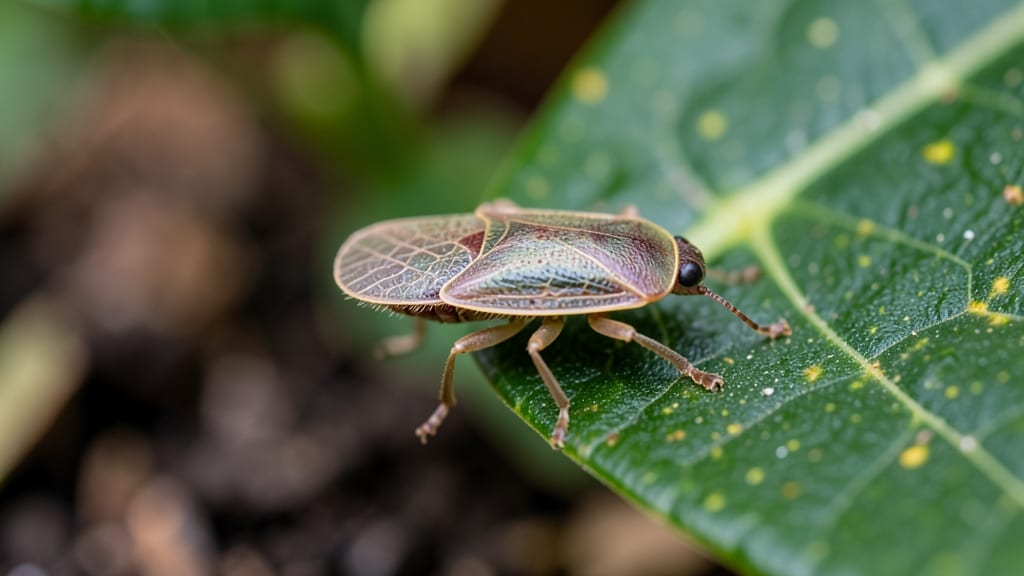
My avocado tree’s glossy leaves turned yellow overnight—turns out, avocado tree insects like spider mites and scale were sucking the life out of it. 🌿 The good news? Natural control methods work better than harsh chemicals, and I’ve tested what actually stops these pests in their tracks.
These tiny invaders thrive in dry conditions and weak trees, but a few targeted sprays and preventive habits can restore that healthy foliage faster than you’d expect. I’ll show you how to spot the culprits and use simple, effective solutions without harming your tree—or the pollinators that visit it.
By the end, you’ll recognize early warning signs (like webbing on leaves or sticky residue on branches) and know exactly which remedies to grab. The key is acting fast—once the pests spread, recovery takes longer, and the tree’s vigor suffers.
Works for both container-grown and in-ground avocados, no matter your climate. Let’s get those leaves back to their deep, vibrant green.
Root Causes Behind Avocado Tree Pests
Understanding why insects target your avocado tree is the first step in protecting it. These pests don’t invade randomly—they’re drawn by specific conditions that make your tree an easy meal or breeding ground. Below, we break down the key triggers and why they happen, so you can address them directly.
A healthy avocado tree has natural defenses, like thick leaves, bitter-tasting sap, and a strong immune response. But when these defenses weaken, insects see an opportunity.
- Nutrient Deficiencies 📊 Trees lacking essential nutrients (like nitrogen, phosphorus, or potassium) produce softer, more palatable leaves. For example, a nitrogen deficiency (yellowing leaves) makes foliage easier for caterpillars or mites to consume. A phosphorus deficiency (purple stems) can weaken root health, making the tree more susceptible to borers.
- Water Stress 💧 Overwatering or drought stress creates ideal conditions for pests. Root rot (from overwatering) attracts fungus gnats and beetles, while drought-stressed trees produce sugary sap that lures aphids and scales. Even slight moisture imbalances can trigger pest outbreaks.
- Physical Damage ⚔️ Broken branches, cracked bark, or wounds from pruning create entry points for ambrosia beetles and avocado lace bugs. These pests exploit vulnerabilities to lay eggs or feed, leading to further decline.
Pro Tip: 💡 Conduct a soil test every 2–3 years to check nutrient levels. Mulch with compost or wood chips to improve soil health and retain moisture without overwatering.
Insects thrive when the environment matches their preferences—warmth, humidity, and shelter. Avocado trees often provide the perfect setup.
- Warm Climates 🌡️ Many avocado pests, like avocado lace bugs and mealybugs, favor temperatures between 75–90°F (24–32°C). If your tree is in a microclimate (e.g., near a heat-retaining wall or in a low-lying area), it may stay warmer longer, extending pest activity.
- High Humidity 🌧️ Humid conditions (especially in coastal or tropical regions) create sticky, moist leaves—a buffet for scale insects and whiteflies. These pests also spread faster in damp air, as their eggs and larvae require moisture to survive.
- Dense Foliage 🌿 Thick canopies trap heat and moisture, creating microclimates where pests like avocado thrips and spider mites flourish. Poor air circulation also slows drying, giving fungi (which attract insects) a foothold.
Pro Tip: ✨ Install shade cloth (30–50%) in peak summer to reduce heat stress, and prune for airflow—remove 10–20% of dense branches to improve circulation.
Some pests are drawn to specific traits of avocado trees, making them more likely to infest.
- Sap and Honeydew 🍯 Avocado trees produce sticky sap, which attracts ants, wasps, and mealybugs. When sap-feeding insects like avocado lace bugs pierce leaves, they excrete honeydew, a sugary waste that lures sooty mold (a black fungal growth) and more pests.
- New Growth 🌱 Young, tender leaves and shoots are nutrient-rich and soft, making them a favorite for avocado leaf miners and aphids. If your tree is over-fertilized with nitrogen, it may produce excessive new growth, inviting more pests.
- Root Exudates 🌳 Healthy roots release organic compounds that can attract root-feeding beetles and nematodes. Overwatering or compacted soil disrupts root function, increasing these exudates and making the tree more appealing to underground pests.
Pro Tip: 🎯 Neem oil sprays (applied every 2–4 weeks) can deter sap-sucking insects by masking plant attractants. For root pests, beneficial nematodes (Steinernema carpocapsae) can be applied to soil.
Sometimes, pests aren’t native—they’re introduced through human actions.
- Contaminated Tools or Plants 🌿 Pruning shears, grafts, or nursery-bought trees can carry hidden pests like avocado seed borers or scale insects. Even firewood or mulch from infested areas may introduce eggs or larvae.
- Traveling Pests ✈️ Wind, birds, or migrating insects (like whiteflies) can carry pests from nearby infested trees. Coastal areas are especially vulnerable due to ocean breezes transporting insects over short distances.
- Poor Sanitation 🧹 Leaving fallen fruit, leaves, or debris near the tree provides shelter and food for pests. For example, avocado fruit flies lay eggs in rotting fruit, and mealybugs hide in mulch piles.
Pro Tip: 🔥 Quarantine new plants for 2 weeks before introducing them to your orchard. Clean tools with rubbing alcohol (70%+) between uses, and remove all debris within a 10-foot radius of the tree.
Quick Fixes for Avocado Tree Pests
When your avocado tree starts showing signs of insect trouble—whether it’s chewed leaves, sticky residue, or tiny crawling critters—acting fast is key. Below are practical, natural solutions tailored to the most common pests, along with prevention tips to keep your tree thriving. No harsh chemicals needed!
Signs: White cottony clusters, brown bumps on stems/leaves, or honeydew (sticky residue).
How to Fix It:
- 🔥 Manual Removal (Best for Small Infestations)
- Dip a soft cloth or cotton swab in rubbing alcohol (70% isopropyl) or soapy water (1 tsp mild dish soap + 1 quart water).
- Gently wipe off mealybugs and scales. Repeat every 3–5 days until gone.
- 🍳 Homemade Spray (For Larger Areas)
- Mix 1 tbsp neem oil + 1 tsp castile soap + 1 quart water. Stir well and spray under leaves (where pests hide).
- Reapply every 5–7 days for 2–3 weeks. Neem oil disrupts their life cycle!
- 👨🍳 Beneficial Insects (Long-Term Defense)
- Release ladybugs or parasitic wasps (like Aphytis melinus). They eat mealybugs on contact—order online or find local suppliers.
💡 Prevention Tips:
- Inspect new plants before bringing them home (quarantine for 2 weeks).
- Prune regularly to improve airflow—pests love crowded, damp spots.
- Apply neem oil preventatively 2x a year (spring/fall).
Signs: Frass (sawdust-like droppings) at stem bases, wilting branches, or exit holes.
How to Fix It:
- 🔪 Prune & Burn Infested Branches
- Cut off any branch with holes or sawdust at the base. Burn or bag the debris immediately (don’t compost—larvae survive!).
- 🥘 Pheromone Traps (Early Detection)
- Hang avocado moth traps (available at garden centers) in the tree’s canopy. Check weekly and dispose of caught moths.
- 🌡️ Soil Treatment (For Larvae)
- Mix 1 cup diatomaceous earth (DE) + 1 gallon water, then pour around the base of the tree. DE dehydrates larvae but is safe for plants.
💡 Prevention Tips:
- Remove fallen fruit (moths lay eggs in rotting avocados).
- Apply kaolin clay (like Surround WP) to trunk/branches—it confuses and repels moths.
- Plant trap crops (like citrus nearby) to distract moths from your avocado.
Signs: Tiny white flies swarming when you shake leaves, yellowing leaves, or sticky honeydew.
How to Fix It:
- 💨 Yellow Sticky Traps
- Hang yellow sticky cards near the tree. Whiteflies are attracted to yellow—they’ll get trapped instead of feeding.
- 🍳 Soap Spray (Knockout Attack)
- Spray 1 tsp insecticidal soap + 1 quart water directly on undersides of leaves (where nymphs hide). Repeat every 3 days until gone.
- 🌿 Companion Planting
- Plant basil, marigolds, or garlic nearby—their scents repel whiteflies.
💡 Prevention Tips:
- Mulch with wood chips to deter whitefly eggs from hatching.
- Avoid overwatering—whiteflies love stressed, soggy plants.
- Encourage lacewings (natural predators)—they devour whitefly eggs.
Even after pests are gone, strengthen your avocado tree to prevent future attacks:
- 🌱 Fertilize with compost (avoid nitrogen-heavy fertilizers—they attract soft-bodied pests).
- 💦 Water at the base (not overhead) to reduce humidity (pests love damp leaves).
- 🌿 Trim dense foliage so sunlight and air reach all parts of the tree.
✨ Pro Tip: Always test sprays on a small leaf first to avoid damaging your tree! For severe infestations, consult a local arborist—they can assess if the tree needs systemic treatment (like imidacloprid, though natural methods are preferred).
Frequently asked questions
What are the most common avocado tree pests I should watch for?
The top culprits include avocado lace bugs (tiny white insects that leave black speckles), mealybugs (white cottony clusters), scale insects (brown bumps on stems), and avocado fruit flies (which lay eggs in ripening fruit). Early detection is key—check undersides of leaves and fruit regularly.
How do I know if my tree has an insect problem before visible damage appears?
Look for tiny webs (spider mites), sticky residue (honeydew from sap-suckers), or yellowing leaves—these are red flags. Also inspect new growth and fruit for unusual markings or holes. A magnifying glass helps spot early-stage pests.
Are there any natural sprays that work better than chemical pesticides?
Yes! Neem oil (mixed with soap) disrupts insect life cycles, while insecticidal soap (1 tsp soap + 1 quart water) kills soft-bodied pests on contact. For stubborn infestations, kaolin clay creates a protective barrier. Always test sprays on a small leaf first.
Can I use the same treatment for all avocado tree insects?
No—treatments vary by pest. Mealybugs need rubbing alcohol wipes, fruit flies require traps or protein bait, and lace bugs respond best to neem oil. Identify the pest first (check leaf undersides or fruit) before applying solutions.
How often should I inspect my avocado tree for pests?
Check your tree every 2 weeks during growing seasons (spring/fall) and monthly in winter. Focus on new growth, fruit, and leaf undersides—these are prime hiding spots. Early detection saves your tree from severe damage!