
Pruning
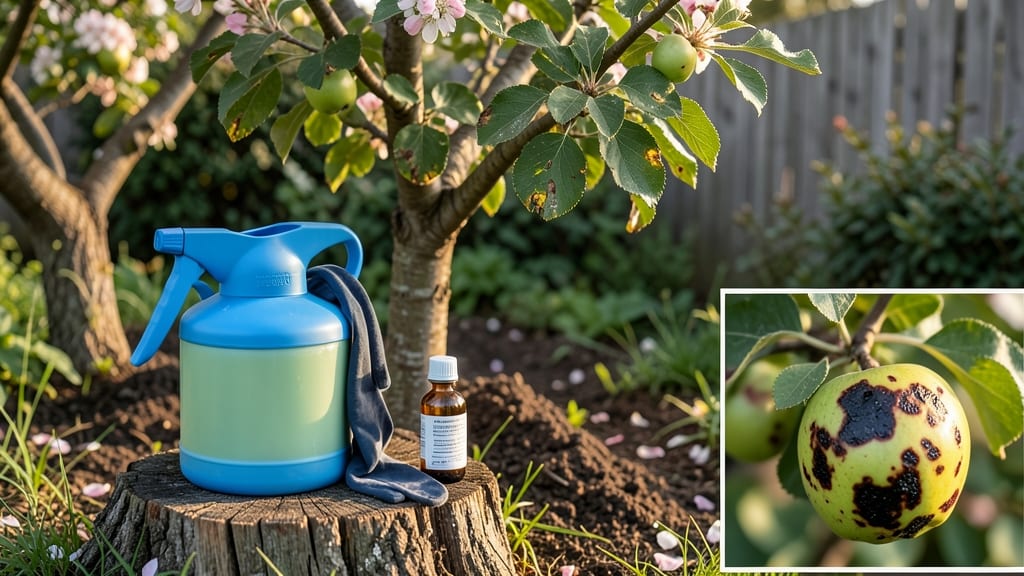
Apple tree fungicides are the fast, foolproof way to stop blight before it ruins your harvest. 🌱 I’ve seen entire orchards saved by a single application when caught early—no more blackened leaves or rotting fruit. The key is knowing when to spray and how to make it stick.
Apple scab, powdery mildew, and black rot thrive in damp spring weather, turning your tree’s foliage into a fungal buffet. Copper fungicides work by disrupting the spores’ ability to infect, but timing matters—spray before buds swell, then again after petal fall. It’s not just about coverage; it’s about strategy.
You’ll see results within 2-3 weeks: new growth stays clean, and existing spots stop spreading. The spray is safe for bees once dry, and organic versions (like copper sulfate) won’t harm soil or wildlife. Just avoid spraying when rain’s forecasted—washing it off defeats the purpose.
For severe cases, combine copper with preventive measures: thin branches for airflow, water at the base (not overhead), and mulch to keep soil healthy. Still struggling? A local arborist can diagnose hidden issues—sometimes it’s not just fungus.
Root Causes Of Fungal Spread
Fungal infections in apple trees aren’t random—they thrive because of specific conditions that create the perfect storm for spores to germinate and spread. Understanding these triggers helps you prevent outbreaks before they start. Below, we break down the key factors that turn a healthy orchard into a fungal hotspot.
Fungi love water—it’s their lifeblood. Apple trees are especially vulnerable when:
- Leaves stay wet for long periods: Dew, rain, or overhead irrigation create a damp environment where spores thrive. University of Minnesota studies show that 12+ hours of leaf wetness drastically increases fungal activity.
- Soil is waterlogged: Compacted or poorly drained soil traps moisture at the roots, weakening the tree’s defenses. Phytophthora and Armillaria (root rot fungi) exploit soggy conditions to invade.
- Fungal spores splash up: Raindrops can catapult spores from infected leaves or mulch onto healthy foliage, accelerating spread.
Actionable fix: Space trees for airflow, use drip irrigation (not sprinklers), and mulch with gravel or wood chips (not thick organic layers) to reduce soil moisture.
Fungi spread like wildfire in dense, shaded foliage where humidity lingers. Key red flags:
- Branches touch or overlap: This creates microclimates with 90%+ humidity, ideal for Venturia inaequalis (apple scab) spores.
- Thick, unpruned growth: Older, inner leaves stay damp longer, becoming infection hotspots.
- Shade from nearby trees/buildings: Reduced sunlight slows leaf drying, extending the window for fungal colonization.
Actionable fix: Prune to open the canopy (aim for 50-70% light penetration in the middle) and remove crossing branches that block airflow.
Fungi are opportunistic—they exploit specific weather patterns. For apple trees, the danger zones are:
| Fungus | Ideal Conditions | Risky Season |
|---|---|---|
| Venturia inaequalis (Apple Scab) | 50–70°F with leaf wetness | Spring (bud swell to petal fall) |
| Podosphaera leucotricha (Powdery Mildew) | 60–80°F, high humidity | Late spring to summer |
| Neofabraea malicorticis (Flyspeck) | Cool (50–60°F), wet foliage | Fall (harvest to leaf drop) |
Actionable fix: Monitor 7-day weather forecasts and apply copper fungicides proactively before rain events (e.g., 24–48 hours ahead).
Damaged bark or roots act as entry points for fungi. Common culprits:
- Pruning cuts left unhealed: Jagged wounds expose vascular tissue, inviting Nectria or Botryosphaeria.
- Hail or animal damage: Torn leaves or bark create moisture traps where spores land.
- Root injury from cultivation: Disturbed roots weaken the tree, making it 3x more susceptible to Armillaria.
Actionable fix: Seal pruning cuts with pruning paint (only on cuts >½ inch wide) and avoid late-summer pruning when fungi are most active.
A stressed tree is a fungal buffet. Look for these warning signs:
- Yellowing leaves (chlorosis): Often from iron or zinc deficiency, weakening cell walls.
- Stunted growth: Lack of nitrogen or phosphorus reduces sap flow, making it harder to fight infections.
- Over-fertilization with nitrogen: While it greens leaves, it delays fruit maturation, leaving fruit vulnerable to rot.
Actionable fix: Test soil annually and balance NPK ratios (e.g., 10-10-10 for young trees, 5-10-10 for mature). Add compost or mycorrhizal fungi to boost root resilience.
Quick Fixes for Fungal Foes
Fungal infections like apple scab, powdery mildew, and fire blight can turn your apple tree’s lush leaves into a sad, spotted mess—but don’t panic! With the right copper-based fungicides and proactive care, you can restore your tree’s health and prevent future outbreaks.
Below, we’ve mapped out practical, step-by-step solutions tailored to common fungal causes, plus prevention tips to keep your orchard thriving.
Cause: Venturia inaequalis thrives in wet, humid conditions, leaving dark, velvety spots on leaves and fruit. Fix It Fast:
- 🔥 Prune Infected Branches Remove and dispose of (don’t compost!) heavily spotted leaves and twigs in fall or early spring to reduce spore spread.
- 🍳 Apply Copper Fungicide at Key Times
- Dormant season (late winter): Spray a copper sulfate or copper hydroxide mix (follow label rates) to protect buds.
- Pink bud stage: Reapply to stop spores from germinating.
- Post-bloom (7–10 days after petals fall): Final spray to shield new growth. Pro tip: 💡 Mix with a spreader-sticker (like horticultural oil) to improve coverage on waxy leaves.
- 🌡️ Improve Airflow & Drainage
- Thin out dense branches to reduce humidity near the canopy.
- Mulch with wood chips (not fresh sawdust) to keep soil dry.
Prevent Relapse:
- 🎯 Space trees 15–20 feet apart to minimize crowding.
- 🌧️ Water at the base (avoid overhead sprinklers) to keep foliage dry.
Cause: Podosphaera leucotricha loves shady, humid spots, coating leaves in a chalky film that weakens the tree. Fix It Fast:
- 👨🍳 Scrub Off Severe Cases For light infections, hose down leaves with water + a drop of dish soap (1 tsp per gallon) to disrupt spores. Avoid this if copper spray was recently applied—wait 24 hours.
- 🥘 Use Copper + Baking Soda Spray Mix:
- 1 tbsp baking soda
- 1 tsp dish soap
- 1 tbsp copper fungicide
- 1 gallon water Spray under leaves (where mildew hides) every 7–10 days until gone.
- ⏰ Time Your Copper Sprays Apply copper fungicide 3 times per season:
- Early spring (before buds swell)
- After petal fall
- Late summer (if humidity spikes)
Prevent Relapse:
- ✨ Plant mildew-resistant varieties like ‘Liberty’ or ‘Enterprise’ apples.
- 🌿 Prune for sunlight—remove lower branches to improve airflow.
Cause: Erwinia amylovora bacteria (yes, it’s bacterial, but copper helps!) creates blackened, oozing cankers that spread like wildfire. Fix It Fast:
- 🔪 Prune Aggressively (But Carefully!)
- Cut 6–12 inches below the blackened tissue (use sterilized pruners with rubbing alcohol).
- Dispose of cuts immediately—don’t leave them on the ground.
- Seal pruning wounds with copper-based wound paint (like Bonide Copper Fungicide).
- 🍎 Apply Copper Bactericide
- Dormant season: Spray copper hydroxide to prevent bacterial buildup.
- Bloom time: Reapply if rain washes it off.
- Post-infection: Use copper + streptomycin (if available) for severe cases.
- 🌡️ Reduce Stress on the Tree
- Water deeply but infrequently to avoid soggy soil.
- Avoid nitrogen-heavy fertilizers (they encourage tender growth).
Prevent Relapse:
- 🎯 Remove infected fruit from the ground (bury or burn it).
- 🌿 Plant fire blight-resistant varieties like ‘Akane’ or ‘Jonagold’.
| Problem | Prevention Hack | When to Do It |
|---|---|---|
| Humidity buildup | Install drip irrigation + fan for airflow | Spring to fall |
| Spore spread | Rake up fallen leaves (especially in fall) | October–November |
| Soil-borne fungi | Solarize soil (cover with clear plastic for 4–6 weeks) | Late summer (for next year) |
| Weakened trees | Feed with compost + potassium (avoid excess nitrogen) | Early spring & late fall |
Final Pro Tip: 🌟 Rotate fungicides every few years to prevent resistance—alternate between copper, sulfur, and organic options like neem oil (for mildew only).
With these targeted fixes, your apple tree will bounce back stronger than ever. Now grab that spray bottle and get to work—your future harvest depends on it! 🍏💪
Frequently asked questions
When is the best time to apply copper fungicide to my apple tree?
Apply copper fungicides at three critical times: late winter (dormant season), pink bud stage, and 7-10 days after petal fall. This timing stops spores before they germinate and protects new growth. Always spray before rain—copper needs 24-48 hours to bond with leaves.
Can I use copper fungicide if my tree already has visible fungal spots?
Yes, but it won’t reverse damage—it stops further spread. For existing spots, prune infected branches first (dispose of them!) and apply copper immediately. Pair it with baking soda spray (1 tbsp baking soda + 1 tsp dish soap per gallon) for mildew. Severe cases may need 2-3 applications spaced 7-10 days apart.
Is copper fungicide safe for bees and other pollinators?
Copper is bee-safe once dry—wait 4 hours after spraying before bees visit. Avoid spraying when flowers are open (especially during bloom). For extra protection, apply in early morning when bees are less active. Organic options like neem oil are even safer but less effective for severe infections.
How do I know if my apple tree needs fungicide or just better care?
Check for these signs: dark spots on leaves (scab), white powdery coating (mildew), or blackened cankers (fire blight). If you see only yellowing leaves or slow growth, it’s likely nutrient deficiency or poor drainage. Start with pruning for airflow and soil testing before reaching for fungicide.
What’s the difference between copper sulfate and copper hydroxide?
Copper sulfate is cheaper but more acidic (can burn leaves if overused). Copper hydroxide is gentler and less corrosive to tools. For organic gardening, choose copper hydroxide—it’s OMRI-listed and safer for soil. Always follow label rates: 1-2 lbs per 100 gallons of water for most trees.