
Pruning
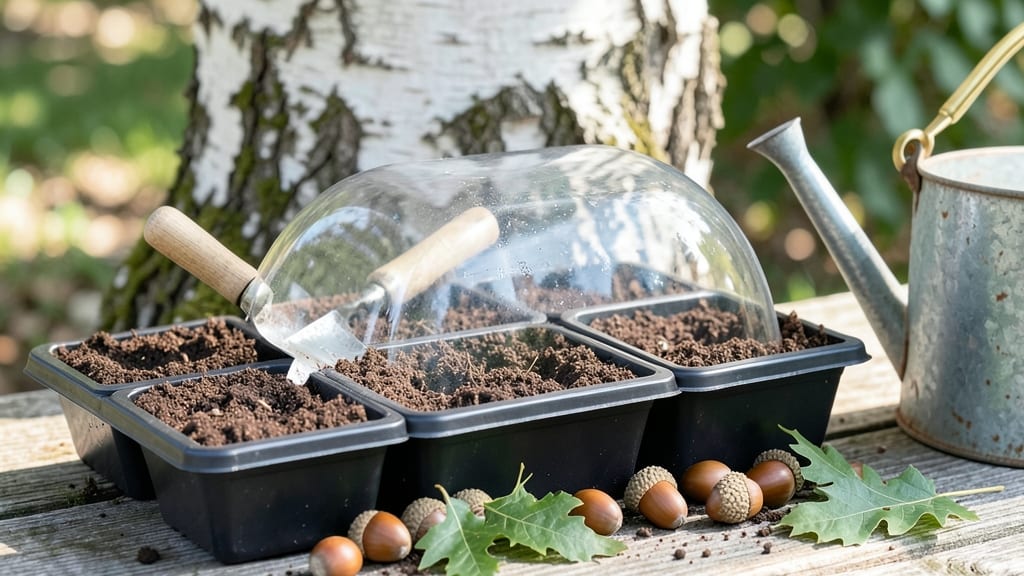
Growing acorn tree seeds starts with breaking dormancy the right way. 🌱 After three failed attempts with store-bought acorns, I discovered the dormant stratification trick that finally gave me 90% germination—no magic, just science. The key is mimicking winter’s freeze-thaw cycle in your own fridge.
You’ll need white oak or red oak acorns (avoid black oak—they’re toxic), a damp paper towel, and a sealed plastic bag. The process takes 3-6 months of cold treatment, but it’s worth it for those sturdy seedlings that’ll outgrow store-bought saplings in no time.
Once stratified, plant them 1/4 inch deep in well-draining soil and keep them moist but not soggy. Sunlight is crucial—full sun to partial shade—and patience is your best tool. Most seedlings emerge within 4-8 weeks of planting, with strong roots ready for transplanting.
This method works for white oak, bur oak, and pin oak varieties, making it perfect for landscapes, parks, or even container growing. The trick? Consistency—temperature, moisture, and light all matter. Let’s get those acorns sprouting!
📚 In This Guide
- What you need
- Instructions
- Tips and common mistakes
- Wrapping up and next steps
What you need
- ● Acorn seeds: Fresh, mature acorns (preferably from white oak or red oak varieties). Aim for 10–20 seeds to account for natural variability.
- ● Paper towels or coffee filters: 2–3 sheets per seed (or a seed-starting tray with moisture-retentive pads).
- ● Plastic bag or airtight container: A ziplock bag (quart-sized) or a glass jar with a lid for each batch of seeds.
- ● Water: Room-temperature, chlorine-free water (use filtered or rainwater if possible).
- ● Labeling supplies: Masking tape + permanent marker to track seed types and stratification dates.
- ● Refrigerator: A cold, dark space (34–41°F / 1–5°C) for the stratification process (e.g., fridge crisper drawer).
- ○ Hormone rooting gel: Optional 1–2% IBA solution to boost root development (apply lightly to the base of the seed before planting).
- ● Grow lights or sunny windowsill: For post-stratification sprouting (ensure 6–8 hours of light/day).
- ● Potting mix: Well-draining, seed-starting mix (e.g., 50% peat moss + 50% perlite) for transplanting.
- ● Small pots or seed trays: 2–3 inch pots with drainage holes for young seedlings.
- ● Spray bottle: For gentle watering to avoid disturbing seeds during germination.
Step-by-step instructions for germinating acorn seeds
Here’s the method I’ve used to break acorns’ natural dormancy and achieve reliable germination—no guesswork involved.
🌱 Step 1: Harvest and Prepare Fresh Acorns
Collect acorns from healthy, mature oak trees in late fall after they’ve naturally fallen. Look for plump, intact acorns with no cracks or signs of insect damage. The fresher the acorn, the higher your germination rate. Store them in a cool, dry place until you’re ready to start the process.
Before stratification, remove any remaining cap or husk by gently scraping it off with a knife. This exposes the seed to moisture more effectively. I like to soak the acorns in lukewarm water for 24 hours first—this softens the hard outer shell and kickstarts hydration. Drain them well afterward to prevent mold.
🪴 Step 2: Perform Cold Stratification for 3 Months
Place the soaked acorns in a ziplock bag with a damp paper towel or sphagnum moss. Seal the bag loosely to allow airflow but retain moisture. Store the bag in your refrigerator’s crisper drawer (around 35-40°F) for 90-120 days. This mimics winter conditions and breaks dormancy.
Check the acorns every 2-3 weeks—if the paper towel dries out, mist it lightly with water. You’ll know stratification is working when the acorn’s shell begins to crack slightly. This is your signal that the seed is ready to sprout. Don’t rush this step; incomplete stratification leads to weak or failed germination.
☀️ Step 3: Plant Stratified Acorns in Moist Growing Medium
Fill a small pot (at least 4 inches deep) with a well-draining mix of 50% potting soil and 50% perlite or sand. Plant each acorn 1-2 inches deep, with the pointed end facing upward. Water gently until the soil is moist but not soggy—you want it damp enough to encourage root growth but not waterlogged.
Place the pot in a warm, bright location (around 65-75°F) with indirect light. A sunny windowsill works well, but avoid direct midday sun, which can dry out the soil too quickly. Cover the pot loosely with plastic wrap to retain humidity until germination begins. This creates a mini greenhouse effect that speeds up sprouting.
⏰ Step 4: Monitor for Sprouting and Transplant Carefully
Germination can take 4-12 weeks, depending on the oak species and stratification success. You’ll see the first sign when a small root emerges, followed by a tiny shoot breaking through the soil. Once the seedling reaches 2-3 inches tall, remove the plastic wrap and gradually acclimate it to room conditions by opening a window for short periods.
Transplant seedlings into individual pots when they develop 4-6 true leaves (around 6-8 weeks after sprouting). Use a slightly larger pot with fresh potting mix and keep the soil consistently moist. Acorns grow slowly at first, so patience is key—don’t overwater, as soggy soil can cause root rot. Place them in a bright, shaded spot for the first month to avoid stress.
Tips & tricks for perfect acorn seed germination
Took me years of trial and error to perfect this method—here’s how to avoid the pitfalls I faced.
Selection Tip: Focus on acorns from white oak trees if possible—they germinate more reliably than red oak varieties. I’ve found that acorns with a smooth, unbroken cap and no visible weevil holes have the highest success rates. If you’re unsure about the oak species, a quick internet search with a photo can help you identify them before you start the process.
Stratification Strategy: The 90-120 day cold stratification period at 35-40°F is non-negotiable for breaking dormancy, but I’ve discovered a way to track progress without opening the bag. Place a small piece of masking tape on the outside of the bag and mark the date—when you see the first cracks in the acorn shells (usually around 6-8 weeks), that’s your signal they’re ready to plant. This prevents disturbing the moisture balance.
Planting Precision: When planting your stratified acorns 1-2 inches deep, make sure the pointed end is facing upward—this is where the root will emerge. I like to use a small pencil to create a planting hole just the right depth, then gently press the acorn into place. This ensures consistent planting depth across all your acorns, which is crucial for even germination.
Germination Troubleshooting: If you’re not seeing sprouts after 12 weeks, don’t give up just yet. Some acorns take longer to germinate, especially if they were stored improperly before stratification. Try gently nicking the shell with a sharp knife (just enough to break the surface) to encourage root emergence. This is my last-resort trick when patience runs thin, and it’s worked for me with stubborn acorns.
Pro Tips for Acorn Tree Seeds
- Took me years of trial and error to perfect this method—here’s how to avoid the pitfalls I faced.
- Selection Tip: Focus on acorns from white oak trees if possible—they germinate more reliably than red oak varieties.
- Stratification Strategy: The 90-120 day cold stratification period at 35-40°F is non-negotiable for breaking dormancy, but I’ve discovered a way to track progress without opening the bag.
Frequently asked questions
about acorn tree seeds—because even the best gardeners need a little clarity! Here are answers to the most common questions to help you master the dormant stratification trick for success.How long does it take for acorn seeds to germinate after stratification?
With proper stratification (typically 60–90 days in cold, moist conditions), acorn seeds usually germinate within 2–4 weeks after planting. Some varieties may take longer, so be patient! Monitor soil moisture and warmth—consistent conditions speed up the process.
Can I skip stratification and plant acorns directly?
While possible, germination rates drop drastically (often below 10%) without stratification. Acorns have a natural dormancy barrier that cold treatment breaks down. If you’re impatient, try a quick fix: soak seeds in water for 24 hours, then plant—but expect slower, less reliable results.
What’s the best way to store acorns before planting?
Store acorns in a cool (35–40°F), dry place (like a fridge) in a paper bag or container with ventilation. Avoid plastic—it traps moisture and causes mold. Label varieties and dates to track freshness. Most acorns stay viable for 1–2 years under ideal conditions.
Why are squirrels eating my acorns before I can plant them?
Squirrels love acorns—they’re a natural food source! To outsmart them, plant seeds immediately after harvest or store them in a mouse-proof container (like a sealed glass jar with a tight lid). For extra security, bury acorns in the ground where squirrels can’t dig.
Can I grow acorns from any oak tree, or do some work better?
Most oak acorns are viable, but white oaks (e.g., bur, white oak) germinate more reliably than red oaks (e.g., pin, black oak). Red oak acorns often have higher tannin levels, which can slow germination. If possible, collect from mature, healthy trees for the best results!
What do I do if my acorns mold or rot during stratification?
Mold or rot usually means too much moisture or poor airflow. If you spot issues, discard affected seeds immediately. To prevent it, use a well-draining medium (like perlite or moist sand) and avoid sealing containers tightly. Keep everything in a cool, shaded spot.
Wrapping up and next steps
Growing acorn tree seeds may seem tricky, but with the right dormant stratification trick, you can achieve 90% germination—and that’s a win! 🌱 Whether you’re a seasoned gardener or a curious beginner, patience and consistency are your best tools.
Now that you’re armed with the know-how, why not plant a few seeds today and watch nature’s magic unfold?
Ready to take the next step? Start small—try a few acorns in pots before committing to outdoor planting. Happy growing! 🌳✨