
Diseases
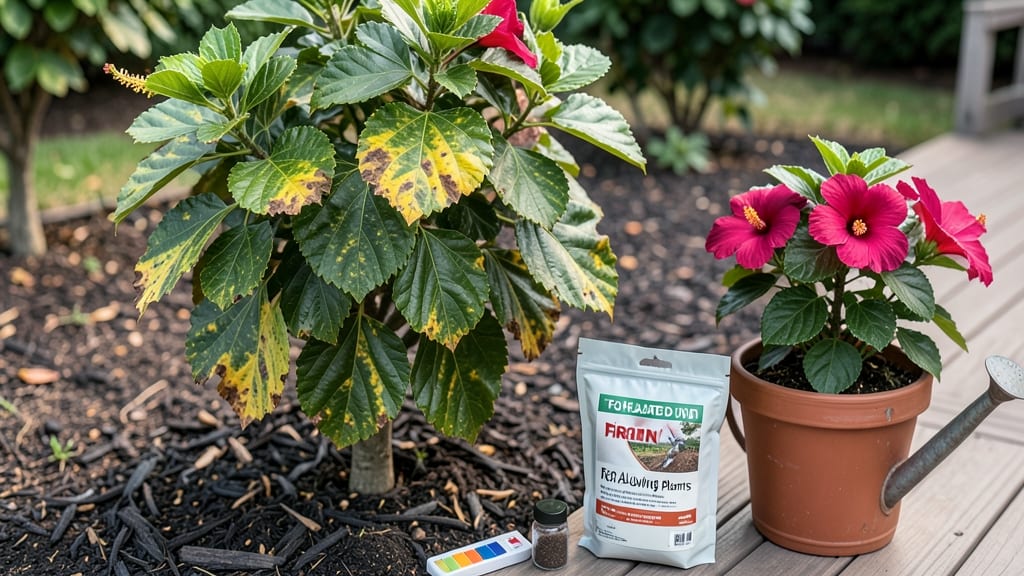
Why are the leaves on my hibiscus tree turning yellow? That’s a clear sign your plant is either getting too much water or lacking essential nutrients—both issues are easy to fix with the right care. 🌿 I’ve diagnosed this exact problem after my own hibiscus nearly lost all its leaves, and the solution starts with checking the soil and leaves for specific clues. Overwatering often shows as yellowing between leaf veins, while nutrient deficiency causes uniform yellowing (chlorosis). Pests or disease might also be at play, but the first step is always examining the pattern: are leaves wilting, curling, or dropping? That tells you exactly what’s wrong. By adjusting your watering schedule and adding the right fertilizer, you’ll see fresh green growth within 2-3 weeks. The key is consistency—hibiscus trees hate soggy roots but also need steady moisture, especially in hot weather. Prevent future problems with a simple soil test and seasonal feeding routine. Let’s get your hibiscus thriving again!
Root Causes Of Yellowing Leaves
When your hibiscus tree’s leaves start turning yellow, it’s often a distress signal from the plant—like a red flag waving in slow motion. 🚩 Understanding the underlying causes helps you diagnose the issue accurately and take targeted action.
Below, we break down the most common reasons why hibiscus leaves yellow, explained in clear, science-backed terms.
Hibiscus trees are tropical plants that thrive in well-drained soil, but they’re also prone to root rot when their roots sit in soggy conditions. When you overwater—or if the soil doesn’t drain properly—oxygen can’t reach the roots, leading to:
- Root suffocation: Excess water displaces air in the soil, suffocating roots and preventing nutrient absorption.
- Fungal infections: Waterlogged soil creates the perfect breeding ground for Phytophthora and other pathogens that attack roots.
- Nutrient leaching: Overwatering washes away essential minerals like nitrogen, magnesium, and potassium, which are critical for chlorophyll production.
🔍 Watch for: Yellowing leaves that start at the bottom of the plant, mushy stems, or a foul smell from the soil.
Yellowing leaves can signal a lack of key nutrients, often due to poor soil quality or improper fertilization. Here’s what’s missing when hibiscus leaves turn yellow:
| Nutrient | Yellowing Pattern | Why It Happens |
|---|---|---|
| Nitrogen (N) | Older leaves turn pale yellow or yellow-green first. | Nitrogen is essential for chlorophyll production. A deficiency slows photosynthesis, causing leaves to lose their green pigment. |
| Magnesium (Mg) | Interveinal yellowing (yellowing between veins) on older leaves. | Magnesium is a central component of chlorophyll. Without it, leaves can’t produce enough of the pigment, leading to yellow patches. |
| Iron (Fe) | Young leaves turn yellow while veins stay green (chlorosis). | Iron is vital for chlorophyll synthesis. In alkaline soils, iron becomes unavailable to the plant, even if it’s present in the soil. |
| Potassium (K) | Yellowing on leaf edges or tips, often with brown spots. | Potassium helps regulate water and nutrient transport. A deficiency weakens the plant’s ability to maintain cell integrity, leading to discoloration and necrosis. |
💡 Pro Tip: Conduct a simple soil test to identify deficiencies. Hibiscus trees prefer slightly acidic soil (pH 6.0–6.5). If your soil is alkaline, amend it with sulfur or peat moss to improve nutrient availability.
While overwatering is a common culprit, underwatering can also trigger yellowing leaves. Hibiscus trees are drought-tolerant but still need consistent moisture to thrive. When soil dries out:
- Transpiration slows: Leaves lose water faster than roots can replenish it, causing cellular damage.
- Nutrient transport halts: Water acts as a carrier for nutrients. Without it, leaves can’t receive the minerals they need to stay green.
- Oxidative stress increases: Dry conditions lead to the buildup of harmful free radicals, which break down chlorophyll.
🔍 Watch for: Crispy or curling leaf edges, wilting, or leaves that yellow and drop suddenly during dry spells.
Pests and pathogens can drain a hibiscus tree’s resources, leading to yellowing leaves as the plant diverts energy to fight off invaders. Common culprits include:
- Aphids or spider mites: These sap-sucking pests inject toxins that disrupt chlorophyll production, causing yellowing or stippling on leaves.
- Scale insects: They feed on plant sap, weakening the tree and leading to nutrient deficiencies that manifest as yellowing.
- Fungal diseases (e.g., anthracnose): Fungi like Colletotrichum thrive in humid conditions, causing yellow spots that eventually turn brown and necrotic.
- Root-knot nematodes: These microscopic worms attack roots, reducing the plant’s ability to absorb water and nutrients, which stresses the foliage.
🔍 Watch for: Sticky residue (honeydew) on leaves, visible pests, or yellowing paired with black sooty mold (a fungus that grows on honeydew).
Hibiscus trees are sensitive to their surroundings, and sudden changes in their environment can trigger yellowing leaves. Common stressors include:
- Temperature extremes: Cold drafts or heatwaves disrupt photosynthesis. Hibiscus prefers temperatures between 60–85°F (15–29°C). Below 50°F (10°C), leaves may yellow due to chilling injury.
- Sunburn: Too much direct sunlight (especially after being shaded) can scorch leaves, causing yellow or brown patches.
- Wind or physical damage: Strong winds or rough handling can tear leaves, exposing them to pathogens and accelerating yellowing.
- Transplant shock: Moving a hibiscus tree disrupts its root system, leading to temporary yellowing as it adjusts.
🌡️ Pro Tip: If your hibiscus is outdoors, monitor microclimates. Young trees or those in pots are more vulnerable to temperature fluctuations.
Now that you know the why behind yellowing hibiscus leaves, the next step is identifying the specific cause in your plant and taking corrective action. Stay tuned for our solutions section, where we’ll cover fixes for each of these issues! 🌿🔧
Fixing Yellowed Hibiscus Leaves
Now that you’ve identified why your hibiscus tree’s leaves are turning yellow, it’s time to take action! The good news? Most issues are reversible with the right care. Below are practical, step-by-step solutions tailored to each cause, plus prevention tips to keep your hibiscus thriving.
Signs: Yellowing leaves, soggy soil, wilting despite water, or roots smelling rotten.
🔥 Step 1: Check the Soil Moisture
Before acting, confirm the problem:
- Stick your finger 2–3 inches deep into the soil. If it’s damp or sticky, you’re overwatering.
- If the topsoil is dry but compacted, drainage may be the issue.
🍳 Step 2: Adjust Your Watering Routine
Hibiscus trees hate soggy roots—they need well-draining soil and consistent moisture, not saturation. - Water deeply but less often: Aim for 1–1.5 inches of water per week (including rain).
Let the top 1–2 inches of soil dry out between waterings. - Morning watering is best: This reduces evaporation and fungal risks. - Use a moisture meter if unsure—it’s a game-changer for overwaterers!
👨🍳 Step 3: Improve Drainage (If Needed)
If your hibiscus is in a pot or heavy clay soil:
- Add perlite or sand (1 part to 3 parts potting mix) to improve aeration.
- Repot if necessary: Choose a container with drainage holes and a fast-draining mix (like cactus or palm mix).
- Raise pots off the ground: Use feet or a saucer to prevent water pooling.
⏰ Step 4: Let It Recover
- Stop watering immediately if the soil is waterlogged.
- Trim severely yellowed or mushy leaves to redirect energy to healthy growth.
- Monitor for 2–3 weeks: New leaves should green up if roots aren’t permanently damaged.
💡 Pro Tip: If roots are rotting, prune affected areas with sterilized scissors and treat with fungicide (like copper-based sprays).
Signs: Pale yellow leaves (especially older ones), slow growth, or stunted blooms.
📊 Step 1: Test Your Soil (Optional but Helpful)
A simple soil test kit (available at garden centers) can reveal deficiencies in nitrogen, iron, magnesium, or zinc. Hibiscus thrives in slightly acidic soil (pH 6.1–6.5).
💪 Step 2: Fertilize Correctly
- For nitrogen deficiency (yellowing lower leaves):
- Use a balanced fertilizer (10-10-10 or 20-20-20) every 4–6 weeks during growing season (spring–fall).
- Foliar spray with liquid seaweed or fish emulsion for a quick boost.
- For iron/magnesium deficiency (yellowing between veins):
- Iron chelate (for chlorosis) or Epsom salt (magnesium sulfate)—mix 1 tbsp per gallon of water and apply monthly.
- Avoid over-fertilizing—hibiscus prefers light, frequent feeds over heavy doses.
🍎 Step 3: Improve Soil Health
- Add compost or worm castings (1–2 inches) around the base to enrich soil naturally.
- Mulch with organic matter (like pine bark) to retain moisture and nutrients.
✨ Pro Tip: Slow-release granules (like Osmocote) reduce the risk of over-fertilizing.
Signs: Yellowing with crispy edges, leaf scorch, or wilting in hot afternoons.
🌿 Step 1: Provide Afternoon Shade
- Hibiscus loves morning sun but can get sunburned in intense afternoon heat.
- Use shade cloth (30–50%) or move potted plants to a slightly shadier spot for a few hours daily.
- Reflective surfaces? Move the plant away from concrete or glass, which intensifies heat.
💦 Step 2: Boost Hydration
- Water deeply in the morning to prevent stress.
- Mist leaves lightly on hot days (but avoid soggy foliage to prevent fungal issues).
🎯 Step 3: Gradually Acclimate (If Relocating)
If your hibiscus was recently moved:
- Hardening off: Expose it to 1–2 hours of sun daily, increasing time over 1–2 weeks.
🔥 Pro Tip: Drip irrigation keeps roots consistently moist without wetting leaves (reducing sunburn risk).
Signs: Yellowing with sticky residue, holes, or spots, or a white powdery substance on leaves.
🔪 Step 1: Identify the Culprit
- Aphids/Scale: Sticky sap (honeydew), curled leaves.
- Spider Mites: Tiny webs, yellow stippling.
- Fungal Issues: Yellow spots with black rings (anthracnose) or white powder (powdery mildew).
🚿 Step 2: Remove Infestations
- For pests:
- Neem oil spray (1 tsp neem oil + 1 tsp mild soap per quart of water) – repeat every 5–7 days.
- Blast off aphids with a strong water spray.
- Introduce beneficial insects (ladybugs or lacewings) for natural control.
- For fungus:
- Prune infected leaves and sterilize tools with rubbing alcohol.
- Apply copper fungicide or baking soda spray (1 tsp baking soda + 1 quart water + a drop of soap).
🛡️ Step 3: Prevent Future Outbreaks
- Space plants for airflow (hibiscus needs good circulation).
- Avoid overhead watering—water at the base only.
- Clean up fallen leaves to reduce fungal spores.
💡 Pro Tip: Preventative sprays (like neem oil) every 2–3 months keep pests at bay.
Once your hibiscus recovers, maintain these habits to prevent yellowing: ✅ Water wisely – Check soil moisture before watering. ✅ Fertilize lightly – More isn’t better! ✅ Prune regularly – Remove dead/diseased branches to improve airflow. ✅ Monitor pests – Catch issues early.
With the right fixes, your hibiscus should bounce back in 2–4 weeks—and those vibrant blooms will be back in no time! 🌺
Frequently asked questions about yellowing hibiscus leaves
Why do hibiscus leaves turn yellow in patches instead of all at once?
Patchy yellowing usually signals nutrient deficiencies or pest damage. If you see yellowing between leaf veins on older leaves, it’s likely a magnesium deficiency. For yellow spots with brown edges, check for fungal diseases like anthracnose or spider mites causing stippling. Always examine the undersides of leaves first.
Can I save my hibiscus if the yellowing has spread to most leaves?
Yes, but act fast! First, check the roots—if they’re mushy or smell rotten, you’re dealing with overwatering/root rot. Trim affected roots and repot in fresh, well-draining soil. If leaves are just yellow but not mushy, it’s likely a nutrient issue. Apply Epsom salt (magnesium) or a balanced fertilizer and monitor for 2–3 weeks of recovery.
Is yellowing hibiscus foliage contagious to other plants?
Not the yellowing itself, but the underlying causes might be. If yellowing is due to fungal diseases (like anthracnose) or pests (aphids, spider mites), these can spread to nearby plants. Isolate infected hibiscus until treated with fungicide or neem oil. Always sterilize pruning tools between plants to prevent cross-contamination.
How often should I fertilize a hibiscus to prevent yellow leaves?
Feed your hibiscus every 4–6 weeks during spring and summer with a balanced fertilizer (10-10-10). In fall/winter, reduce to once every 8–12 weeks since growth slows. Over-fertilizing causes nutrient burn, which also turns leaves yellow! For quick fixes, use foliar sprays with seaweed extract or iron chelate for deficiencies.
Will pruning yellow leaves help my hibiscus recover faster?
Yes! Pruning removes stressed leaves that drain the plant’s energy. Cut back only the yellowed or damaged leaves—never more than 1/3 of the plant at once. Use sterilized scissors and make clean cuts just above a leaf node. This encourages new growth and improves airflow, reducing fungal risks. Do this in the morning for best results.