
Pruning
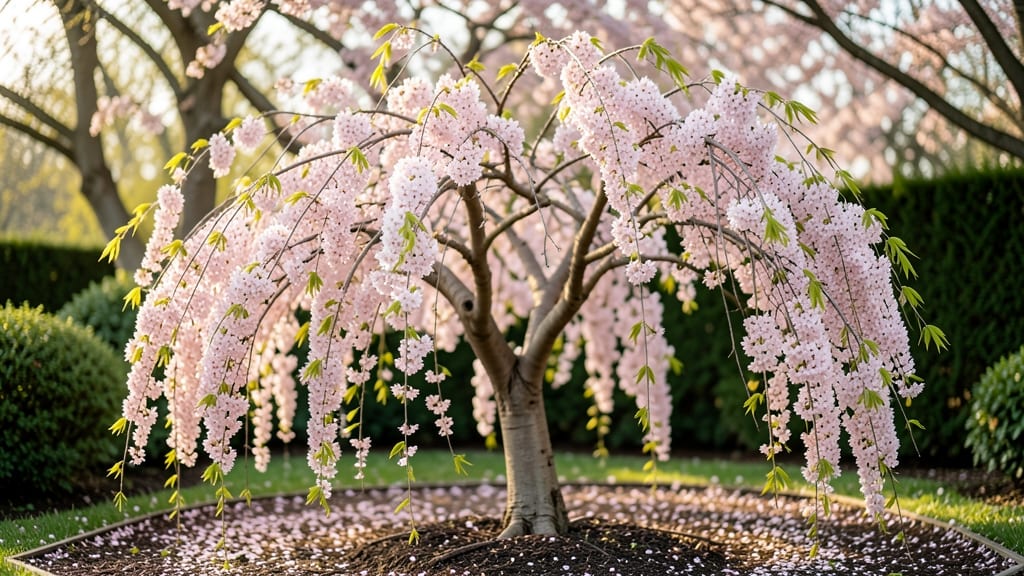
A weeping Yoshino cherry tree size can grow anywhere from 15 to 30 feet tall, with its graceful, cascading branches spreading 15 to 25 feet wide at maturity.
Imagine a dramatic springtime display of delicate white blossoms 🌸 spilling over your garden like a living waterfall—but only if you plan for its eventual grandeur. Without the right spacing or pruning, this stunning tree can quickly outgrow its welcome, shading out smaller plants or even brushing against your roof.
Whether you’re dreaming of a standalone specimen or a mixed-border focal point, understanding its growth habits is key.
From fast early growth to the slow-and-steady spread of its mature years, we’ll break down how soil, climate, and pruning shape its size—and how to keep it in check without sacrificing its beauty.
By the end, you’ll know exactly how much room to leave for your weeping Yoshino cherry tree, plus pro tips for managing its size in small yards, urban spaces, or even large landscapes.


Weeping Yoshino cherry tree size: mature height, width & spread by variety
The Weeping Yoshino cherry tree (Prunus × yedoensis) is famous for its dramatic, cascading branches that create a stunning visual impact. However, not all weeping varieties grow the same—some stay compact while others reach towering heights.
Understanding these mature size differences helps you choose the perfect cultivar for your garden space, whether it's a small urban yard or a sprawling landscape.
Most weeping Yoshino cherries mature between 15 to 30 feet tall, but their width and spread can vary dramatically based on the cultivar. For example, the 'Tama-no-Ue' variety often stays shorter and bushier, while 'Pendula' types can develop a more dramatic, fountain-like shape.
Let’s break down the specifics so you can plan your garden layout with confidence.
Below is a detailed comparison of popular weeping Yoshino cherry tree varieties, including their mature height, width, and spread, as well as their typical growth habits. This will help you visualize how each variety will look in your outdoor space over time.
| Variety | Mature Height (ft) | Mature Width (ft) | Spread (ft) | Growth Habit | Best For |
|---|---|---|---|---|---|
| 'Tama-no-Ue' | 15-20 ft | 12-15 ft | 15-20 ft | Bushy, rounded | Small yards, containers |
| 'Pendula' | 20-30 ft | 15-20 ft | 20-25 ft | Weeping, fountain-like | Large gardens, focal points |
| 'Shidare Yoshino' | 18-25 ft | 12-18 ft | 18-22 ft | Semi-weeping, graceful | Mixed landscapes, parks |
| 'Mount Fuji' | 25-30 ft | 15-20 ft | 20-25 ft | Tall, upright-weeping | Large estates, urban canopies |
| 'Kiku-shidare Zakura' | 12-18 ft | 10-14 ft | 12-16 ft | Compact weeping | Small spaces, patios |
When selecting a weeping Yoshino cherry tree, consider not just its mature height, but also its spread and growth habit. For instance, the 'Tama-no-Ue' variety is ideal for smaller gardens or even large containers, while the 'Pendula' variety needs ample space to showcase its dramatic weeping branches.
Always check your local USDA hardiness zone (typically zones 6-8) to ensure the cultivar will thrive in your climate.
Another key factor is the growth rate. Most weeping Yoshino cherries grow about 12-24 inches per year, but this can vary based on soil quality, sunlight, and watering habits.
For example, trees planted in well-draining, slightly acidic soil with full sun exposure tend to grow faster and reach their mature size more quickly. If you're planting in an urban area with limited space, opt for a compact variety like 'Kiku-shidare Zakura' to avoid future pruning struggles.
If you're unsure which variety to choose, consider the visual impact you want to create. The 'Mount Fuji' variety, for example, offers a striking vertical presence, perfect for anchoring a garden or lining a driveway.
Meanwhile, the 'Shidare Yoshino' provides a softer, more flowing appearance that works beautifully in naturalistic landscapes. Always measure your available space and leave room for the tree's full spread—this will prevent overcrowding and ensure healthy growth.
Proper pruning techniques can also influence the final size and shape of your weeping Yoshino cherry tree. Light pruning after flowering helps maintain its natural form, while more aggressive pruning can encourage bushier growth.
Avoid heavy pruning in late summer or fall, as this can stimulate new growth that won’t harden off before winter. Instead, focus on structural pruning in late winter or early spring to shape the tree while it’s still dormant.
For those with limited space, consider planting your weeping Yoshino cherry tree near a south-facing wall or fence
How fast does a weeping Yoshino cherry tree grow? Growth rate & timeline
The Weeping Yoshino cherry tree (Prunus × yedoensis) grows at a moderate to fast pace during its early years, with dramatic height increases in the first decade. While it may seem slow initially, its cascading branches create a stunning visual impact within just a few years.
Understanding its year-by-year growth helps you plan for pruning, spacing, and long-term garden design.
On average, this tree reaches its mature height of 15-30 feet in 15-25 years, though some faster-growing specimens may hit 20 feet in as little as 12 years. The key to maximizing growth lies in optimal growing conditions, including well-draining soil, full sun exposure, and proper watering.
Let’s break down the timeline and factors that influence its speed.
- Year 1: 2-4 ft – Focus on root establishment; minimal height gain.
- Year 3: 6-10 ft – Rapid vertical growth begins; branches start cascading.
- Year 5: 12-18 ft – Canopy expands; prune to encourage fuller growth.
- Year 10: 20-25 ft – Near mature height; growth slows but width increases.
- Year 15-25: 25-30 ft – Full maturity; minimal height gain, but branches thicken.
Climate plays a huge role in growth speed. In USDA Zones 6-8, where this tree thrives, it grows fastest with 6+ hours of sunlight daily and well-draining soil. Cooler climates may slow growth slightly, while warmer regions accelerate it.
For example, in Zone 7, a tree might reach 15 feet by year 8, while in Zone 6, it may take a year or two longer.
Pruning also impacts growth. Light pruning after flowering (late spring) encourages denser branching, while heavy pruning can stunt height gains. Avoid pruning in fall or winter, as this stresses the tree.
If you want to control its size, prune annually to remove up to 25% of new growth—this keeps it manageable in smaller gardens without sacrificing its beauty.
To accelerate growth, focus on soil health and watering consistency. Amend clay soil with compost to improve drainage, and water deeply once a week during the first year.
In years 2-5, reduce watering to every 10-14 days once established. Mulching with wood chips retains moisture and encourages root expansion, which fuels faster above-ground growth.
If you’re planting in an urban setting with limited space, choose a container-grown specimen (though mature trees rarely thrive in pots). For ground planting, ensure 15-20 feet of clearance from structures and other plants.
With the right care, your Weeping Yoshino will become a showstopping focal point in just a decade or two.