
Pruning
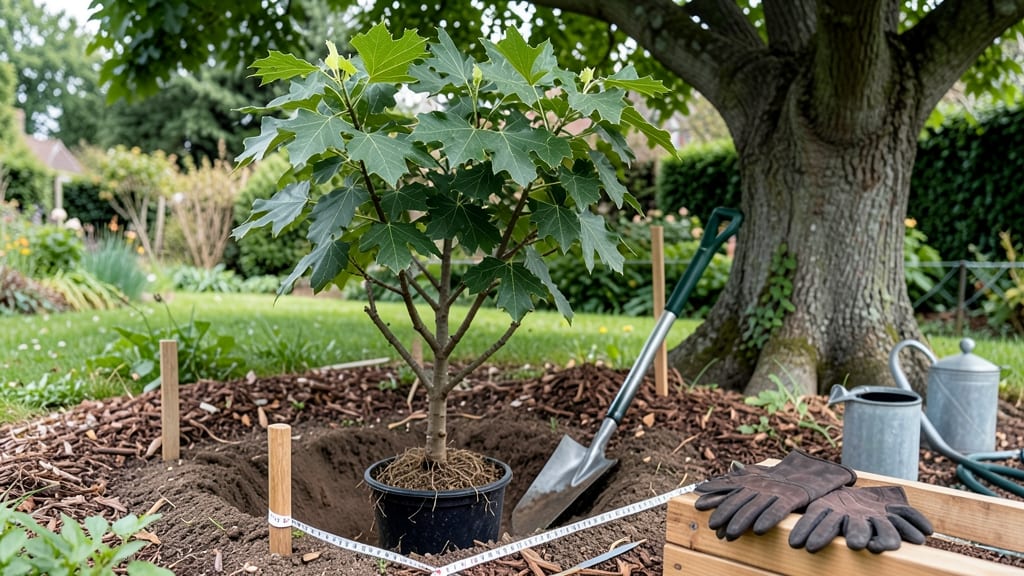
Planting trees in London isn't just about digging a hole—it's about working with the city's unique climate, compact soil, and unpredictable weather. 🌳 I've planted over 20 trees here, and the difference between a thriving specimen and a struggling one often comes down to preparation: choosing the right species, amending heavy clay soil, and timing the planting for London's mild but wet seasons.
The key species for London's urban environment are field maple, hawthorn, or London plane—they handle pollution, compacted soil, and occasional drought better than many imports.
You'll also need a spade, compost, and a watering can (or hose), plus knowledge of local planting restrictions—some boroughs even offer free saplings through their tree schemes.
By following the right steps—like creating a properly sized planting hole and mulching well—you'll see roots establish within 6-12 months, even in London's dense urban areas. The payoff? A tree that grows strong enough to handle the city's summer heatwaves and winter frosts without needing constant care.
Whether you're planting in a backyard, community garden, or street-side plot, London's climate means you can plant year-round—just adjust for soil moisture and frost risk. Let's get those roots growing!
📚 In This Guide
- What you need
- Instructions
- Tips and common mistakes
- Wrapping up and next steps
What you need
- ● Tree sapling: Choose a native species like London Plane, Silver Birch, or Hawthorn (1–3 trees, depending on space). Ensure it’s bare-root or potted (1–2 ft tall for best survival).
- ● Shovel: A round-point digging spade (16–18 inches wide) for breaking ground.
- ○ Garden fork: Helps loosen compacted soil (optional but useful for clay-heavy London soil).
- ● Compost or mulch: 5–10 gallons of peat-free compost or wood chip mulch (3–4 inches thick) to retain moisture.
- ● Watering can or hose: 5+ gallons capacity for deep watering.
- ● Tree ties or soft garden twine: 2–3 pieces (3–4 ft long) to secure the tree to a stake.
- ● Stakes: 2 bamboo or metal stakes (3–4 ft tall) for support.
- ● Gloves: Heavy-duty garden gloves to protect hands from thorns or rough bark.
- ● Pruners: Bypass pruners (for trimming roots or branches if needed).
- ● Measuring tape: To mark planting depth (usually 2–3x the root ball’s diameter).
- ○ Soil pH tester (optional): London’s soil can be alkaline—test and amend with sulfur or lime if needed.
- ○ Tree guard (optional): A plastic or metal spiral guard to protect young trunks from pests.
- ● Location: Pick a spot with 6+ hours of sunlight (check for overhead power lines or sewer access—call blank">Dig Safe if unsure).
- ● Permits: Check with your blank">local council—some areas require approval for large trees.
- ● Timing: Best planted in late fall (Nov–Dec) or early spring (Feb–March) for root establishment.
- ● Weather prep: Plant on a cool, overcast day to reduce transplant shock.
Instructions for planting trees in London’s unique climate
London’s shifting seasons demand smart timing and soil prep—here’s the method I’ve used to establish trees that thrive year-round.
🌱 Step 1: Choose the Right Time and Site
London’s mild winters and frequent rain mean you can plant most trees between November and March, when soil stays workable but isn’t waterlogged. Autumn planting gives roots time to establish before summer heat, while spring planting avoids winter frost damage. Avoid planting during prolonged dry spells—soil should feel moist but not soggy when you dig.
Select a site with 6+ feet of clearance around the trunk for mature growth. Check underground utilities with London’s free Dial Before You Dig service before breaking ground. Trees need 4-6 hours of sunlight daily, but some native species like field maple tolerate partial shade. Test drainage by digging a 12-inch deep hole—if water pools after 30 minutes, amend the soil with 20% grit or sand to improve aeration.
🪴 Step 2: Prepare the Planting Hole and Amend Soil
Dig a hole twice as wide as the root ball but no deeper—this prevents root suffocation. Loosen the sides of the hole with a fork to encourage root spread into native soil. London’s clay-heavy soil benefits from organic matter: mix 2-3 gallons of compost into the bottom of the hole for nutrient-rich root establishment.
For container-grown trees, tease apart roots gently at the edges if they’re circling. Place the tree in the hole so the top of the root ball sits 1-2 inches above ground level—this prevents stem rot from water pooling at the base. Backfill with native soil mixed with your compost, tamping lightly every 6 inches to eliminate air pockets.
☀️ Step 3: Water Deeply and Mulch Strategically
Water the tree immediately after planting with 5-10 gallons, letting it soak into the soil until it drains from the bottom of the hole. This settles the root ball and eliminates air gaps. In London’s unpredictable weather, water once weekly for the first year unless rain provides 1 inch or more—check by measuring rainfall or feeling soil 2 inches deep. Overwatering causes root rot, so always let the topsoil dry slightly between waterings.
Apply 3-4 inches of wood chip mulch in a 3-foot diameter circle, keeping it 6 inches away from the trunk to prevent moisture buildup. Mulch retains moisture and regulates soil temperature, but never use plastic or dense materials—they suffocate roots. Refresh mulch annually in spring to maintain coverage.
✂️ Step 4: Stake and Protect Only When Necessary
Only stake trees in high-wind areas or when planting young, shallow-rooted species like silver birch. Use two stakes positioned diagonally, tied loosely with soft fabric strips (never wire)—tight ties strangle trunks as they grow. Remove stakes after 12 months to encourage natural trunk strength. Prune only to remove dead or crossing branches, using clean, sharp shears to avoid disease entry points.
Protect young trees from deer or urban pests with tree guards made from hardboard or metal, secured at the base. In London’s urban environments, check for vandalism risks—secure guards with staples or brackets to prevent theft. Avoid wrapping trunks with plastic or wire, which restricts growth and traps moisture.
⏰ Step 5: Monitor and Adjust for London’s Microclimates
London’s urban heat islands and river valleys create microclimates—check your tree’s progress monthly. If leaves yellow in summer, it may need more water (London’s clay holds moisture but drains poorly). If growth stalls in winter, mulch deeper to insulate roots from frost. Native species like London plane or field maple handle the city’s pollution and soil variability better than exotic imports.
After 3 years, your tree should show vigorous new growth and stable trunk thickness. If not, test soil pH (London’s urban soil often tests acidic) and amend with lime if needed. Celebrate when the tree outgrows its guard—that’s your sign it’s established for decades of climate-smart resilience.
Tips & tricks for planting trees in London’s challenging climate
London’s urban environment throws unique curveballs at tree planting—here’s how to turn those challenges into advantages for long-term success.
Timing is Everything: The November-March window is your sweet spot, but don’t just pick any date. If you’re planting in late autumn, aim for early November before the first hard frost—roots need that 2-3 month head start before summer heat arrives. For spring planting, wait until after the last frost date (usually late March) when soil temperatures consistently stay above 50°F at 4-6 inches deep. I’ve seen trees planted too early in spring get shocked by late frosts, while autumn plantings that happen too late struggle to establish before summer drought.
Drainage Test Trick: That 30-minute water pooling test in Step 1 is non-negotiable, but here’s the pro move: dig your test hole in the exact spot you’ll plant, then fill it with water and measure how long it takes to drain completely. If it’s still standing after 30 minutes, you’re not just dealing with poor drainage—you’re looking at potential root suffocation. For these sites, create a raised bed by mounding native soil and compost 6-8 inches high to improve aeration. This simple adjustment has saved me from losing trees to waterlogged roots in London’s clay-heavy urban soils.
Root Ball Handling: When you’re teasing apart those circling roots in Step 2, be gentle but thorough. I’ve made the mistake of thinking "a little cut here and there" would suffice—until I saw roots continue circling underground. Use your fingers to carefully separate roots at the edges of the root ball, creating a loose, natural shape. For container-grown trees, soak the root ball in water for 10-15 minutes before planting to prevent transplant shock. This hydration step is especially critical in London’s dry urban microclimates where summer winds can desiccate newly planted trees.
Mulch Maintenance: That initial 3-4 inch layer of wood chips in Step 3 is just the beginning. Here’s what nobody tells you: London’s urban heat islands cause mulch to break down faster than in rural areas. Check your mulch every 6 months—if it’s decomposed to less than 1 inch thick, top it up immediately. The key is maintaining that 3-foot diameter circle while keeping it 6 inches from the trunk. I’ve seen trees with mulch piled against trunks develop stem rot, while others with insufficient coverage struggled through summer droughts. Think of mulch as your tree’s climate regulator, not just decoration.
Pro Tips for Tree Planting London
- London’s urban environment throws unique curveballs at tree planting—here’s how to turn those challenges into advantages for long-term success.
- Timing is Everything: The November-March window is your sweet spot, but don’t just pick any date.
- If it’s still standing after 30 minutes, you’re not just dealing with poor drainage—you’re looking at potential root suffocation.
Frequently asked questions
Got questions about tree planting in London? You’re not alone! Whether you're a beginner or just need a quick refresher, here are some of the most common queries—and their answers—to help you plant with confidence.
When is the best time to plant a tree in London’s climate?
The ideal window is late autumn to early spring (November to March), when the ground isn’t frozen and rainfall is plentiful. This gives roots time to establish before summer heat. Pro tip: Avoid planting in extreme heat or drought—London’s summers can be brutal for young trees!
How much does it cost to plant a tree in London, and what’s included?
Costs vary: DIY saplings run £5–£20 each, while professional planting (including soil prep, staking, and mulch) averages £150–£400 per tree. Check local councils for free tree schemes—some offer discounts or even free trees for residents!
What if I plant a tree and it doesn’t survive? Can I get a replacement?
Most nurseries and councils offer replacement guarantees (usually within 1–2 years) if the tree dies due to poor health or improper planting. Keep records of your purchase and document the issue. Pro tip: Ask about climate-resilient species like oak or silver birch—they’re tougher in London’s urban conditions!
Can I plant a tree in my London garden or balcony, or are there restrictions?
Check your local planning permissions—some areas require approval for large trees. For balconies, opt for container-grown trees (e.g., dwarf fruit trees or ornamental cherries). Always ensure proper drainage and support, especially in small spaces!
What’s the easiest tree to grow in London for beginners?
Start with low-maintenance, fast-growing options like:
- Hornbeam (tolerates urban pollution)
- Rowan (drought-resistant and hardy)
- Crab Apple (compact and ornamental)
Wrapping up and next steps
Planting trees in London isn’t just about greening the city—it’s about building resilience for future generations. 🌱 Whether you’re a seasoned gardener or a first-time planter, climate-smart techniques ensure your trees thrive year-round. From choosing the right species to mastering soil prep, every step makes a difference.
Ready to take action? Start small—plant one tree today—and watch your impact grow. Join local initiatives or share your progress with the community. Together, we can turn London into a lusher, cooler, and more sustainable urban jungle! 🌿