
Pruning
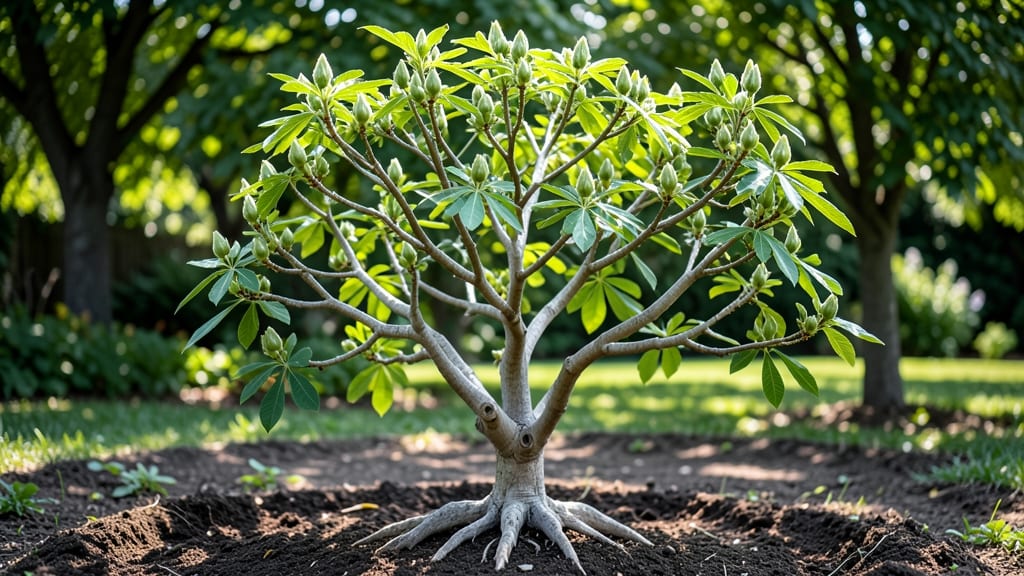
Your Tree of Heaven’s future starts with these sharp cuts. ✂️ Late-winter pruning is the secret weapon against shriveled buds, fungal blight, and pest damage—before the tree even thinks about new growth.
I’ve watched this invasive tree go from scraggly to lush and vigorous in just one season by timing cuts right and targeting the right branches. The key? Prune when buds swell but before they burst—usually February or March in most climates.
You’re not just shaping the tree; you’re giving it a fresh start by removing dead wood, crossing branches, and encouraging strong, healthy growth. Just be prepared: this tree grows back fast, so wear gloves and safety glasses.
What you’ll end up with is a tree that looks thriving, not struggling—fewer fungal spots, fewer pest attacks, and buds that open into vibrant green foliage. The best part? You’re also controlling its spread, since aggressive pruning slows its invasive tendencies.
Works for both young trees and established ones, but skip this if your tree is already showing signs of anthracnose (black spots). That’s a whole different battle. Let’s get those shears ready!
📚 In This Guide
- What you need
- Instructions
- Tips and common mistakes
- Wrapping up and next steps
What you need
- ● Pruning shears or loppers: Choose bypass pruners (for clean cuts) or loppers (for thicker branches, 1.5–2.5 inches in diameter). Sharpness is key! Test on a small branch first.
- ● Pruning saw: A curved-tooth saw for branches over 2.5 inches thick. Look for a 7–10-inch blade for ease of use.
- ● Disposable gloves: Nitrile or latex-free (Tree of Heaven sap can irritate skin). Opt for gardening gloves with reinforced palms for extra protection.
- ● Disinfectant (70% isopropyl alcohol or bleach solution): 1 part bleach to 9 parts water. Sanitize tools between cuts to prevent disease spread.
- ○ Heavy-duty trash bags (2–3): For collecting pruned branches. Optional: A wheelbarrow if hauling large debris.
- ● Ladder (if needed): A stable, extendable ladder (e.g., 24–32 feet) with non-slip feet. Never stand on the top rung!
- ● Safety gear: Safety glasses (ANSI-rated)
- ● Long sleeves/pants (to avoid sap burns)
- ● Closed-toe shoes or boots
- ● Hand pruners (for small buds): Anvil-style for precision trimming of Tree of Heaven buds (1/8–1/4 inch cuts).
- ● Tree wound dressing: Pruning sealant (controversial but useful for large cuts >2 inches). Use sparingly!
- ● Marking spray (paint): Bright pink or white to tag branches for future reference.
- ● Extension pole saw: For high branches without a ladder (e.g., 20–30 feet reach).
- ● First-aid kit: Include hydrocortisone cream (for sap rashes) and antiseptic wipes.
Step-by-step guide to pruning tree of Heaven buds
Late-winter is the perfect time to shape your tree of heaven while it's still dormant.
✂️ Step 1: Gather the Right Tools for Clean Cuts
Start with a sharp pair of bypass pruning shears for smaller branches and a pruning saw for thicker stems. I always sterilize my tools with rubbing alcohol before I begin—this prevents spreading disease between cuts. You'll also want a ladder if your tree is taller than 6 feet, and a glove to protect your hands from thorns and rough bark.
Here's the thing—dull tools crush branches instead of making clean cuts. Test your shears by snipping a small branch: if it tears instead of cutting cleanly, sharpen them first. A clean cut heals faster and looks better than a jagged one.
🌱 Step 2: Identify and Remove Dead or Diseased Wood
Look for branches that are completely brown, brittle, or devoid of buds. These are dead and need removal. I start at the bottom of the tree and work my way up—this way, I can see the full structure and avoid over-pruning. Use your pruning shears to cut just outside the branch collar, the swollen area where the branch meets the trunk.
Don't cut flush with the trunk—that's a common mistake. The branch collar contains healing tissues, and cutting into it slows recovery. If a branch is diseased, bag it immediately and dispose of it in the trash, not your compost.
🌿 Step 3: Thin Out Overcrowded Branches for Better Airflow
Tree of heaven grows quickly, and dense branches invite pests and diseases. Aim to remove about 20-30% of the total branches to improve airflow. Focus on branches that cross or rub against each other—they'll eventually create wounds. Cut these back to the nearest healthy bud or branch collar.
You'll notice some branches grow straight up while others angle outward. Keep the latter—they create a more natural, balanced shape. If you're unsure which to remove, step back and look at the tree as a whole. The goal is an open center that lets sunlight reach the inner branches.
⏰ Step 4: Prune for Shape and Structure
Now's the time to shape your tree. If it's growing too tall, cut the leader—the main upward-growing branch—back to a strong lateral branch. For a bushier look, trim back the tips of branches to encourage new growth from lower buds. I usually make these cuts just above a leaf bud or outward-facing branch to maintain the tree's natural form.
Watch for water sprouts—those fast-growing, vertical shoots that pop up along the trunk. These sap suckers drain energy from your tree. Cut them off at the base immediately. You'll see new, healthier growth emerge from the sides within a few weeks.
💧 Step 5: Clean Up and Monitor for New Growth
After pruning, rake up all the debris and dispose of it properly. This prevents pests and diseases from taking hold. Give your tree a deep watering to help it recover, especially if the winter was particularly dry. I like to add a balanced fertilizer at this time to support new growth—just follow the package instructions for application.
Keep an eye on your tree over the next few weeks. Healthy new buds should appear within 4-6 weeks, signaling that your pruning was successful. If you see any signs of stress—like yellowing leaves or wilting—reduce watering slightly and give it time to adjust.
Tips & tricks for perfect late-winter tree of Heaven pruning
Don't let pruning intimidate you—these simple tricks will help you shape your tree like a pro.
Tool Prep is Everything: Before you even touch a branch, sharpen your pruning shears and sterilize them with rubbing alcohol. I've seen so many people skip this step and end up spreading disease between cuts. A quick test—snip a small twig—will tell you if your tools are ready. Dull blades crush instead of cut, leaving ugly wounds that heal poorly.
Branch Collar Know-How: In Step 2, when removing dead wood, focus on cutting just outside the branch collar—the swollen area where the branch meets the trunk. This might seem like a small detail, but cutting into the collar slows healing and can invite infections. Think of it as the tree's natural bandage—preserve it whenever possible.
Structural Balance Matters: When shaping your tree in Step 4, remember the 20-30% rule for thinning branches. I learned this the hard way by over-pruning and creating a bare center. Step back often and visualize sunlight filtering through—you want an open canopy that lets light reach all branches. Outward-facing branches create that beautiful natural shape we all admire.
Post-Pruning Care: After you've finished, don't just walk away. Rake up all debris immediately to prevent pests, and give your tree a deep watering. I've noticed that trees pruned in late winter respond best when they get that extra hydration right after trimming. Add a balanced fertilizer following package instructions, and you'll see those healthy buds appear within 4-6 weeks.
Pro Tips for Tree Of Heaven Bud
- Don't let pruning intimidate you—these simple tricks will help you shape your tree like a pro.
- Tool Prep is Everything: Before you even touch a branch, sharpen your pruning shears and sterilize them with rubbing alcohol.
- Branch Collar Know-How: In Step 2, when removing dead wood, focus on cutting just outside the branch collar—the swollen area where the branch meets the trunk.
Frequently asked questions
Got questions about pruning Tree of Heaven buds? You’re not alone! Here are some of the most common concerns—and their answers—to help you trim with confidence.
When is the absolute best time to prune Tree of Heaven buds?
The ideal window is late winter to early spring (just before new growth starts). This timing ensures you remove dead wood while stimulating fresh, healthy buds. Avoid pruning in fall—it can leave cuts vulnerable to disease and pests. Pro tip: Prune on a dry, sunny day for faster healing!
How do I know if I’m pruning the right buds?
Look for swollen, plump buds (about the size of a pea) along the stems—these are your targets! Avoid cutting into green, leafy growth (that’s this year’s foliage) or completely dormant buds (they won’t sprout). Use sharp pruners to make clean cuts just above a bud at a 45° angle. Warning: Tree of Heaven buds can be toxic if ingested—wear gloves!
What if my Tree of Heaven isn’t budding after pruning?
Several factors could be at play: over-pruning (never cut more than 1/3 of the plant at once), poor timing (pruned too late or early), or stress (drought, pests, or disease). Troubleshoot: Check for yellowing leaves (nutrient deficiency) or sawdust-like frass (pest activity). If buds still refuse to appear, try a balanced fertilizer in early spring.
Can I prune Tree of Heaven for shade control, or will it just grow back thicker?
Yes! Pruning selectively (targeting outward-facing branches) encourages a denser canopy while reducing height. However, Tree of Heaven is aggressive—it may regrow quickly. For better control, repeat pruning 2–3 times per season (light trims in spring, summer, and fall). Alternative: Consider root pruning (digging a trench around the base) to limit spread.
Are there non-pruning alternatives to manage Tree of Heaven growth?
If pruning feels overwhelming, try these low-maintenance methods:
- Mulching: Smother roots with cardboard + wood chips to block sunlight (kills invasive roots over time).
- Girdling: Cut a 1/4-inch strip around the trunk (repeat annually).
- Herbicide (last resort): Use glyphosate on stumps post-cutting (follow label instructions carefully).
Note: Tree of Heaven is highly invasive—combine methods for best results.
Wrapping up and next steps
Mastering the art of tree of heaven bud pruning in late winter is your secret weapon for fostering lush, vigorous growth—without the stress!
By sharpening your tools, timing your cuts just right, and embracing a patient approach, you’ll transform this fast-growing tree into a well-managed, picturesque addition to your landscape. 🌿✨
Ready to take the next step? Start small—pick one branch to practice your technique, then expand as your confidence grows. And remember: every trim is a chance to shape not just a tree, but a healthier outdoor space for years to come!