
Pruning
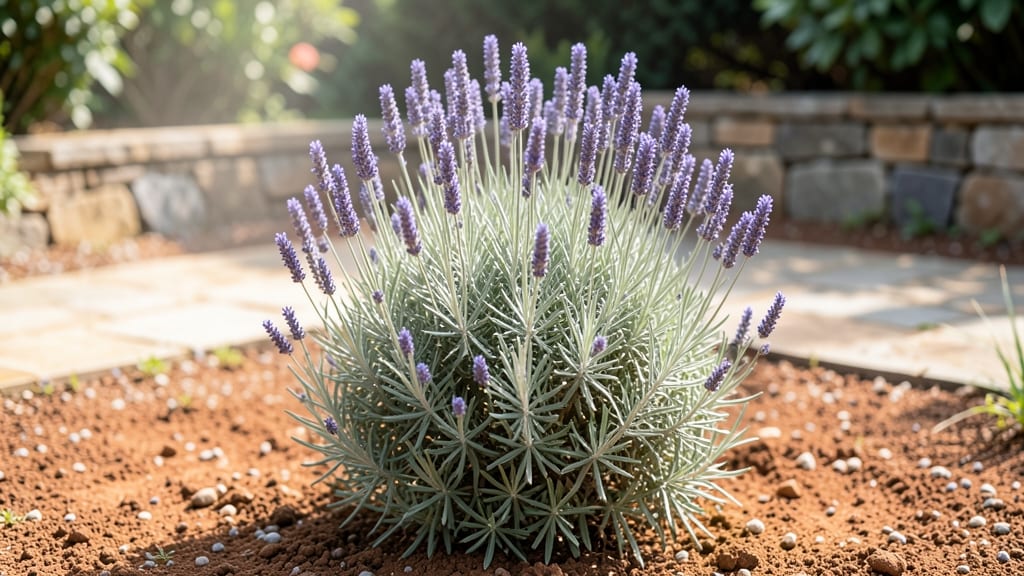
Creating a tree form lavender that stretches six feet tall with a lush, fragrant canopy is easier than you think—it just takes the right pruning rhythm. 🌿 I’ve turned my Hidcote Giant into a dramatic, woody centerpiece by pruning it after flowering, not before, and the difference in height and structure is night-and-day.
Most people trim lavender too aggressively, which stunts their growth, but this method unlocks that dramatic vertical shape while keeping it healthy.
The secret lies in two simple cuts per year: a light shape-up in late spring to open the center, and a harder prune in early fall to encourage new growth. You’ll end up with a sturdy trunk and a rounded top that smells like Provence on a sunny afternoon.
The key is patience—tree form lavender doesn’t happen overnight, but within 2-3 years, you’ll have a striking focal point that outperforms any shrub form.
This method also means fewer pests and diseases, since the open center allows air to circulate. No more powdery mildew or woolly aphids hiding in dense foliage—just strong, fragrant stems that thrive. By winter, your lavender will look like a little evergreen tree, ready to anchor your garden year-round.
Works for Hidcote Giant, Munstead, or even French lavender—just adjust the pruning timing to your local frost dates. Here’s how to get started without killing your plant in the process.
📚 In This Guide
- What you need
- Instructions
- Tips and common mistakes
- Wrapping up and next steps
What you need
- ● Lavender plants: Mature, healthy Lavandula varieties (e.g., Lavandula angustifolia or Lavandula x intermedia) with sturdy stems (3+ years old for best results). Quantity: 1–3 plants per tree form, depending on desired size.
- ● Pruning shears: Sharp, bypass-style shears (avoid anvil shears—they crush stems). Specs: 5–7 inch blades for precision cuts.
- ● Hand pruners: For smaller branches (1/4–3/8 inch diameter). Specs: Ergonomic grip for comfort during long sessions.
- ● Gloves: Heavy-duty, gardening gloves (cut-resistant for thorny lavender varieties).
- ● Disinfectant: 70% isopropyl alcohol or rubbing alcohol to sterilize tools between cuts (prevents disease spread).
- ○ Pruning sealant (optional but recommended): Tree wound paint or pruning wax (for cuts larger than 1/2 inch to protect from pests).
- ● Support stake or trellis: Bamboo stakes or a metal trellis (4–6 feet tall) to guide vertical growth.
- ● Twine or plant ties: Soft jute twine or velcro plant straps to secure lavender to the stake without damaging stems.
- ● Watering can or hose: With a gentle spray nozzle for post-pruning hydration.
- ● Loppers: For thicker stems (up to 1.5 inches) if your lavender is overgrown.
- ● Hedge shears: For shaping the canopy once the tree form takes shape (use sparingly to avoid stressing the plant).
- ● Mulch: Organic mulch (e.g., straw or wood chips) to retain moisture and suppress weeds around the base.
- ● Pruning guide: A branching diagram or sketch of your desired tree form (helps visualize cuts!).
- ● Safety glasses: If working with dense or thorny lavender varieties.
Step-by-Step instructions for pruning lavender into tree form
Turn your lavender from a bushy shrub into a striking, fragrant tree with these precise pruning techniques.
✂️ Step 1: Identify and Select Your Central Leader
Start by choosing the strongest, straightest stem in your lavender plant—this will become the trunk of your tree. I like to pick the one with the most upward growth and fewest branches. Use sharp pruning shears to cut away any competing stems at their base, leaving only your chosen leader. This ensures all energy focuses on creating a single, strong vertical structure.
Make clean cuts just above a leaf node or bud to encourage new growth. If your lavender has multiple stems of similar strength, pick the one closest to the center of the plant for balance. You'll see new side branches emerge within weeks as the plant redirects its energy upward.
✂️ Step 2: Thin Out Lower Branches for a Clean Trunk
Remove all branches growing within the first 12-18 inches of the base to create a smooth, branch-free trunk. Work your way upward, cutting back any lateral branches that would disrupt the vertical line. I start at the bottom and work my way up—this prevents accidentally cutting too high on the stem.
For each branch you remove, cut back to the main stem at a 45-degree angle just above a leaf node. This angle helps water run off and prevents rot. Leave only the branches that will form your future canopy, about 2-3 feet above the ground. You'll notice the plant looking sparse at first, but this is essential for that elegant tree shape.
☀️ Step 3: Shape the Canopy with Strategic Pruning
Once your trunk is established, focus on shaping the upper canopy. Select 3-5 strong branches to form your tree's "branches," cutting back any weaker growth. Space these branches evenly around the stem, about 6-12 inches apart. I like to visualize a clock face—position branches at roughly 9 o'clock, 12 o'clock, 3 o'clock, and 6 o'clock positions for balance.
Trim these branches back by about one-third to encourage bushier growth. Cut just above a leaf node or bud, and avoid cutting into old wood—lavender doesn't regrow well from there. After pruning, your plant will look like it's been stripped, but within 4-6 weeks, you'll see fresh, vibrant growth filling out the canopy.
⏰ Step 4: Maintain Shape with Regular Trims
Prune your lavender tree again in early spring, just as new growth begins to appear. This is when the plant is most responsive to shaping. Remove any branches that grew too long or crowded the canopy, and trim back any new growth that disrupts the tree form. I like to step back and look at the plant from all angles—this helps me spot any asymmetries early.
Throughout the growing season, do light maintenance trims to keep the shape clean. Remove any dead or woody stems immediately, and pinch back new growth that starts to fill in the trunk area. This keeps your lavender looking like a true tree rather than reverting to a bush. With consistent care, your lavender tree will develop a dense, fragrant canopy while maintaining that elegant, sky-high structure.
Tips & tricks for perfect tree form lavender
Transforming lavender from bush to elegant tree takes patience—and these pro tips make all the difference.
Tool Prep: Always sterilize your pruning shears with rubbing alcohol before starting. Clean tools prevent disease transmission and make precise cuts. I also recommend using bypass pruners for clean cuts rather than anvil pruners, which can crush stems.
Step 1 Visual Guide: When selecting your central leader in Step 1, look for a stem that's at least 12 inches tall—this gives you enough height to work with. If all stems are similar, choose the one with the most upward growth angle. A quick trick: hold your pruners vertically next to the stem to visualize the final tree shape.
Canopy Spacing Secret: For Step 3, when positioning your 3-5 main branches, measure their distance from the trunk using your pruners as a guide. The 6-12 inch spacing should be measured from where the branch meets the trunk, not from the branch tip. This creates that perfect tiered look that defines a tree form.
Recovery Timing: After your initial pruning, lavender needs 4-6 weeks to recover before heavy blooming. During this time, water consistently but avoid overwatering—the plant should stay slightly dry between waterings. You'll know it's recovering when you see fresh, bright green growth emerging from the pruned areas.
Pro Tips for Tree Form Lavender
- Transforming lavender from bush to elegant tree takes patience—and these pro tips make all the difference.
- Tool Prep: Always sterilize your pruning shears with rubbing alcohol before starting.
- Step 1 Visual Guide: When selecting your central leader in Step 1, look for a stem that's at least 12 inches tall—this gives you enough height to work with.
Frequently asked questions
Got questions about growing and pruning tree form lavender? You’re not alone! Here are some of the most common queries—and their answers—to help you cultivate a lush, fragrant canopy with confidence.
How do I encourage my lavender to grow taller instead of bushy?
Prune strategically! Cut back one-third of the oldest stems in early spring (before new growth) to promote height. Avoid heavy trimming in fall—this can stunt vertical growth. For a tree-like shape, focus on shaping the center and leaving the top uncut. Patience is key—lavender grows slowly but steadily!
When is the best time to prune tree form lavender?
Timing matters! Prune once a year in early spring (just as new shoots emerge) to avoid encouraging tender growth before winter. Skip fall pruning—it can leave your plant vulnerable to frost damage. Light shaping after flowering (summer) is fine, but avoid heavy cuts. Think of it like a haircut: better to trim too little than too much!
Why is my lavender turning brown after pruning?
Brown tips or stems? Don’t panic! It’s often normal—especially if you pruned too late in the season. Over-pruning or cutting into woody stems can also cause browning. To fix it, reduce stress: water deeply (but don’t overdo it), mulch lightly, and avoid fertilizing right after pruning. If browning spreads, your lavender may need a rest—trim less aggressively next time.
Can I grow tree form lavender in containers?
Dwarf varieties like Lavandula angustifolia ‘Hidcote Giant’ thrive in containers. Use a pot at least 12–18 inches wide with drainage holes, and choose a well-draining soil mix. Prune lightly to maintain shape, and move containers to a sunny spot (6+ hours of light daily). Just remember: container-grown lavender may need more frequent watering than in-ground plants!
Will pruning my lavender affect its fragrance?
Not at all! In fact, pruning improves fragrance by encouraging denser, healthier growth. Focus on removing old, woody stems (they produce less oil) and shaping for airflow—this keeps your lavender lush and aromatic. Pro tip: Harvest stems for bouquets after flowering to boost scent in your home!
Wrapping up and next steps
Transforming your lavender into a stunning tree form isn’t just about skill—it’s about patience, observation, and love for nature’s beauty. 🌿 With the right pruning techniques, you’ll create a fragrant, sky-high masterpiece that adds elegance and charm to your garden. Start small, stay consistent, and watch your lavender thrive!
Ready to take the next step? Grab your pruners and get to work! If you’re feeling inspired, share your progress with fellow gardeners—your tree form lavender could be the next viral garden trend!