
Pruning
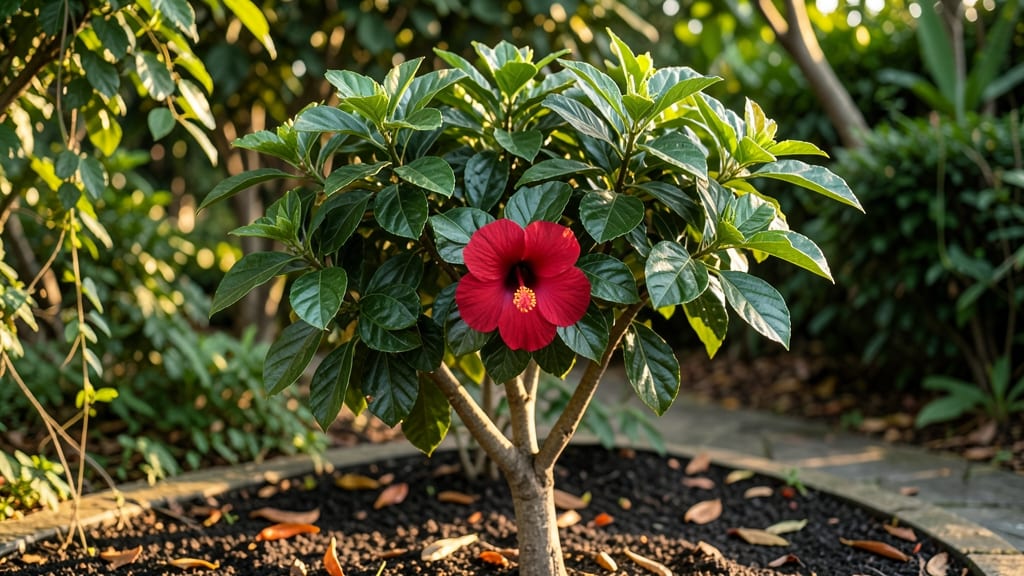
Growing a tree form hibiscus turns your yard into a living sculpture—one that blooms like crazy. 🌿 I’ve pruned mine into a graceful trunk with layered branches, and the difference in blooms is night and day compared to the wild, bushy versions.
The secret isn’t just cutting; it’s shaping the plant’s energy toward upward growth while keeping it sturdy enough to support those heavy flowers.
Start with a hardy variety like ‘Arnold Promise’ or ‘Dwarf Blue,’ both known for their strong structure. Plant in well-draining soil with full sun (6+ hours daily), and water deeply but infrequently—hibiscus hate soggy roots.
Fertilize lightly in spring with a balanced 10-10-10 mix, then switch to low-phosphorus once blooming starts to encourage more flowers instead of leaves.
Pruning is where the magic happens. In late winter, cut back one-third of last year’s growth to shape the trunk. Then, layer branches—keep the lowest ones horizontal for stability, and let the upper ones grow upward.
By summer, you’ll see a strong central leader with sturdy limbs, each ready to burst with blooms. The payoff? A 6-foot-tall showstopper that looks like a tropical masterpiece.
Watch for aphids or whiteflies—they love hibiscus—but a strong spray of water or neem oil keeps them away. In winter, mulch the base to protect roots, and trim lightly to remove dead wood.
With patience, your tree form hibiscus will become the centerpiece of your garden, blooming from spring to frost.
📚 In This Guide
- What you need
- Instructions
- Tips and common mistakes
- Wrapping up and next steps
What you need
- ● Pruning shears: Sharp, bypass-style shears (for clean cuts on stems up to ½ inch thick). Quantity: 1 pair.
- ● Loppers: Heavy-duty loppers (for thicker branches, ¾–1½ inches). Quantity: 1 pair.
- ○ Hand pruners: For precision cuts on small stems. Quantity: 1 pair (optional but handy!).
- ● Pruning saw: Bow saw or pruning saw for thick, woody branches (1–2 inches). Quantity: 1.
- ● Disinfectant: 70% isopropyl alcohol or rubbing alcohol (to sterilize tools between cuts). Quantity: Small bottle.
- ○ Pruning sealant: Tree wound paint (optional, for larger cuts to prevent disease). Quantity: Small jar.
- ● Gloves: Garden gloves (cut-resistant for safety). Quantity: 1 pair.
- ● Ladder or step stool: Sturdy, non-slip (if your hibiscus is taller than 6 feet). Quantity: 1.
- ● Healthy hibiscus plant: Mature tree form hibiscus (e.g., Hibiscus rosa-sinensis or Hibiscus syriacus) with a central leader (main trunk).
- ● Best time to prune: Late winter or early spring (before new growth) for shaping.
- ● Weather check: Prune on a dry, calm day (no rain forecast for 24 hours).
- ● Safety gear: Sunglasses and long sleeves (to protect from thorns and sap).
- ● Cleanup supplies: Trash bag or compost bin for pruned branches.
Step-by-step instructions for cultivating tree form hibiscus
Here's how to coax those lush, sculpted hibiscus trees into your landscape—layer by layer.
🌱 Step 1: Select and Prepare the Right Rootstock
Start with a healthy, established hibiscus plant—preferably a dwarf variety like 'Luna Red' or 'Peppermint' for better control. I always choose plants with multiple strong stems at the base, as these will form your tree's trunk layers. Remove all but the two or three thickest stems, cutting them back to about 6 inches above the soil line. This forces the remaining stems to thicken and creates a sturdy foundation.
Dig a hole twice as wide as the root ball but no deeper. Amend the native soil with 2-3 inches of compost mixed into the bottom third of the hole. This improves drainage and gives your hibiscus the nutrients it needs to establish strong roots. Water the plant thoroughly before transplanting to reduce shock.
🪴 Step 2: Train the First Trunk Layer
After transplanting, stake the plant with a 3-foot bamboo stake positioned on the side opposite the strongest stem. Use soft plant ties to secure the main stem to the stake, keeping it upright. This is where the magic happens: you'll want this stem to grow straight and thick for your first trunk layer. Prune any side branches that appear below 18 inches from the soil—these will compete with your desired trunk growth.
Fertilize with a balanced 10-10-10 formula at half strength every 4-6 weeks during the growing season. Tree form hibiscus need consistent feeding to develop strong wood. Watch for new growth at the top of your main stem—this is your signal that the plant is directing energy downward, thickening the trunk.
☀️ Step 3: Develop the Second Layer with Strategic Pruning
Once your first trunk reaches 3-4 feet, it's time to create the second layer. Select 3-4 strong side branches that are at least 12 inches apart vertically. These will become your second tier. Prune all other branches back to ½ inch above a leaf node to redirect energy into these chosen stems. I like to use sharp pruners dipped in rubbing alcohol to prevent disease transmission between cuts.
Shape these branches by gently bending them into a circular pattern around the trunk, securing them with plant ties if needed. This creates that classic layered look. Keep the plant well-watered—1-2 gallons per week—during this critical growth phase. You'll see new leaves emerge within 7-10 days, indicating successful pruning and energy redirection.
✂️ Step 4: Refine the Final Structure and Maintain Shape
After the second layer is established, focus on refining the overall shape. Remove any branches that grow inward or cross each other—they'll create weak points and block light. Thin out crowded foliage to improve air circulation, which prevents fungal diseases like powdery mildew. I always step back every few weeks to assess the tree's symmetry from all angles.
Once your hibiscus reaches its desired height (typically 6-8 feet), stop vertical growth by pruning the topmost stem back to just above a strong lateral branch. This encourages bushier growth in the upper layer. Mulch around the base with 2-3 inches of organic mulch to retain moisture and regulate soil temperature. Water deeply once a week during dry spells, focusing on the root zone.
🌿 Step 5: Year-Round Maintenance for Long-Term Elegance
In late winter or early spring, perform a light pruning to remove any dead, diseased, or crossing branches. This keeps your tree form hibiscus looking its best and prevents overcrowding. I also apply a slow-release fertilizer in early spring to support new growth. During the growing season, monitor for pests like spider mites—treat infestations immediately with neem oil to protect your plant's health.
Tree form hibiscus thrive in full sun (6-8 hours daily) and well-draining soil. If your climate experiences freezing temperatures, protect the plant by wrapping the trunk with burlap and covering it with a frost blanket. With consistent care, your sculpted hibiscus will reward you with vibrant blooms and a stunning architectural presence for years to come.
Tips & tricks for cultivating tree form hibiscus
Transforming a hibiscus into a stunning tree form takes patience and precision—here's how to elevate your results from good to showstopping.
Rootstock Selection: When choosing your starter plant, look for stems that are at least ½ inch thick at the base. Thinner stems won't develop the structural integrity needed for multiple trunk layers. I've learned the hard way—skipping this step leads to weak, floppy trunks that can't support the weight of upper branches. Also, avoid plants with any signs of yellowing leaves or soft stems, as these indicate underlying health issues that will compromise your tree form.
Pruning Technique: In Step 3, when you're selecting those 3-4 strong side branches for your second layer, choose ones that emerge at a 45-degree angle from the trunk. These branches will naturally grow outward, creating that perfect tiered look. Make your cuts just above a leaf node using clean, sharp pruners—this ensures faster healing and prevents disease. I always dip my pruners in rubbing alcohol between cuts to maintain sterility, which has dramatically reduced my plant's susceptibility to infections.
Watering Strategy: The 1-2 gallons per week recommendation is perfect for most climates, but adjust based on your soil type and rainfall. Sandy soils dry out faster and may need daily watering during hot spells, while clay soils can hold moisture longer. A simple test: stick your finger 2 inches into the soil—if it's dry, it's time to water. Overwatering is a common mistake that leads to root rot, so always ensure proper drainage by amending your soil with compost as specified in Step 1.
Seasonal Adjustments: During winter months in colder climates, reduce watering to once every 10-14 days unless you're experiencing freezing temperatures. The plant's growth slows dramatically in winter, so it requires less moisture. In spring, as new growth begins, gradually increase watering back to the 1-2 gallons per week schedule. This gradual adjustment helps prevent shock and encourages steady, healthy growth throughout the year.
Pro Tips for Tree Form Hibiscus
- Transforming a hibiscus into a stunning tree form takes patience and precision—here's how to elevate your results from good to showstopping.
- Rootstock Selection: When choosing your starter plant, look for stems that are at least ½ inch thick at the base.
- Pruning Technique: In Step 3, when you're selecting those 3-4 strong side branches for your second layer, choose ones that emerge at a 45-degree angle from the trunk.
Frequently asked questions
Got questions about cultivating tree form hibiscus? You’re not alone! Here are answers to the most common queries—from pruning puzzles to growth quirks—to keep your hibiscus thriving in its sculpted glory.
How often should I prune a tree form hibiscus to maintain its shape?
Prune your tree form hibiscus twice a year: once in late winter/early spring (to shape and encourage new growth) and again in summer (to control size and remove spent blooms). Light trims between seasons keep it tidy without stressing the plant. Pro tip: Never prune more than 1/3 of the plant at once!
When is the best time to start training a young hibiscus into a tree form?
Begin training as soon as you bring it home—ideally in spring or early summer. Young hibiscus are flexible and respond well to shaping. Use soft ties or pruning to guide the main trunk upward and encourage lateral branches. Patience is key; it may take 1–2 years to achieve a polished look.
Can I grow a tree form hibiscus from a cutting, or do I need to buy a grafted plant?
Yes! While grafted tree form hibiscus (like ‘Arnold Promise’) are pre-shaped, you can propagate your own from healthy cuttings. Dip a 4–6 inch stem in rooting hormone, plant in moist perlite, and keep humid. Roots form in 4–8 weeks. Just know: homegrown versions may take longer to develop the classic tree structure.
Why are my hibiscus leaves yellowing or dropping, even after pruning?
Yellow leaves often signal overwatering, root rot, or nutrient deficiencies. Check soil moisture—hibiscus hate soggy roots. Also, ensure they get 6+ hours of sunlight daily and fertilize monthly in growing seasons. If pests (like spider mites) are to blame, treat with neem oil or insecticidal soap.
Do tree form hibiscus survive winter, or should I bring them indoors?
Most tree form hibiscus (hardy to USDA Zone 7–10) thrive outdoors year-round in mild climates. In colder zones, mulch heavily and wrap the trunk for protection. For potted plants, move them to a bright, cool indoor spot (50–60°F) and reduce watering. Resume outdoor care in spring after frost risk passes.
How can I encourage more blooms on my tree form hibiscus?
Blooms love sun + food! Place your hibiscus in full sun**, fertilize monthly with a balanced bloom booster (like 20-20-20), and deadhead spent flowers regularly. Prune lightly after blooming to redirect energy. Bonus: A light pinch of the tips of new growth can spur bushier, flower-heavy branches!
Wrapping up and next steps
Transforming your tree form hibiscus into a stunning, sculpted masterpiece is entirely within reach—with the right tools, patience, and a little creativity! 🌿 By mastering the three-layer pruning technique, you’ll unlock its full potential, ensuring lush blooms and a graceful, tree-like silhouette.
Whether you’re a seasoned gardener or just starting out, every trim brings you closer to that showstopping focal point in your garden.
Ready to take the next step? Grab your pruners, sketch your vision, and start shaping! 🌸 For extra inspiration, explore hibiscus care calendars or join gardening forums to share your progress. Your future tree form hibiscus awaits—let’s make it breathtaking!