
Landscaping
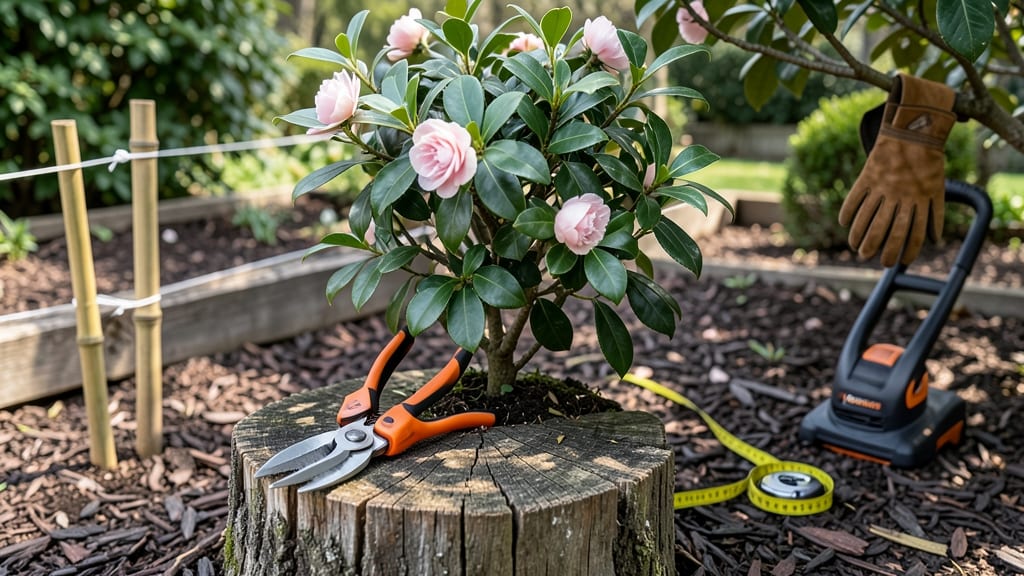
Tree barrier landscaping can block nosy neighbors in three years instead of a decade. 🌳 I spent years watching slow-growing hedges struggle against weeds and deer—until I discovered how layered tree barriers outpace them while looking stunning. The secret lies in selecting the right species mix for your climate and sunlight. You’ll need 5-10 trees per 10-foot section, spaced 6-10 feet apart for airflow and sunlight. Fast growers like Leyland cypress or arborvitae form the backbone, while flowering trees add seasonal interest. Soil prep is key: loosen the top 12 inches, mix in compost, and mulch heavily to retain moisture. By year three, you’ll have a lush, living wall that filters wind, muffles traffic noise, and supports local wildlife. The best part? No more trimming every few weeks—these trees grow tall and stay dense with minimal effort. Works for urban backyards, rural property lines, or even windbreaks. Here’s how to design yours for maximum impact and longevity.
📚 In This Guide
- What you need
- Instructions
- Tips and common mistakes
- Wrapping up and next steps
What you need
- ● Fast-growing tree saplings (3–6 ft tall): 10–20 plants per 10 ft of barrier (spacing: 3–4 ft apart)
- ● Top picks: Leyland cypress, Thuja Green Giant, or Bamboo (clumping for containment)
- ● Soil amendments: 50 lbs compost or peat moss per 10 ft of barrier
- ● 10 lbs slow-release fertilizer (10-10-10 or tree-specific blend)
- ● Mulch: 2–3 bags (2–3 cu ft each) of wood chips or pine straw
- ● Digging: Shovel, mattock, or post-hole digger (for larger roots)
- ● Planting: Garden trowel, tree spade, or auger (for precise holes)
- ● Measuring: Measuring tape, stakes, and string line (for straight barriers)
- ● Watering: Hose with nozzle or soaker hose (50+ ft length)
- ● Safety: Work gloves, knee pads, and safety glasses
- ● Root barriers: HDPE plastic sheets (for invasive roots like bamboo)
- ● Erosion control: Landscape fabric or biodegradable netting
- ● Aesthetic upgrades: Decorative rocks or lighting stakes for nighttime drama
- ● Tech boost: Moisture meter or drip irrigation kit for low-maintenance watering
Step-by-Step guide to installing a fast-growing tree barrier
Here's how to create a lush, living privacy screen that outpaces hedges by leaps and bounds.
🌱 Step 1: Select and Prepare Your Fast-Growing Species
Choose trees known for rapid growth and dense foliage—think Leyland cypress, arborvitae, or emerald green Thuja. I always go for 3-5 foot tall nursery-grown plants because they establish faster than seedlings. These trees typically grow 3-5 feet per year, so you'll see a noticeable screen within just a few seasons.
Dig planting holes twice as wide as the root ball but only as deep—never deeper, or you'll bury the root flare and invite rot. Amend the native soil with compost mixed into the bottom of each hole to give roots a nutrient boost right away. This ensures strong initial growth and faster canopy development.
🪴 Step 2: Plant with Proper Spacing for Optimal Growth
Space your trees 4-6 feet apart for a dense barrier. Closer spacing creates a tighter screen faster, but too close and they'll compete for resources. I always plant in a staggered pattern—first row at the front, second row offset behind—so gaps are hidden as the trees fill in. This creates an instant visual barrier while allowing light to reach all plants.
Place each tree in its hole, then backfill with native soil mixed with mycorrhizal fungi (available at garden centers). Water immediately to settle the soil and eliminate air pockets. The goal is firm but not compacted soil—roots need to breathe but stay snug. Tap the base of each tree gently after watering to ensure good contact with the soil.
☀️ Step 3: Provide Initial Care for Rapid Establishment
Water deeply twice weekly for the first month to encourage deep root growth. You'll know you're doing it right when the soil stays moist 6 inches down. Mulch heavily with 3-4 inches of wood chips around each tree, keeping mulch 6 inches away from the trunk to prevent rot. This conserves moisture and regulates soil temperature, both critical for fast growth.
Fertilize lightly with a balanced 10-10-10 formula at planting time, then again in early spring. Too much fertilizer now can burn tender roots. I avoid high-nitrogen fertilizers—they promote leafy growth at the expense of root development, which is exactly what you don't want in a young barrier. Instead, focus on building strong structural roots first.
✂️ Step 4: Prune Strategically for Density and Shape
Wait until spring before pruning—never cut back new plantings in their first winter. When you do prune, remove only dead or crossing branches in the first year. The goal is to encourage upward growth and a full canopy. I like to shape trees lightly in their second year to establish good form before they get too large to handle easily.
Here's the thing—don't over-prune. These trees grow fast, but aggressive pruning slows them down. Instead, let them grow naturally for the first two years, then do light shaping to fill gaps. You'll see your barrier fill in beautifully within just a few seasons, with minimal effort after the initial planting.
⏰ Step 5: Maintain for Long-Term Growth and Health
After the first year, water once weekly during dry spells—you'll know it's time when the top 2 inches of soil feel dry. Deep watering encourages roots to grow downward rather than staying shallow. Fertilize annually in early spring with a slow-release fertilizer to maintain steady growth without the risk of overfeeding.
Monitor for pests like spider mites or bagworms, which can stress young trees. I treat only when necessary with horticultural oil or insecticidal soap—chemicals can harm beneficial insects and disrupt the natural balance. A healthy tree barrier should require minimal intervention once established, giving you years of low-maintenance privacy.
Tips & tricks for building a fast-growing privacy screen
Creating a living privacy screen that outpaces hedges requires a few key strategies to maximize growth and minimize common pitfalls.
Species Selection Matters: When choosing your fast-growing trees like Leyland cypress or emerald green Thuja, opt for 3-5 foot tall nursery-grown plants rather than smaller seedlings. These mature plants establish roots faster and start filling in your barrier immediately. I've seen barriers created with 3-foot plants reach full density in just two growing seasons, while seedlings can take twice as long to catch up. The key is looking for trees with well-developed root systems already.
Root Ball Preparation: In Step 1, when you're digging those planting holes, pay special attention to the root ball. The hole should be twice as wide as the root ball but only as deep—never deeper than the root flare. I've made the mistake of burying root flares too deep, which can cause rot and stunt growth. After planting, gently tap the base of each tree to eliminate air pockets while ensuring the soil stays firm but not compacted. This creates ideal conditions for rapid root establishment.
Watering Strategy: The twice weekly deep watering for the first month in Step 3 is non-negotiable for fast growth. Use a moisture meter to check that soil stays moist 6 inches down—this encourages deep root development. I recommend watering in the early morning to reduce evaporation and fungal growth. For larger barriers, consider installing a drip irrigation system to ensure consistent moisture without overwatering. This is where most people go wrong—they water lightly and frequently instead of deeply and infrequently.
Mulching Technique: Apply that 3-4 inches of wood chips mulch immediately after planting, keeping it 6 inches away from the trunk to prevent rot. I've found that using cypress mulch works particularly well as it resists decomposition longer. The mulch acts as a living blanket, regulating soil temperature and conserving moisture—both critical factors for rapid growth. Replenish mulch annually to maintain its protective layer as it breaks down over time.
Pro Tips for Tree Barrier Landscaping
- Creating a living privacy screen that outpaces hedges requires a few key strategies to maximize growth and minimize common pitfalls.
- Species Selection Matters: When choosing your fast-growing trees like Leyland cypress or emerald green Thuja, opt for 3-5 foot tall nursery-grown plants rather than smaller seedlings.
- Root Ball Preparation: In Step 1, when you're digging those planting holes, pay special attention to the root ball.
Frequently asked questions
Got questions about creating a tree barrier for privacy? You’re not alone! Here are some of the most common concerns—and their answers—to help you plan like a pro.
What’s the fastest-growing tree barrier option for quick privacy?
For rapid growth, opt for Leyland cypress, Thuja Green Giant, or bamboo (clumping types). These can grow 3–5 feet per year when planted correctly. Avoid slow growers like oaks or maples if speed is your priority!
How long does it take for a tree barrier to provide full privacy?
With fast-growing species, expect 2–3 years for a dense screen (6–8 feet tall). Slower trees may take 5–10 years. Plan ahead—layering smaller shrubs (like boxwoods) between trees can fill gaps faster.
Is a tree barrier more expensive than a hedge or fence?
Upfront costs vary, but tree barriers save money long-term. While fences cost $15–$50/ft installed, trees run $50–$200 each but offer decades of privacy with zero maintenance (beyond pruning). Mulch and soil prep add ~$1–$3/plant.
Can I use native plants for a tree barrier, or do I need non-native fast growers?
Native trees like Eastern red cedar, American holly, or serviceberry work well—just expect slower growth (1–2 ft/year). Non-natives (e.g., Leyland cypress) grow faster but may require pest monitoring. Balance speed and ecology!
What’s the best time of year to plant a tree barrier?
Plant in early spring or fall (4–6 weeks before frost) for ideal root establishment. Avoid summer heat or winter cold. Pro tip: Water deeply 2–3x/week for the first year to help roots spread quickly!
How do I prevent pests or diseases in my tree barrier?
Start with healthy, disease-resistant species (e.g., Thuja over Arborvitae). Space trees 3–6 feet apart for airflow, and mulch to deter weeds. Monitor for spider mites or fungal spots—treat early with neem oil or fungicide.
What if my tree barrier grows unevenly or gets too tall?
Prune 2–3 times/year (spring, summer, early fall) to shape and encourage bushiness. Use hand pruners for small branches and pole saws for tops. Avoid over-pruning—aim to remove no more than 25% of foliage per year.
Wrapping up and next steps
Tree barrier landscaping is your ultimate privacy solution—fast-growing, low-maintenance, and stunning! Unlike traditional hedges, these natural screens deliver 3x the speed while boosting curb appeal and even wildlife support. Whether you’re shielding your backyard or adding value to your home, the benefits are clear.
Ready to transform your space? Start by sketching your design, selecting the right fast-growing trees, and reaching out to a local landscaper or DIY-ing with confidence. Your peaceful, private retreat is just a few steps away! 🌳✨