
Trees
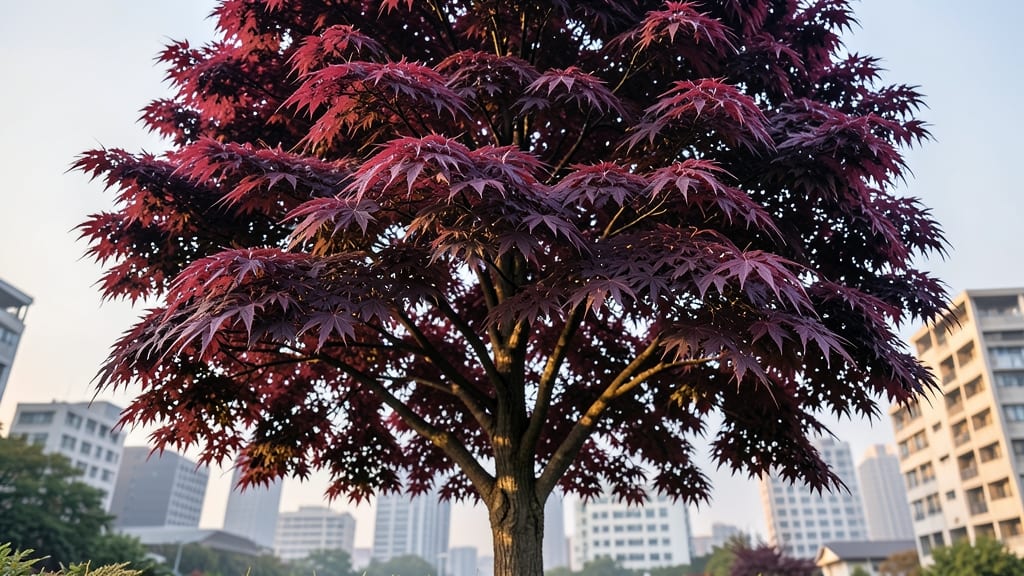
Transform your landscape with these 10 breathtaking purple trees that deliver year-round visual impact. From bold foliage to vibrant flowers and striking bark, these shade trees add drama while thriving in diverse climates.
Royal Purple Smoketree with Lavender Blossoms
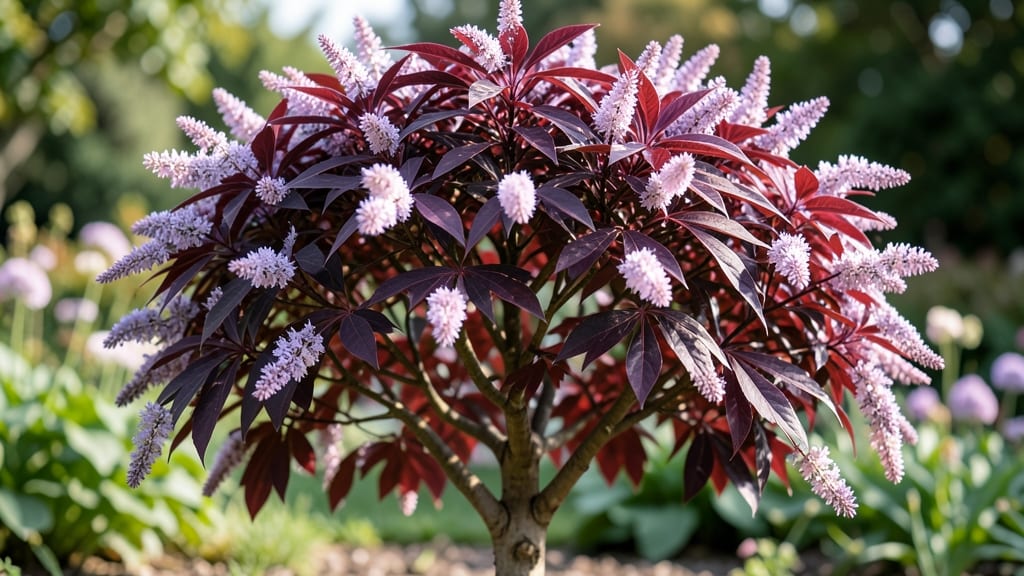
Looking for a low-maintenance tree that packs a visual punch without taking over your space? The Royal Purple Smoketree delivers year-round interest with its deep purple foliage and fragrant lavender blossoms that appear in spring, making it perfect for small gardens, containers, or urban patios.
This versatile tree thrives in full sun to partial shade and handles heat, drought, and poor soil with ease—ideal for city dwellers or those with limited garden space. Its compact size (10-15 feet tall) and airy, smokelike branches create a soft, romantic silhouette, while the fragrant flowers attract pollinators for months. Prune lightly in late winter to maintain shape, but otherwise, it requires almost no upkeep.
Best for gardeners who want instant drama with minimal effort, this tree is a standout choice for containers, small yards, or as a striking focal point near walkways. 🌿
Japanese Snowbell Tree for Four-Season Interest
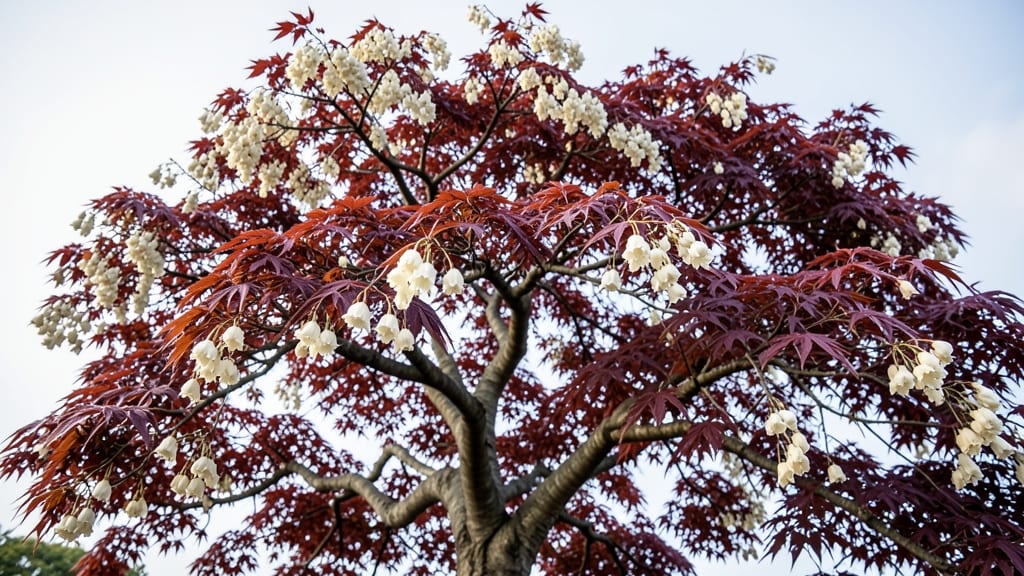
Looking for a tree that delivers seasonal drama without the fuss? The Japanese Snowbell Tree (Styrax japonicus) is your answer—it starts with delicate white bell-shaped flowers in spring, then transforms into a deep purple foliage masterpiece in fall, all while providing graceful shade.
This medium-sized tree (20-30 feet tall) thrives in partial shade to full sun and handles most soil types, making it versatile for formal gardens or woodland edges. Its fragrant spring blooms attract pollinators, while the autumn foliage creates a stunning contrast against evergreens or boxwood hedges. Prune lightly in late winter to maintain its elegant, rounded shape.
Perfect for gardeners who love low-maintenance elegance, this tree excels in USDA zones 5-8 and pairs beautifully with hostas, ferns, or azaleas. 🌻
Purple Leaf Plum Tree for Early Spring Color
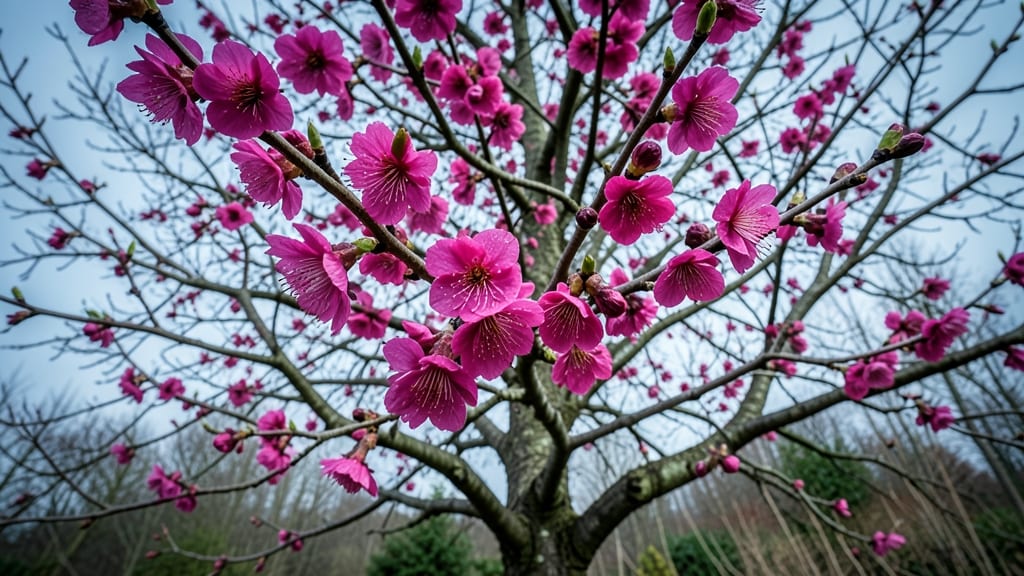
When winter finally loosens its grip and the first hints of spring arrive, the Purple Leaf Plum Tree bursts onto the scene like a magician's reveal—its vibrant magenta flowers appear almost overnight, often before leaves emerge. This early bloomer is nature's way of announcing that warmer days are here, making it a must-have for gardeners who crave instant seasonal drama.
Thriving in USDA zones 5-9, this small to medium-sized tree (15-25 feet tall) prefers full sun to partial shade and tolerates a range of soil types, though well-drained conditions prevent root rot. Prune immediately after flowering to maintain shape and encourage robust growth. The fragrant blossoms also attract pollinators, giving your garden a head start on spring activity.
Perfect for urban yards, cottage gardens, or as a standalone specimen, this tree offers low-maintenance beauty with high impact—ideal for those who want to make a statement without the upkeep of high-maintenance varieties. 🌷
Amur Maple with Deep Purple Fall Foliage
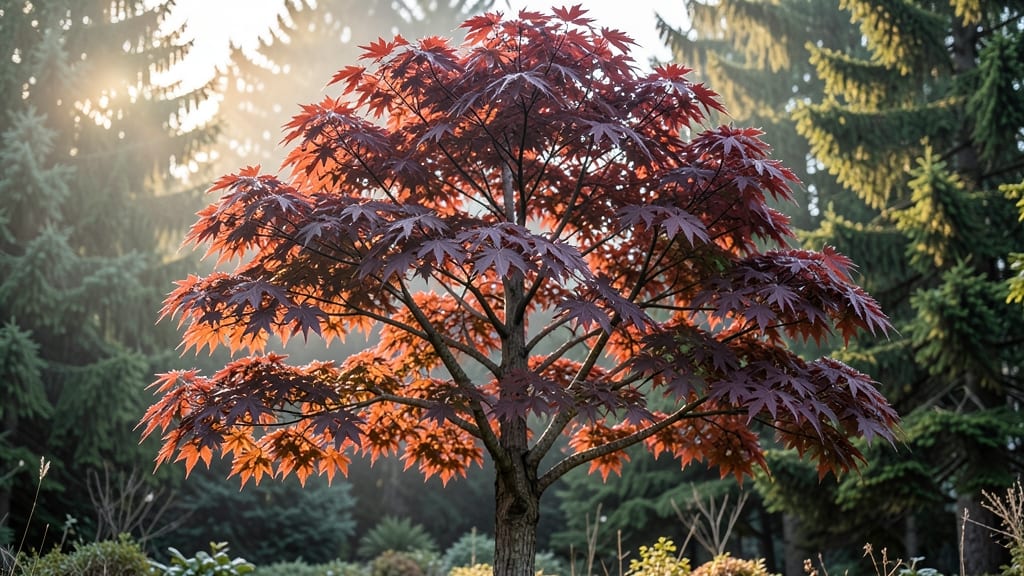
If you live in USDA zones 3-6 and crave a tree that outshines even late-season maples, the Amur Maple (Acer ginnala) is your answer. Unlike its finicky cousins, this cold-hardy beauty keeps its deep purple-red foliage well into winter, long after other trees have faded to brown.
Native to East Asia, the Amur Maple thrives in full sun to partial shade and tolerates poor, dry soil—making it ideal for northern climates where frost lingers. Its small, samara fruits add winter interest, and its compact size (20-30 feet tall) fits perfectly in small yards or as a specimen plant. Prune lightly in late winter to maintain its natural, multi-stemmed form.
Gardeners in cold climates will love its resilience—this tree doesn’t just survive winter, it stays stunning through the season. Perfect for those who want drama without the fuss of high-maintenance varieties. 🌟
Purple Smoke Bush for Drought-Tolerant Landscapes
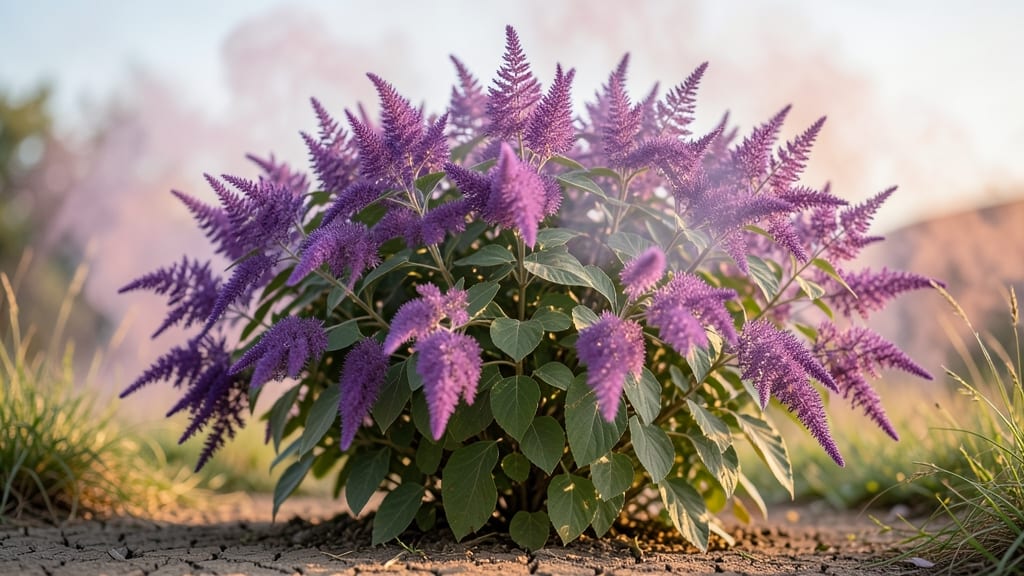
If you're craving a drought-tolerant star for your landscape that requires almost no fuss, the purple smoke bush (Cotinus cobaea) delivers year-round purple drama with minimal effort. This versatile shrub thrives on neglect, making it perfect for busy gardeners or water-conscious designs.
Native to dry regions of Asia, this plant boasts velvety purple foliage that intensifies in summer heat and small, smoky purple plumes that attract pollinators like bees and butterflies. It handles full sun to partial shade and tolerates poor, rocky soil—ideal for xeriscaping or rocky garden beds. Prune lightly in late winter to shape, but it's equally happy left to its natural form.
Perfect for pollinator gardens, urban landscapes, or as a striking hedge, the purple smoke bush offers four-season interest with minimal watering. It's the ultimate low-maintenance purple powerhouse for modern gardens. 🌟
Weeping Purple Beech Tree for Elegant Form
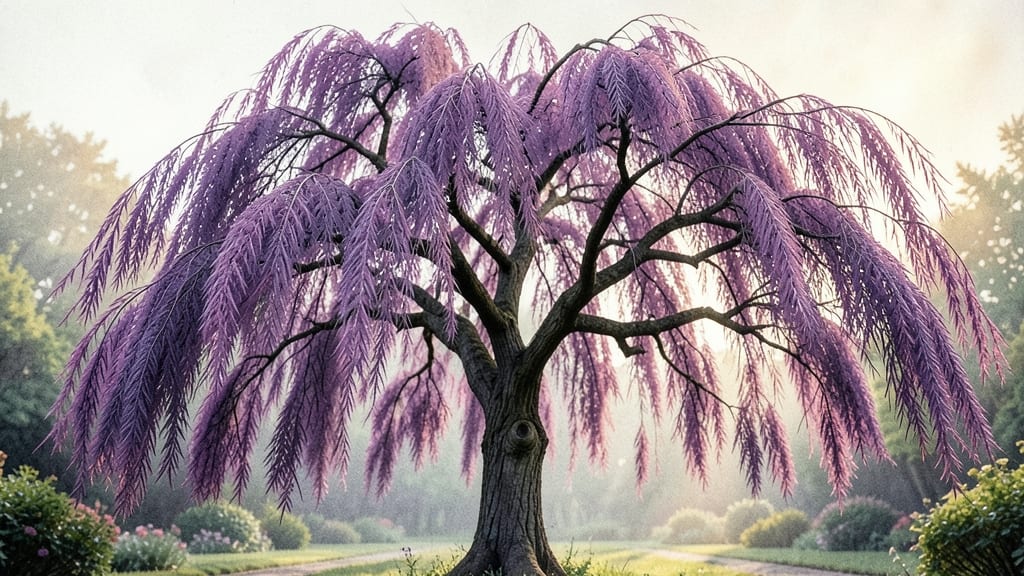
Craving a tree that feels like a living watercolor painting? The weeping purple beech (Fagus sylvatica 'Purpurea Pendula') delivers with its arching branches that cascade like liquid silk, creating a mesmerizing focal point in any garden. Unlike upright varieties, its pendulous growth habit makes it perfect for formal gardens or as a dramatic specimen where you want to draw the eye downward.
This cultivar thrives in partial shade to full sun, though it prefers morning sunlight to maintain its rich purple foliage—avoid harsh afternoon sun in hot climates to prevent leaf scorch. Plant it in well-draining, slightly acidic soil enriched with organic matter, and water deeply during the first year to establish strong roots. Prune in late winter to shape its graceful form, but avoid heavy cuts that disrupt its natural weeping silhouette.
Ideal for gardeners who love textural contrast, this tree pairs beautifully with moss-covered stones or ferns at its base. While it matures slowly (taking 10-15 years for full effect), its year-round interest makes it a worthwhile investment for those seeking elegance and drama. 🌻
Purple Leaf Sand Cherry for Fragrant Flowers
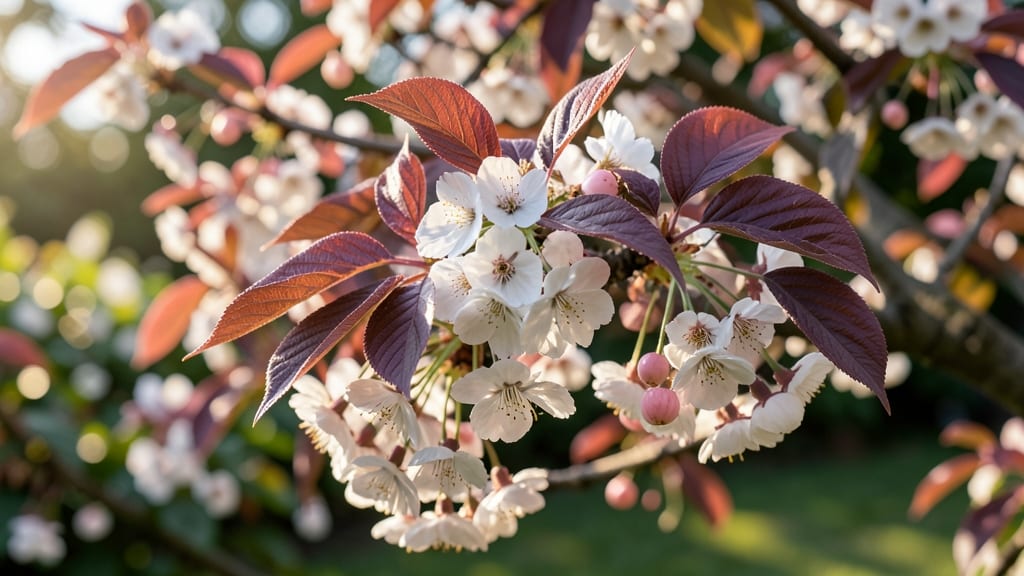
Looking for a tree that delivers both beauty and function? The Purple Leaf Sand Cherry combines fragrant white blooms with subtle purple undertones and edible cherries, making it a dual-purpose star for your landscape.
This small, deciduous tree thrives in full sun to partial shade, reaching heights of 15-20 feet with a rounded shape perfect for cottage gardens or rural orchards. The fragrant flowers appear in late spring, followed by small, tart cherries that birds and wildlife adore. Its purple-tinged foliage adds seasonal interest, while the tree's low-maintenance nature makes it ideal for busy gardeners.
Perfect for those who want a tree that feeds wildlife while enhancing their garden's aesthetic, the Purple Leaf Sand Cherry is a win-win for both form and function. 🌻
Purple Heart Crepe Myrtle for Southern Gardens
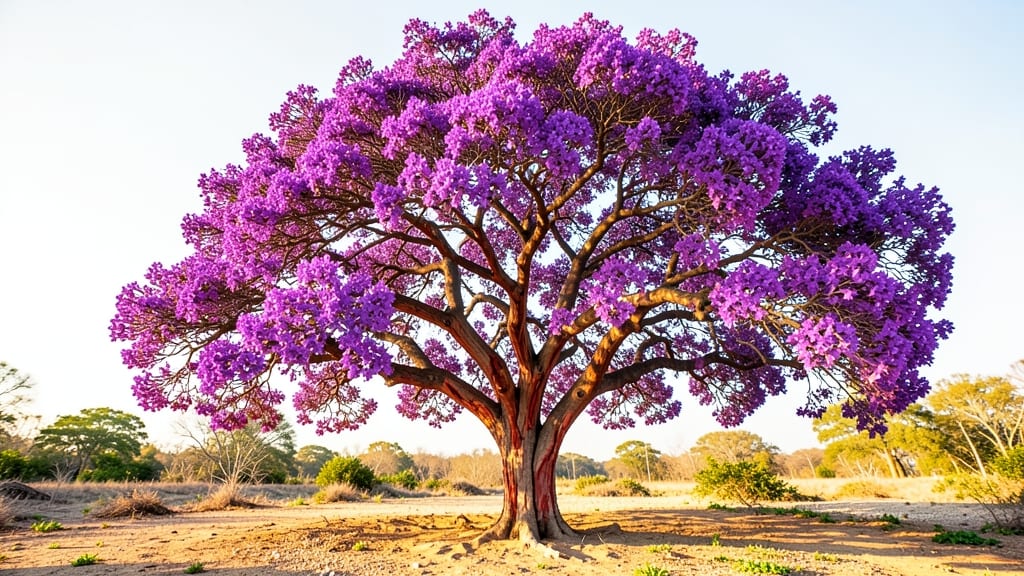
If you're craving a heat-loving tree that turns your summer garden into a vibrant purple dream, the Purple Heart Crepe Myrtle is your answer. This Southern favorite thrives in full sun and actually intensifies its color as temperatures rise, making it a standout in hot climates.
Plant it in well-drained soil and give it space to grow—mature trees reach 6-10 feet tall with an equal spread, creating a stunning vertical accent. The lavender-purple flowers in summer attract hummingbirds, while the deepening foliage ensures year-round interest. Prune lightly in late winter to shape the tree and remove dead wood.
This tree is perfect for gardeners in USDA zones 6-9 who want bold color with minimal fuss. It’s especially great for urban landscapes where space is limited but drama is desired. 🌻
Purple Willow Tree for Water Garden Features
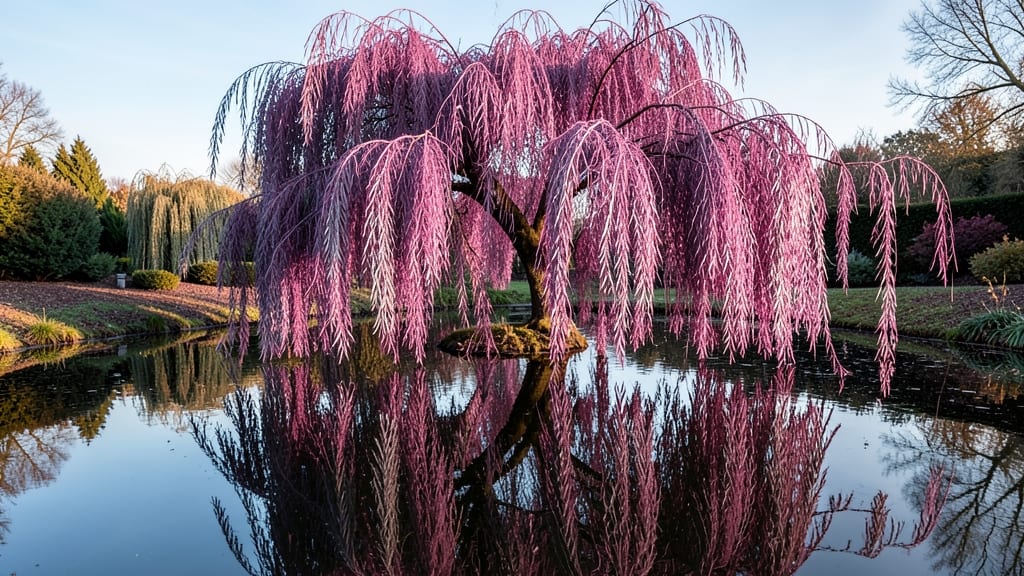
Looking to transform your water garden into a mirror-like masterpiece? The purple willow tree (Salix purpurea) brings a dreamy, ethereal quality with its weeping branches and vibrant purple stems, creating breathtaking reflections in ponds or streams.
This fast-growing tree thrives in moist, well-drained soil and tolerates partial shade, making it perfect for edges of water features. Its arching habit adds movement and texture, while the purple hues intensify during cooler months. For best results, plant it within 3-5 feet of water’s edge to ensure roots stay hydrated without becoming waterlogged.
Landscape designers love this tree for its year-round interest—even in winter, the purple stems provide striking contrast against snow. Ideal for small gardens or as a focal point in larger water features, it’s a low-maintenance choice that delivers high-impact visuals. ✨
Purple Leaf Japanese Zelkova for Urban Tolerance

If you're searching for a disease-resistant tree that thrives in urban pollution while delivering year-round purple foliage, the Purple Leaf Japanese Zelkova is your answer. Unlike many ornamental trees, this resilient species maintains its striking color even through summer heatwaves and city smog, making it perfect for small yards or street plantings.
This tree's compact growth habit (reaching 25-35 feet) and exfoliating bark add texture, while its drought tolerance reduces watering demands. The purple leaves emerge in spring and persist through fall, creating a bold contrast against gray urban backdrops. Prune in late winter to maintain shape and encourage dense foliage.
City gardeners and homeowners with limited space will appreciate how this tree outperforms less hardy varieties. Its ability to handle poor soil and compacted roots makes it ideal for paved areas where other trees would struggle. 🌟