
Flowers
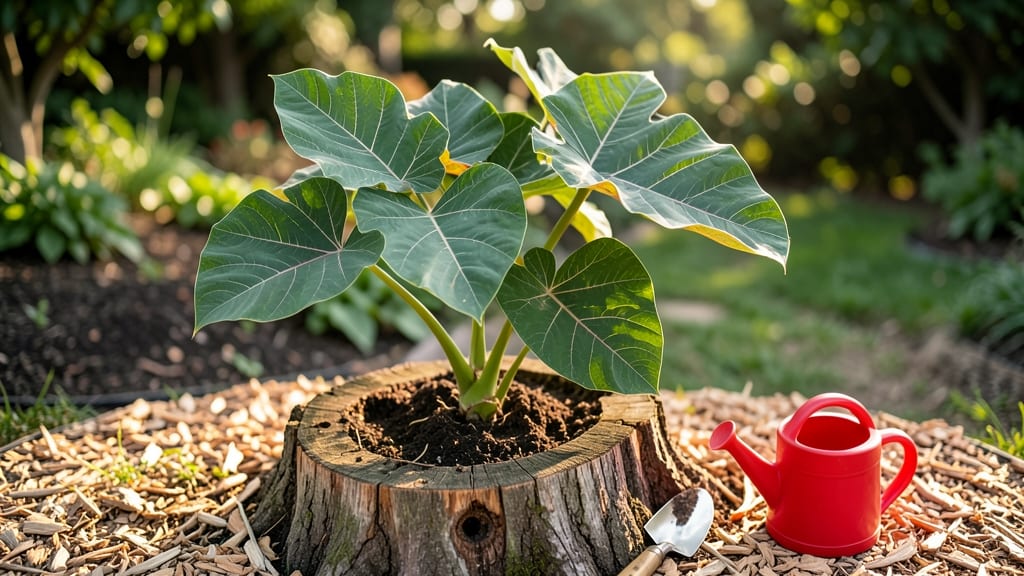
Your old tree stump isn’t just a stump—it’s a zero-waste canvas waiting for planting flowers in the stump. ✨ I turned mine into a vertical garden bursting with color, and the best part?
It hides the decay while giving pollinators a new home. The secret lies in prep: cleaning, drilling drainage, and picking the right plants that thrive in shallow soil.
Start with wildflowers, ferns, or shallow-rooted perennials like heuchera or sedum—they love the limited space. A 3-inch layer of well-draining soil mix (half potting soil, half perlite) keeps roots happy without waterlogging. For extra drama, mix in moss for texture and slow-release fertilizer to feed your plants all season.
By summer, your stump will look like a living sculpture, not a leftover. The flowers attract butterflies, the vertical space saves ground room, and you're upcycling something that would otherwise rot. Plus, no one will believe it's just a stump—until you tell them.
Works in any yard, from city patios to forest edges. The key is patience: let the roots establish before expecting blooms. Here's how to make it happen without a single wasteful step.
📚 In This Guide
- What you need
- Instructions
- Tips and common mistakes
- Wrapping up and next steps
What you need
- ● Tree stump: A freshly cut, hollowed-out stump (or one with a pre-made hole). Ensure it’s at least 6–12 inches deep to accommodate roots.
- ● Potting soil: 1–2 bags (1–2 cubic feet each) of high-quality, well-draining soil (mix in compost for nutrients).
- ● Slow-release fertilizer: 1 small packet (5–10 lbs) to nourish your flowers over time.
- ● Mulch: 1–2 bags (2–3 cubic feet) of bark mulch or coconut coir to retain moisture and suppress weeds.
- ○ Drainage layer (optional but recommended): Small gravel or pebbles (1–2 gallons) to prevent waterlogging.
- ● Perlite or vermiculite (1–2 cups) for extra aeration.
- ● Flowers: Choose stump-friendly plants like: Succulents (e.g., sedum, hens & chicks)
- ● Fern varieties (e.g., maidenhair fern)
- ● Small shrubs (e.g., creeping thyme, ajuga)
- ● Ornamental grasses (e.g., fountain grass)
- ● Basic tools: Garden trowel or small shovel
- ● Watering can or hose with a gentle spray nozzle
- ● Measuring tape (to check depth)
- ● Decorative elements: Moss sheets, painted stump accents, or solar-powered lights for a whimsical touch.
- ● Stump sealant: If your stump is not hollowed, use a non-toxic wood sealant to prevent rot.
- ● Erosion control fabric: A small piece to line the stump if soil erosion is a concern.
- ● Pebbles or decorative stones: For a polished, finished look around the base.
How to transform tree stumps into stunning vertical flower gardens
Here's my go-to method for turning old stumps into thriving vertical gardens—no waste, all beauty.
🪴 Step 1: Prepare the Stump Surface for Planting
Start by cleaning the stump thoroughly with a wire brush or sandpaper to remove loose bark and debris. This ensures your plants have direct contact with the wood, which will eventually break down and enrich the soil. I like to use a stiff brush to scrub away any remaining moss or fungal growth—this prevents disease from spreading to your new flowers.
Next, drill or carve small planting holes about 1-2 inches deep and 2-3 inches wide, spaced roughly 4-6 inches apart. The size matters: too shallow and roots won't anchor; too deep and you'll waste soil. Use a drill bit slightly larger than your intended hole diameter for cleaner edges. For larger stumps, I mark a grid pattern with a pencil first to keep holes evenly spaced.
🌱 Step 2: Create a Planting Medium That Retains Moisture
Fill each hole with a mix of one part peat moss and one part perlite to create a lightweight, moisture-retentive medium. The peat moss holds water while the perlite prevents compaction and keeps roots aerated. Press the mix gently into each hole—just enough to settle it without packing it down tightly.
Here's the thing—tree stumps dry out faster than garden beds because they're exposed on all sides. To combat this, I top-dress each planting hole with a thin layer of hydrogel crystals before adding the soil mix. These crystals absorb and slowly release water, giving your plants a steady moisture supply between waterings. Sprinkle them lightly over the peat-perlite mix before planting.
☀️ Step 3: Select and Plant Drought-Tolerant Flowers
Choose plants that thrive in shallow, well-draining conditions—succulents, sedums, and ornamental grasses work beautifully. I recommend starting with 3-4 plants per stump to avoid overcrowding, which can lead to competition for water and nutrients. For a dramatic look, alternate colors and textures: pair a deep purple sedum with a silvery-blue artemisia and a bright yellow coreopsis.
Gently place each plant into its hole, pressing the soil mix around the roots to secure them. Don't bury the plants too deeply—they should sit at the same depth they were in their nursery pots. Water lightly immediately after planting to help the soil mix settle and encourage root contact with the hydrogel. Watch for any plants that lean or shift; these need a bit more soil to stabilize them.
💧 Step 4: Water and Mulch for Long-Term Success
Water the stump thoroughly after planting, allowing the water to run through the holes and soak into the wood. You'll see the moisture bead up on the surface—this is your cue that the hydrogel is working. Water deeply every 2-3 days for the first week, then taper off to once a week once the plants are established. Overwatering here is the biggest mistake; the hydrogel will signal when it's time to water again by looking dry.
Apply a 1-inch layer of mulch around the base of the stump but not directly over the planting holes. I use shredded bark mulch because it breaks down slowly and adds organic matter to the soil as it decomposes. This layer helps retain moisture, suppress weeds, and keep the roots cool during hot afternoons. Check the mulch monthly and replenish it as it decomposes—this ensures your stump garden stays lush all season.
✂️ Step 5: Maintain and Enjoy Your Vertical Garden
Once your flowers are established, maintenance is minimal. Prune spent blooms regularly to encourage new growth and keep the display tidy. I deadhead my sedums and coreopsis every 2-3 weeks during the growing season to prevent seed formation, which can drain the plant's energy. Use clean, sharp pruners to avoid damaging the stems.
Fertilize lightly once a month during the growing season with a balanced, water-soluble fertilizer diluted to half-strength. The wood itself will slowly decompose, adding nutrients to the soil, but a little extra help ensures vibrant blooms. Keep an eye out for pests like aphids or spider mites—these love the tender new growth. A strong spray of water usually knocks them off, but for persistent infestations, use an insecticidal soap applied in the evening to avoid harming beneficial insects.
Tips & tricks for perfect vertical stump gardens
These pro strategies will help you create a thriving vertical garden that lasts all season—without the common pitfalls.
Stump Prep Secret: If your stump has deep cracks or crevices, don't skip filling them! Use a small amount of the peat-perlite mix to seal these areas before planting. This prevents water from pooling in hidden pockets, which can lead to rot. I've seen gardeners overlook this step, only to have their plants struggle with inconsistent moisture.
Planting Depth Matters: When placing your plants in the 1-2 inch deep holes, use your finger to create a small dimple at the bottom. This ensures the roots sit just above the wood surface, preventing them from touching the raw wood too soon. The hydrogel layer will help regulate moisture until the roots establish themselves properly.
Hydrogel Hack: For maximum water retention, soak your hydrogel crystals in water for 30 minutes before sprinkling them over the peat-perlite mix. This pre-hydration ensures they'll absorb even more moisture when you water after planting. I've found this makes a noticeable difference in how long the soil stays moist between waterings.
Mulch Placement: The 1-inch layer of mulch should be applied in a circular pattern around the base, but leave a 2-inch gap between the mulch and the planting holes. This prevents the mulch from blocking water from reaching the hydrogel crystals. Think of it like a donut—cover the ground but leave the center clear for direct access to moisture.
Pro Tips for Planting Flowers In Tree Stumps
- These pro strategies will help you create a thriving vertical garden that lasts all season—without the common pitfalls.
- Stump Prep Secret: If your stump has deep cracks or crevices, don't skip filling them!
- Planting Depth Matters: When placing your plants in the 1-2 inch deep holes, use your finger to create a small dimple at the bottom.
Frequently asked questions
Got questions about turning tree stumps into blooming vertical gardens?
You’re not alone! Here are answers to the most common queries to help you get started with confidence.
What’s the best time of year to plant flowers in a tree stump?
Plant in early spring (after the last frost) or early fall for the best results. These seasons give roots time to establish before extreme heat or cold. Avoid planting in winter—roots won’t thrive in frozen soil!
Do I need to remove the stump first, or can I plant directly into it?
Nope—no stump removal required! The hollow center of a rotting stump is perfect for planting. Just ensure the stump is partially decayed (not solid wood) so roots can anchor. If it’s too dry, soak it first to mimic natural moisture.
What if my stump is too small or already rotting completely?
No worries! Use a stump planter box (a container with drainage) if the stump is too small. For a fully rotted stump, try planting shallow-rooted flowers like impatiens, lobelia, or ferns in a surrounding raised bed instead.
How often should I water flowers planted in a stump?
Water daily for the first 2 weeks to help roots establish, then every 2–3 days once settled. Stumps dry out faster than ground soil—check moisture by sticking your finger 1 inch deep. Mulch the top to retain moisture!
Can I use this method for vegetables or herbs instead of flowers?
While flowers thrive best, you can try small herbs like thyme or chives in shallow stumps. Avoid heavy veggies (like tomatoes)—they need deeper soil. For herbs, mix potting soil with compost to boost nutrients.
What do I do if my flowers wilt or die after planting?
Wilting often means overwatering or poor drainage. Let the soil dry slightly between waterings and ensure the stump has drainage holes. If leaves yellow, it could be root rot—switch to a well-draining mix and reduce watering.
Wrapping up and next steps
Transforming old tree stumps into vibrant vertical gardens isn’t just creative—it’s a sustainable way to breathe new life into your space! 🌸 With the right flowers, soil, and a little patience, you’ll create a stunning, eco-friendly feature that thrives year after year.
Whether you’re a seasoned gardener or just starting out, this project proves that beauty and zero waste go hand in hand.
Ready to take the next step? Grab a stump, pick your favorite blooms, and let your green thumb shine! Your garden—and the planet—will thank you. 🌱