
Pruning
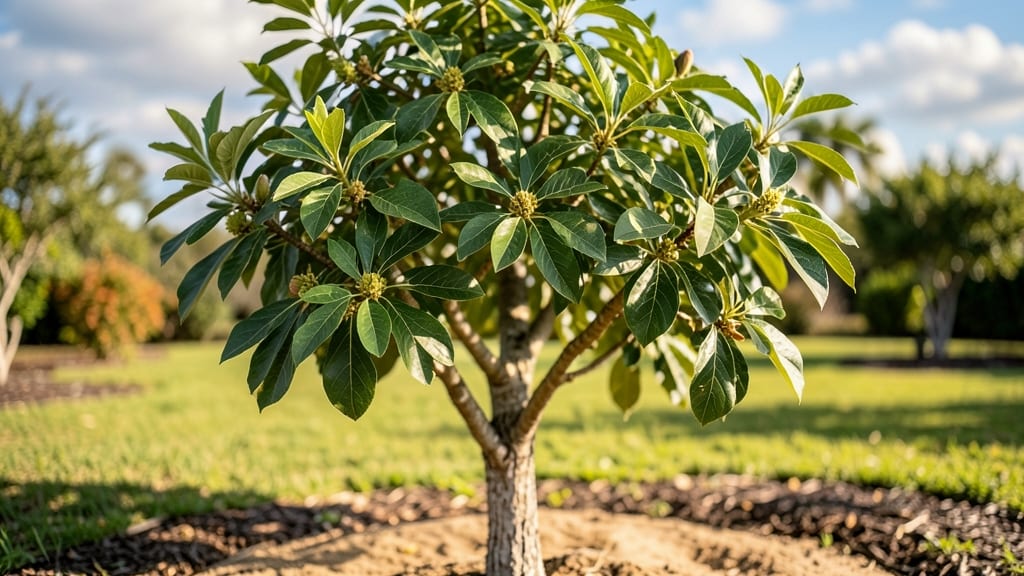
Growing pistachio trees in Florida demands patience and precision—these drought-loving trees thrive in our sunny climate but need careful dormant-season trimming to produce heavy yields. 🌿 I’ve learned the hard way that Florida’s humidity and occasional cold snaps can stress pistachios, but with the right cuts and timing, you’ll unlock a tree that bursts with nut-filled branches by harvest season.
The secret lies in late winter pruning (February-March) when the tree is dormant but before new growth starts. Focus on removing dead wood, crossing branches, and overcrowded limbs—this opens the canopy to sunlight and air circulation, which Florida’s heat and humidity crave.
A sharp pair of pruners and a 10% annual reduction in branches keeps the tree healthy without sacrificing future yields.
By summer, you’ll see vibrant green foliage and the first signs of flower buds forming—critical for next year’s harvest. The tree’s deep roots also mean less frequent watering once established, but watch for aphids and scale insects, which love Florida’s warm, humid conditions.
A neem oil spray in early spring keeps pests at bay without harming the tree.
Harvest time arrives in late fall when the shells split open naturally. Florida’s mild winters mean fewer frost-related issues, but protect young trees with frost cloth if temperatures dip below 28°F.
With consistent care, your pistachio tree will reward you with years of homegrown nuts—and the satisfaction of growing something so unusual in the Sunshine State.
📚 In This Guide
- What you need
- Instructions
- Tips and common mistakes
- Wrapping up and next steps
What you need
- ● Pruning shears: Bypass pruners (sharp, 6–8" blades) for small branches. Quantity: 1–2 pairs.
- ● Loppers: For thicker branches (1–2" diameter). Specs: Long handles (24–36") for reach.
- ○ Pruning saw: Curved-tooth saw for branches >2" thick. Optional: Folding saw for portability.
- ● Gloves: Heavy-duty, cut-resistant gloves (e.g., Mechanix or leather). Why? Pistachio branches have thorns!
- ● Disinfectant: 70% isopropyl alcohol or bleach solution (1 part bleach : 9 parts water) to sterilize tools between cuts.
- ○ Pruning sealant (optional): Tree wound sealant (e.g., Tanglefoot Tree Wound Pruning Seal) for large cuts >½".
- ● Ladder or step stool: Sturdy, extendable ladder (16–20 ft) if tree exceeds 10 ft. Safety first!
- ● Heavy-duty trash bags: 30–50 gallon bags for debris. Pro tip: Line bags with wet newspaper to weigh down branches.
- ● Timing: Trim during dormant season (late winter/early spring, Jan–Feb in Florida) when the tree is leaf-free.
- ● Weather: Choose a dry, overcast day (avoid rain for 24–48 hours post-pruning).
- ● Tree health check: Inspect for pests/diseases (e.g., aphids, botrytis blight). 💡 Treat issues before pruning!
- ● Safety gear: Safety glasses, long sleeves, and closed-toe shoes to protect from debris and thorns.
- ○ Map of the tree (optional): Sketch or take photos of the tree’s structure beforehand to plan cuts.
- ● Extension pole pruners (for high branches).
- ● Work gloves with grip pads for sweaty hands.
- ● Pruning rope (for lowering heavy branches).
- ● Notebook and pencil to log cuts/observations.
Step-by-step guide to dormant-season pistachio tree pruning in Florida
Florida’s warm winters create unique challenges for pistachio trees—here’s how to prune for maximum yield.
✂️ Step 1: Time Your Pruning for Dormancy
Prune your pistachio tree during late winter to early spring, specifically when buds swell but before new growth begins—this is typically February to March in Florida’s climate zones. You’ll know it’s the right time when you see tight, plump buds along the branches but no leaf emergence yet. Pruning at this stage encourages robust spring growth while maintaining the tree’s energy reserves.
Never prune after buds break or during summer—this stresses the tree and reduces next year’s crop. If you miss the window, wait until fall dormancy (November), though yields may suffer slightly. Use sterilized pruning shears to prevent disease spread between cuts.
🌿 Step 2: Remove Dead, Diseased, or Crossing Branches
Start by eliminating dead wood—these branches are brown, brittle, and won’t conduct water or nutrients. Cut back to the collateral bud (the smaller bud just below the main one) to encourage outward growth. Next, remove diseased branches (look for discolored bark, oozing sap, or fungal growth) by cutting 6 inches below the affected area to ensure the infection doesn’t spread.
Watch for crossing or rubbing branches—these compete for sunlight and damage each other over time. Remove one of the two branches at the branch collar (the swollen area where the branch meets the trunk). This step improves airflow and reduces pest habitats. Work methodically from the bottom of the tree upward to avoid missing any hidden issues.
☀️ Step 3: Thin the Canopy for Sunlight Penetration
Pistachio trees thrive with open, airy canopies—aim to remove 20-30% of the foliage to allow sunlight to reach the inner branches. Focus on overlapping branches and those growing straight upward (these create dense shade and reduce fruit production). Cut back to lateral buds to encourage outward growth rather than vertical shoots.
Use the "one-third rule" for thinning: never remove more than one-third of the canopy in a single season. You’ll see better fruit set in the following year when sunlight reaches the center. Avoid "heading back" (cutting into old wood)—this stresses the tree and can lead to dieback. Instead, remove entire branches at their origin when possible.
🪴 Step 4: Shape for Structural Integrity and Yield
Pistachio trees benefit from a modified central leader shape—this means keeping a dominant central trunk while developing 3-4 main scaffold branches spaced 12-18 inches apart. Prune to remove water sprouts (fast-growing, weak shoots) and suckers (shoots from the base). These compete with fruit-bearing branches for resources.
For young trees (under 5 years), focus on establishing the framework by pruning to encourage 3-4 strong branches. For mature trees, prioritize fruit-bearing wood—look for branches with last year’s fruit clusters and prune to open the canopy while maintaining their structure. Always make cuts at a 45-degree angle just outside the branch collar to promote rapid healing.
⏰ Step 5: Clean Up and Monitor for Recovery
After pruning, remove all debris from the ground beneath the tree to prevent fungal diseases like botryosphaeria canker, which thrives in moist, decaying wood. Disinfect your tools with 70% isopropyl alcohol between cuts to avoid cross-contamination. Water the tree deeply but infrequently for the first 2 weeks post-pruning to reduce stress.
Watch for new growth within 4-6 weeks—this signals the tree is recovering well. If you see excessive leaf drop or wilting, you may have over-pruned. Adjust future cuts to be more conservative. Florida’s humidity can also invite aphids or scale insects after pruning, so inspect the tree regularly and treat with neem oil if needed.
Tips & tricks for Florida pistachio tree pruning success
Between Florida's unique climate and pistachio trees' specific needs, a few targeted strategies make all the difference in achieving healthy, productive trees.
Timing is Everything: The February-March window for pruning isn't just about avoiding new growth—it's about catching that precise moment when buds are plump but haven't yet broken. I've seen trees stressed when pruned too early (before buds swell) or too late (after buds break). For Florida's warmer zones, check your tree daily during late February—you'll notice buds swelling when daytime temps consistently reach the mid-60s°F. This timing ensures the tree has enough energy reserves for spring's demands while still being dormant enough to handle pruning stress.
Sterilization Saves Trees: Florida's humidity creates perfect conditions for fungal diseases like botryosphaeria canker. I learned this the hard way after losing a young tree to infection spread through unsterilized tools. Always disinfect your pruning shears with 70% isopropyl alcohol between cuts—this simple step can prevent years of heartache. For large pruning sessions, I keep a small spray bottle of alcohol handy and wipe tools after every 3-4 cuts, especially when moving between healthy and diseased branches. The extra 10 minutes spent sterilizing pays off in disease-free trees.
Canopy Science: The 20-30% thinning target isn't arbitrary—it's based on how much sunlight pistachio trees actually need for optimal fruit production. I recommend marking branches before cutting: use a piece of colored tape to identify branches you've targeted for removal. This visual cue prevents over-thinning and helps maintain that critical one-third rule. For mature trees, focus on removing branches that grow straight up (these create dense shade) while preserving those with last year's fruit clusters—these are your future production branches. The goal is sunlight penetration to the center while maintaining structural integrity.
Recovery Monitoring: Those first 6 weeks after pruning are critical for assessing whether your cuts were appropriate. Watch for new growth appearing within 4-6 weeks—this is your tree's way of telling you it's recovering well. If you see excessive leaf drop or wilting, you've likely removed too much canopy. For Florida growers, I recommend keeping a simple pruning journal noting which branches were removed and when new growth appears. This helps you adjust future pruning strategies based on your tree's specific response to cuts.
Pro Tips for Pistachio Tree Florida
- Between Florida's unique climate and pistachio trees' specific needs, a few targeted strategies make all the difference in achieving healthy, productive trees.
- Timing is Everything: The February-March window for pruning isn't just about avoiding new growth—it's about catching that precise moment when buds are plump but haven't yet broken.
- Sterilization Saves Trees: Florida's humidity creates perfect conditions for fungal diseases like botryosphaeria canker.
Frequently asked questions
Got questions about growing pistachio trees in Florida? You’re not alone! Here are answers to the most common queries—plus some pro tips to keep your tree thriving.
Can pistachio trees actually grow in Florida’s climate?
While Florida’s warm climate is ideal for pistachio trees, they thrive best in USDA Zones 8-10 with well-drained soil and full sun. Coastal areas (like Palm Beach or Naples) offer the best conditions, but inland growers may need to protect trees from freezing temps (below 15°F) with frost cloth or irrigation.
How long does it take for a pistachio tree to bear fruit?
Patience is key! Pistachio trees typically take 4-7 years to produce nuts after planting, depending on variety and care. Dwarf varieties (like Kerman) may fruit sooner, while standard trees can take longer. Pruning in dormant season (winter) helps speed up maturity by improving airflow and sunlight exposure.
When is the best time to trim a pistachio tree in Florida?
Dormant-season pruning (late winter to early spring, before buds swell) is critical for Florida growers. Avoid trimming in summer—heat stress slows healing. Focus on removing dead wood, crossing branches, and shaping to prevent disease. Sanitize tools with rubbing alcohol to avoid spreading fungal infections.
Why aren’t my pistachio tree’s nuts opening (dehiscing) properly?
Poor dehiscence (nut opening) often stems from water stress, improper pollination, or uneven ripening. Florida’s humidity can delay drying, so harvest nuts when they’re 45-50% moisture (use a hydrometer). Ensure cross-pollination if planting multiple trees, and avoid overwatering—drip irrigation works best. Thin heavy crops to improve size and quality.
What’s a good alternative if pistachio trees are too high-maintenance?
If pistachios seem tricky, consider Florida-friendly alternatives like pecan, macadamia, or fig trees. Pecans (e.g., Schley) thrive in Florida’s heat and are drought-tolerant, while macadamias offer creamy nuts with less pruning. Figs (Celeste) produce year-round fruit and are low-maintenance—perfect for small spaces!
Wrapping up and next steps
Growing a pistachio tree in Florida is a rewarding journey that combines patience, precision, and a little Florida sunshine! 🌞 By mastering dormant-season trimming, you’ll unlock healthier growth, better yields, and a tree that thrives in your climate.
Remember: consistency is key—regular pruning keeps your tree balanced, productive, and pest-resistant.
Ready to take the next step? Start small: assess your tree’s needs, gather your tools, and schedule your first trim during dormancy. With each cut, you’re not just shaping branches—you’re investing in a bountiful harvest for years to come. Happy pruning! 🌱✂️