
Pruning
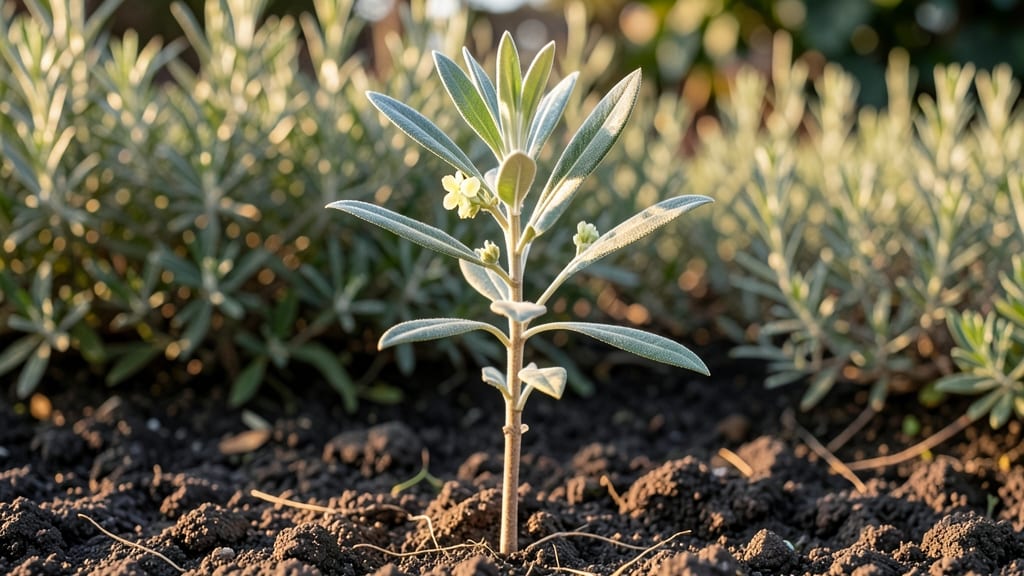
Growing an olive tree from seedling feels like nurturing a tiny Mediterranean dream. 🌱 I’ve watched my own olive seedlings go from fragile sprouts to sturdy 2-foot saplings in just 12 months—and the secret isn’t complicated.
It’s about mimicking the dry, sunny conditions of the Mediterranean while avoiding the rookie mistakes that kill seedlings before they even take root.
The key starts with soil: sandy, fast-draining mixes with a touch of perlite or pumice are non-negotiable. Olive seedlings hate soggy roots, so I use terracotta pots with drainage holes and water only when the top inch feels dry.
Too much love (water) is the #1 killer—these trees evolved in drought-prone hillsides, not rainforests. Sunlight is just as critical: 6+ hours of direct sun daily, whether indoors near a south-facing window or outdoors in full light.
By month 3, you’ll see the first real leaves (not the tiny, fuzzy seedling leaves)—that’s when pruning begins. Pinch back the top set of leaves to encourage bushier growth, and always use sterilized pruners to prevent disease.
The payoff? A tree that’s disease-resistant, drought-tolerant, and ready for transplanting in 1–2 years. Even in colder zones, with proper winter protection, it’ll thrive.
Indoor growers can extend the season with grow lights, while outdoor plants need winter mulch to shield roots from freezing temps. The biggest mistake? Impatience—olives grow slowly, but with the right care, your seedling will outpace store-bought saplings in no time. Let’s get those roots strong!
📚 In This Guide
- What you need
- Instructions
- Tips and common mistakes
- Wrapping up and next steps
What you need
- ● Olive seeds or cuttings: If using seeds: 2-3 fresh, plump olive pits (harvested from ripe olives, cleaned and dried). If using cuttings: 3-5 healthy, semi-hardwood olive branches (4-6 inches long, pencil-thick, taken in late winter/early spring).
- ● Growing containers: 3-5 small pots (4-6 inches in diameter) with drainage holes (plastic or terracotta).
- ● Well-draining potting mix: 1 part cactus/succulent mix + 1 part perlite or coarse sand (sterilized to prevent disease).
- ○ Rooting hormone (optional but recommended): 1 small bottle (e.g., Clonex or similar).
- ● Clear plastic bags or domes: 3-5 small bags (to create humidity for cuttings).
- ● Misting bottle: 1 (for gentle watering).
- ● Pruning shears or sharp knife: 1 (sterilized with rubbing alcohol for cuttings).
- ● Trowel or small shovel: 1 (for transplanting seedlings).
- ○ Spray bottle (for humidity control): 1 (optional but helpful).
- ● Grow lights or sunny windowsill: 1 (south-facing window or LED grow lights for 6+ hours/day).
- ● Patience and consistency! 🌟 Olive seedlings grow slowly—stay committed to care.
- ● 🌡️ Temperature control: Keep seedlings in 65–75°F (18–24°C) for optimal growth.
- ● ✨ Seed prep: Soak olive pits in water for 24–48 hours before planting to soften the hard shell.
- ● 🎯 Humidity hack: Place a tray of water near cuttings to boost moisture without overwatering.
Step-by-Step instructions for growing olive tree seedlings
Here's how to coax those stubborn olive pits into sturdy, fast-growing seedlings with minimal fuss.
🌱 Step 1: Prepare and Stratify the Olive Pits
Olive pits need a cold treatment to break dormancy—this mimics winter's natural signal. Fill a small container with damp sand or perlite, then bury the pits about 2 inches deep. Place the container in the refrigerator for 6-8 weeks at 35-45°F, checking monthly to ensure the medium stays barely moist.
Here's the thing—don't rush this step. The cold period softens the pit's hard shell, making germination far more reliable. If you skip stratification, you might wait years for sprouts. I like to label the container with the date so I don't forget when to check for sprouts.
💧 Step 2: Plant Stratified Pits in Germination Medium
After stratification, fill a small pot with a mix of 50% potting soil and 50% perlite for drainage. Plant each pit about 1 inch deep, spacing them 2 inches apart in the pot. Water gently until the soil is moist but not soggy—olive seedlings hate waterlogged roots.
Cover the pot with plastic wrap or a humidity dome to retain moisture. Place it in a warm, bright spot where temperatures stay between 65-75°F. You'll see tiny sprouts in 4-8 weeks, but don't be surprised if some pits never sprout—olive germination rates vary wildly.
☀️ Step 3: Provide Ideal Light and Humidity
Once sprouts emerge, remove the plastic cover immediately to prevent fungal growth. Move the seedlings to a location with bright, indirect light—direct sun can scorch tender new leaves. A south-facing window works well, but supplement with a grow light if natural light is weak.
Keep the soil consistently moist but never soggy. Stick your finger 1 inch deep—if it feels dry, water lightly. Overwatering at this stage causes root rot, which kills seedlings overnight. You'll notice healthy growth when new leaves appear every 2-3 weeks.
🪴 Step 4: Transplant and Encourage Strong Growth
When seedlings reach 4-6 inches tall with 3-4 true leaves, transplant them into individual 4-inch pots filled with a mix of potting soil and sand. Handle the roots gently—olive seedlings are delicate and transplant shock is common. Water thoroughly after transplanting to settle the soil.
Fertilize lightly with a diluted balanced liquid fertilizer (10-10-10) every 4-6 weeks during the growing season. Olive trees grow slowly, so resist the urge to over-fertilize. You'll know you're doing it right when the seedlings develop thick, sturdy stems and glossy leaves.
⏰ Step 5: Gradually Acclimate to Outdoor Conditions
After 6-8 weeks of indoor growth, start hardening off the seedlings by placing them outside in a sheltered spot for 1-2 hours daily. Gradually increase their outdoor time over 2-3 weeks, eventually leaving them out overnight. This prepares them for permanent outdoor planting.
Transplant outdoors after the last frost when soil temperatures stay above 50°F. Choose a sunny location with well-draining soil—olive trees despise soggy roots. Mulch around the base to retain moisture and regulate soil temperature. With patience, your seedlings will mature into sturdy trees in 3-5 years.
Tips & tricks for perfect olive tree seedlings
These insider secrets will help you bypass the guesswork and get those stubborn olive pits sprouting like clockwork.
Stratification Secret: The 6-8 week cold treatment in Step 1 is non-negotiable for breaking dormancy. I've found that using a small plastic container with drainage holes works best—place a saucer underneath to catch any excess moisture. The key is maintaining that 35-45°F range consistently; refrigerator temperature fluctuations can delay germination. Mark your calendar when you start this process so you don't lose track of the timeline.
Germination Medium Hack: When creating your 50% potting soil/50% perlite mix in Step 2, add a handful of coarse sand to improve drainage further. Olive seedlings are particularly sensitive to root rot, so this extra precaution prevents soggy soil conditions. I like to use a small hand trowel to create individual planting holes—this helps maintain the proper 1-inch depth without disturbing nearby pits.
Lighting Strategy: For Step 3's bright indirect light requirement, position your seedlings about 12-18 inches from a south-facing window. If natural light is insufficient, supplement with a full-spectrum grow light for 12-14 hours daily. The goal is to provide consistent light without causing leaf scorch—olive seedlings are particularly sensitive to temperature spikes from direct sunlight. You'll know you've got it right when you see new leaves emerging every 2-3 weeks.
Transplanting Timing: Wait until your seedlings reach exactly 4-6 inches with 3-4 true leaves before transplanting in Step 4. This size ensures they have enough energy reserves to handle the stress of repotting. When handling the delicate roots, use your fingers to gently loosen the soil rather than forcing them out—this minimizes transplant shock. The 4-inch pots should have drainage holes to prevent waterlogging, which is especially critical during the first few weeks after transplanting.
Pro Tips for Olive Tree Seedling
- These insider secrets will help you bypass the guesswork and get those stubborn olive pits sprouting like clockwork.
- Stratification Secret: The 6-8 week cold treatment in Step 1 is non-negotiable for breaking dormancy.
- Germination Medium Hack: When creating your 50% potting soil/50% perlite mix in Step 2, add a handful of coarse sand to improve drainage further.
Frequently asked questions
Got questions about nurturing your olive tree seedling into a thriving plant? You’re not alone! Here are answers to the most common concerns—from timing to troubleshooting—so you can grow with confidence.
How long does it take for an olive tree seedling to sprout?
Patience is key! Olive seeds can take anywhere from 30 to 90 days to sprout, depending on conditions like warmth (ideally 70–80°F) and moisture. Pre-soaking seeds for 24 hours in warm water can speed up germination. If nothing emerges after 3 months, the seed may not be viable—try again with fresh ones!
When is the best time to plant an olive tree seedling outdoors?
Wait until spring or early summer after the last frost, when soil temperatures are consistently above 60°F. Seedlings need warmth to establish roots—planting too early risks cold damage. In warmer climates (zones 8–11), late winter is fine. Always harden off seedlings for 1–2 weeks before transplanting to avoid shock.
Why is my olive tree seedling wilting or turning yellow?
Wilting or yellowing leaves usually signal overwatering, underwatering, or poor drainage. Olive seedlings thrive in well-draining soil—water only when the top inch is dry. Check for root rot if leaves yellow and soil feels soggy. Adjust care: reduce watering, improve drainage, or repot if needed. Act fast!
Can I grow an olive tree from a seed, or should I buy a grafted seedling?
Yes, you can grow from seed, but grafted seedlings (like those from nurseries) mature faster and produce fruit sooner. Seeds may take 5–10 years to bear fruit, while grafted trees can fruit in 3–5 years. If patience isn’t an issue, seeds are a rewarding (and budget-friendly!) project. For quicker results, opt for a grafted variety like Arbequina or Manzanillo.
How cold can an olive tree seedling tolerate?
Olive seedlings are tender to frost—most varieties survive down to 20–25°F briefly but may suffer damage below 15°F. Protect young plants with mulch, frost cloth, or a greenhouse in winter. Mature trees handle colder temps better, but seedlings need shelter until established. In harsh winters, grow them in containers and move indoors.
What’s the fastest way to root an olive tree cutting?
For speed, use rooting hormone and a sandy, well-draining mix. Dip a 4–6 inch cutting (just below a leaf node) in hormone, plant in perlite/vermiculite, and keep humidity high with a plastic bag. Mist daily and maintain 70°F+ temps. Roots typically form in 4–8 weeks. Avoid overwatering—root rot is a common killer!
Wrapping up and next steps
Growing an olive tree seedling from scratch is a rewarding journey that blends patience with the joy of nurturing life.
By following the right techniques—whether using seeds, cuttings, or grafting—you’ll set the stage for a thriving, resilient tree. Remember, consistency is key: proper soil, sunlight, and care will turn your tiny seedling into a majestic olive tree over time. 🌱
Now that you’re armed with the knowledge, why not take the first step today? Grab your supplies, pick your preferred method, and start your olive tree adventure. Your future harvest of olives—and the pride of growing them yourself—will make every effort worthwhile!