
Container Gardens
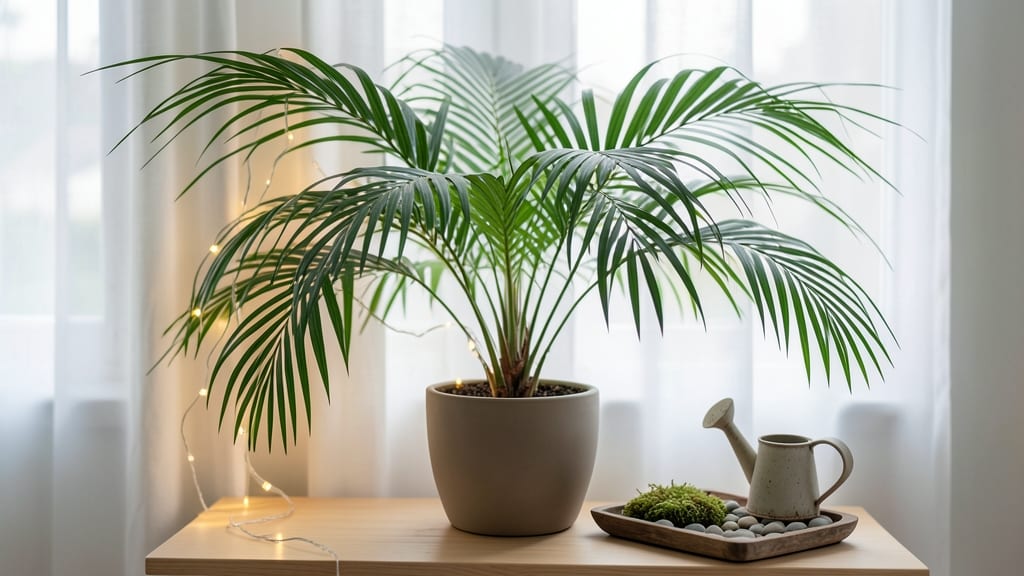
Transform your space into a sunlit jungle corner with an indoor palm tree glowing under soft lights. 🌿 The right lighting doesn’t just highlight your plant—it creates a cozy, tropical vibe that feels like a vacation every day.
My parlor palm now sits under a warm LED string light, casting golden shadows that make the fronds look like they’re catching the last rays of sunset.
Start with the right palm variety—Areca, Kentia, or Lady Palm—all thrive indoors with indirect light. Then choose lighting that matches your style: fairy lights for whimsy, sleek LED panels for modern spaces, or warm Edison bulbs for a rustic feel.
The key is positioning lights to avoid scorching leaves while enhancing the plant’s natural beauty.
You’ll end up with a dramatic focal point that works year-round, whether it’s a dinner party centerpiece or a serene bedroom corner. The glow softens edges, adds depth, and makes even small spaces feel grand.
Plus, the right lighting tricks can hide brown tips or uneven growth—no one will guess it’s not a lush outdoor oasis.
Works in apartments, living rooms, or even bathrooms—just adjust the light intensity based on your palm’s needs. For a foolproof setup, start with 12-15 inches of distance between lights and fronds and observe how your plant responds.
The glow won’t just illuminate your space—it’ll transform your palm into the heart of the room.
📚 In This Guide
- What you need
- Instructions
- Tips and common mistakes
- Wrapping up and next steps
What you need
- ● Indoor palm tree (choose a compact variety like Parlor Palm (Chamaedorea elegans) or Areca Palm (Dypsis lutescens) for easier care).
- ● 12-18-inch decorative planter (ceramic, fiberglass, or metal—pick something stylish to match your decor!).
- ● Well-draining potting mix (1-2 bags, ~5-10 lbs each; mix with perlite or orchid bark for aeration).
- ● LED string lights (warm white or color-changing, 5-10 feet long, weather-resistant, and battery-operated or USB-powered for safety).
- ● Lightweight fishing line or clear nylon thread (50-100 feet, thin enough to blend into foliage).
- ● Small binder clips or twist ties (5-10 pieces, to secure lights without damaging leaves).
- ● Scissors or pruning shears (for trimming lights/fishing line to size).
- ● Spray bottle with water (for misting leaves and adjusting fishing line).
- ○ Optional: LED tea lights or fairy lights (for hidden lighting under the planter or in the soil).
- ● Self-adhesive LED strips (for subtle backlighting inside the planter rim).
- ● Decorative moss or pebbles (to camouflage lights at the base of the tree).
- ● Remote-controlled smart plug (for easy on/off control of string lights).
- ● Timer switch (to automate lighting schedules for ambiance).
- ● Waterproof glue dots (to secure lights to the planter’s interior if desired).
Step-by-Step guide to creating an indoor palm tree with lights
Transform your space with a luminous tropical centerpiece that thrives year-round.
🌿 Step 1: Select the Right Palm Species and Container
Choose a compact palm variety like a parlor palm (Chamaedorea elegans) or bamboo palm (Chamaedorea seifrizii)—both adapt well to indoor lighting and smaller spaces. These species stay under 5 feet tall indoors, making them ideal for most homes. Select a ceramic or terracotta pot with drainage holes to prevent root rot, which is a common issue with indoor palms.
Ensure the container is at least 12 inches wide to accommodate the palm's root system and provide stability. If you're using a decorative outer pot, place it over a cache pot with drainage holes to protect your floors and maintain proper moisture levels. The key here is balance—your palm needs room to grow but shouldn't feel cramped in a tiny pot.
☀️ Step 2: Set Up Proper Lighting and Positioning
Place your palm near a south- or west-facing window where it can receive bright, indirect light for 6-8 hours daily. If natural light is limited, supplement with a full-spectrum LED grow light positioned 12-18 inches above the plant. Palms are sensitive to direct sunlight, which can scorch their fronds, so avoid placing them in harsh, direct light conditions.
Rotate the pot quarter-turn weekly to ensure even growth and prevent the palm from leaning toward the light source. You’ll notice this especially in the early stages—uneven light exposure causes fronds to grow at odd angles. If you see yellowing or browning tips, it’s a sign the light is either too intense or insufficient.
💧 Step 3: Water and Maintain Ideal Humidity
Water your palm when the top 1-2 inches of soil feel dry to the touch, typically every 7-10 days depending on your home’s humidity and temperature. Overwatering is the fastest way to kill an indoor palm, so always check moisture levels before watering. Use room-temperature water to avoid shocking the roots, and ensure excess water drains completely from the pot.
Palms thrive in 50-60% humidity, so mist the fronds 2-3 times weekly or place the pot on a pebble tray filled with water to increase humidity. If your home is particularly dry, consider using a small humidifier near the plant. You’ll know the humidity is right when the fronds stay lush and green without brown tips—a classic sign of dry air.
✂️ Step 4: Add Ambient Lighting for a Glowing Effect
To create the signature glowing effect, wrap battery-operated fairy lights or LED string lights around the pot’s stem or drape them gently among the fronds. Use warm white or soft yellow lights to enhance the tropical vibe without overpowering the natural greenery. Avoid placing lights too close to the fronds, as heat can damage delicate leaves over time.
For a more dramatic look, position the palm in a dark corner or near a window at night and turn on the lights when the room is dim. The contrast between the palm’s lush foliage and the soft glow creates a stunning focal point. Test the lighting setup for a few hours first—you’ll quickly see which arrangement highlights the palm’s natural beauty the most.
🪴 Step 5: Fertilize and Prune for Long-Term Health
Feed your palm every 4-6 weeks during the growing season (spring and summer) with a balanced liquid fertilizer diluted to half-strength. Over-fertilizing can burn the roots, so always follow the package instructions carefully. In fall and winter, reduce feeding to once every 8-10 weeks as the plant’s growth slows naturally.
Prune yellow or brown fronds by cutting them back to the base with clean, sharp pruning shears. This not only keeps the plant looking tidy but also encourages new growth. If you notice fronds growing too large for the space, trim them back by one-third to maintain a compact shape. Pruning also helps the palm redirect energy to healthier, more vibrant fronds.
Tips & tricks for perfect indoor palm tree lighting
Creating that magical glowing effect takes a little finesight—here's how to make your tropical centerpiece truly shine.
Light Placement Matters: When wrapping fairy lights around your palm's stem in Step 4, space them evenly along the height—about 2-3 inches apart. This creates a balanced glow without overwhelming the natural beauty of the fronds. For a more dramatic effect, weave some lights through the fronds themselves, but avoid creating tight clusters that could block light or trap heat against the leaves.
Species-Specific Lighting: Parlor palms (Chamaedorea elegans) handle ambient lighting better than bamboo palms (Chamaedorea seifrizii), which have slightly more delicate fronds. If you choose the bamboo variety in Step 1, opt for softer, warmer white lights rather than bright white to prevent stressing the plant. The key is to mimic natural moonlight—gentle enough to support growth but bright enough to create that enchanting glow.
Seasonal Light Adjustments: During winter months when natural light is limited, extend your grow light's daily exposure to 8-10 hours (while maintaining the 12-18 inch distance from Step 2). This compensates for shorter daylight hours and helps maintain your palm's vibrant green color. You'll notice the difference immediately—the fronds stay lush and upright rather than developing that leggy, stretched appearance that signals insufficient light.
Pro Tips for Indoor Palm Tree With Lights
- Creating that magical glowing effect takes a little finesight—here's how to make your tropical centerpiece truly shine.
- Light Placement Matters: When wrapping fairy lights around your palm's stem in Step 4, space them evenly along the height—about 2-3 inches apart.
- Species-Specific Lighting: Parlor palms (Chamaedorea elegans) handle ambient lighting better than bamboo palms (Chamaedorea seifrizii), which have slightly more delicate fronds.
Frequently asked questions
Got questions about creating your own glowing indoor palm tree? Here are some of the most common ones—plus straightforward answers to help you bring that tropical vibe to life!
How do I keep my indoor palm tree with lights from drying out?
Indoor palms with lights need consistent moisture, especially since grow lights can dry out soil faster. Water when the top 1–2 inches of soil feel dry, and use a moisture meter for accuracy. Grouping plants together (like in a humidity tray) also helps. Pro tip: Avoid overwatering—yellowing leaves often signal soggy roots!
What’s the best type of grow light for an indoor palm tree?
LED grow lights are ideal—they’re energy-efficient, emit low heat, and mimic sunlight well. Look for full-spectrum bulbs (red/blue/white) to support leafy growth. Place lights 12–18 inches above the plant for 12–16 hours daily. Skip incandescent bulbs; they generate too much heat and waste energy.
Can I use fairy lights instead of grow lights for my palm tree?
Fairy lights add ambiance but won’t replace grow lights for plant health. They emit minimal light for photosynthesis, so your palm may grow slowly or leggy. For a decorative glow, pair fairy lights with a small LED grow light (like a clip-on bulb) for balanced results. Think of it as a bonus lighting feature!
How long does it take to see growth with indoor palm lights?
With proper care, you’ll notice new fronds in 4–8 weeks. Growth speed depends on light quality, humidity, and soil health. If your palm stalls after 2 months, check for root-bound pots, pests, or insufficient light. Patience pays off—some tropical varieties (like Areca palms) grow faster than others!
Why are my palm’s leaves turning brown or crispy?
Brown edges usually mean low humidity or overwatering. Increase humidity with a pebble tray or humidifier, and adjust watering to every 7–10 days (let soil dry between waterings). If tips are crispy, it’s likely underwatering; if yellow, it’s overwatering. Trim damaged fronds to encourage new growth.
Wrapping up and next steps
Transforming your space with an indoor palm tree with lights isn’t just about aesthetics—it’s about creating a serene, glowing retreat that brightens every season.
Whether you’re drawn to the Areca’s cascading fronds or the Kentia’s elegant silhouette, these tropical beauties bring nature’s magic indoors with a touch of modern flair. 🌿✨
Ready to bring this vision to life? Start by choosing your palm, gathering supplies, and following the steps with confidence.
Before you know it, your space will be bathed in warm, tropical glow—perfect for unwinding after a long day. What’s your favorite palm variety? Share your picks in the comments and let the inspiration grow!