
Pruning
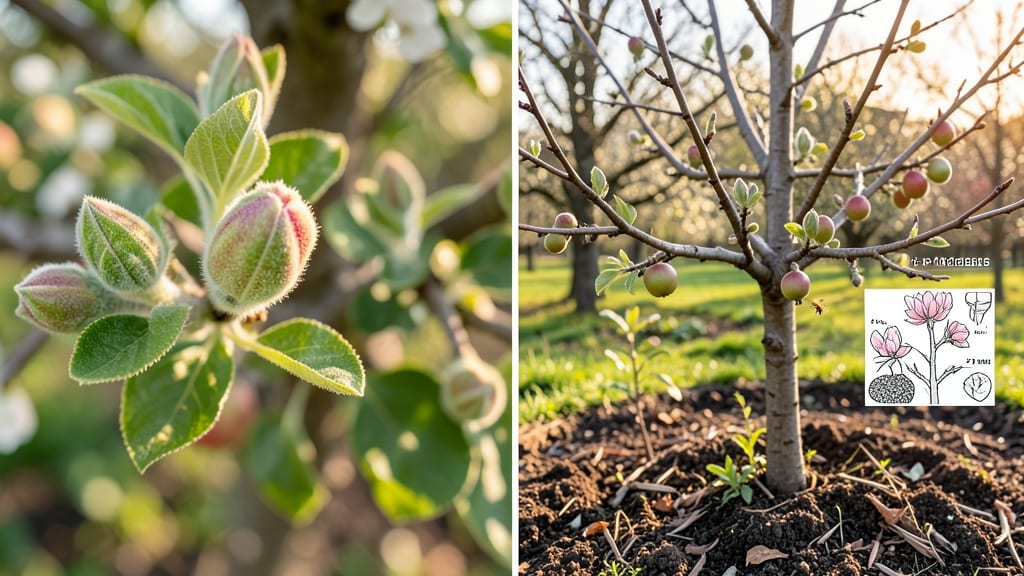
Telling if an apple tree 🍎 will fruit depends on spotting five key signs before spring blooms arrive, and most gardeners miss the early clues.
Picture this: You’ve planted your apple tree in full sun, given it the right soil, and even pruned it just so. But when summer rolls around, there’s nothing on the branches. Frustrating, right?
Here’s the good news: Your tree’s fruit-bearing potential is written in its branches, buds, and even its age. By learning to read these signals—like flower clusters, branch thickness, and leaf health—you can predict with surprising accuracy whether this year’s harvest will be bountiful.
In this guide, I’ll walk you through the five visual signs that reveal whether your tree is ready to fruit, plus how to troubleshoot common mistakes that keep apples from appearing. No more guesswork—just clear, actionable steps to set you up for success.
5 Visual signs your apple tree will fruit this season
Spring is the perfect time to assess whether your apple tree will fruit this year. While patience is key—especially for young trees—certain visual cues can give you confidence in a bountiful harvest.
From blossom clusters to branch development, these signs reveal whether your tree is primed for fruit production. Let’s break down the top indicators to watch for during the blooming season.
First, focus on the flower clusters that emerge in spring. A healthy, fruiting apple tree will produce dense blossoms in compact groups. These clusters, called spurs, are essential for fruit development. If you see 5-10 flowers per spur, your tree is likely on track.
Thin, sparse blooms may signal stress or poor health, which could limit fruit production. Pay close attention to these clusters—they’re your first clue!
Next, examine the branch structure of your apple tree. Fruit-bearing branches often have a slightly thicker diameter compared to non-fruiting ones. Look for horizontal branches with short, stubby shoots—these are prime spots for fruit buds.
Vertical branches, or "water sprouts," typically don’t bear fruit, so prioritize horizontal growth when assessing your tree’s potential.
Here’s what to look for in your apple tree’s blossoms and branches this spring:
Don’t overlook the leaves of your apple tree—they’re another key indicator. Healthy, dark green leaves with a slight waxy texture suggest your tree is thriving. Pale or yellowing leaves may indicate nutrient deficiencies or pests, which can reduce fruit production.
Additionally, check for leaf curl or spots, as these can signal disease and stress.
Timing matters too! If you notice buds swelling 2-3 weeks before blooming, your tree is likely in good health and ready to fruit. Early bud activity is a positive sign that the tree has stored enough energy over winter.
Conversely, if buds remain dormant until late spring, the tree may need extra care—like balanced fertilization or proper pruning—to encourage fruit production.
Finally, consider the age of your apple tree. Young trees (under 3-5 years old) may not fruit heavily, but they should show signs of blossom development. Mature trees, on the other hand, should have established fruit-bearing branches and a robust canopy.
If your tree is past its bearing age but still shows these visual signs, it’s a great indicator of a productive season ahead.
By keeping an eye out for these 5 visual signs, you’ll gain confidence in your apple tree’s fruit-bearing potential. Remember, even if your tree doesn’t produce heavily this year, these clues help you adjust care practices for a more fruitful harvest next season. Happy gardening!
How to check for hidden fruit-bearing clues in winter
Winter might seem like the worst time to judge your apple tree's fruit potential, but dormant branches hold critical clues about next year's harvest. By examining bud types, branch growth patterns, and the tree's age, you can predict whether it will bear fruit before spring blooms even appear.
Start by looking at the bud clusters along the branches. Fruit buds appear slightly larger and more rounded than leaf buds, which are more pointed. These clusters indicate where blossoms—and eventually fruit—will form in spring.
Young trees under 4 years old typically focus energy on growth rather than fruiting, so don’t expect heavy harvests. However, even young trees may produce a few apples if they’re healthy and well-cared-for.
Next, inspect the branch thickness and wood maturity. Mature branches with smooth bark and no visible damage are more likely to produce fruit. Thin, spindly branches often indicate poor health or insufficient nutrients.
🔍 Callout Warning: Don’t confuse leaf buds with fruit buds! Leaf buds are smaller and pointed, while fruit buds are plump and rounded. Mistaking one for the other could lead to false hopes about your tree’s fruiting potential. Always examine buds closely under natural light to avoid errors.
Pay attention to the tree’s overall health. Signs like peeling bark, cankers, or excessive dieback suggest stress, which can reduce fruiting. Healthy trees with vibrant bark and strong branches are far more likely to produce fruit.
Finally, consider the variety of your apple tree. Some varieties, like Honeycrisp or Fuji, are prolific fruiters once mature, while others may require cross-pollination. If you’re unsure, check your tree’s tags or consult local gardening resources for variety-specific insights.
By mastering these winter checks, you’ll gain confidence in your tree’s fruiting potential—and know exactly when to adjust care for a bountiful harvest next season. 🌱