
Trees
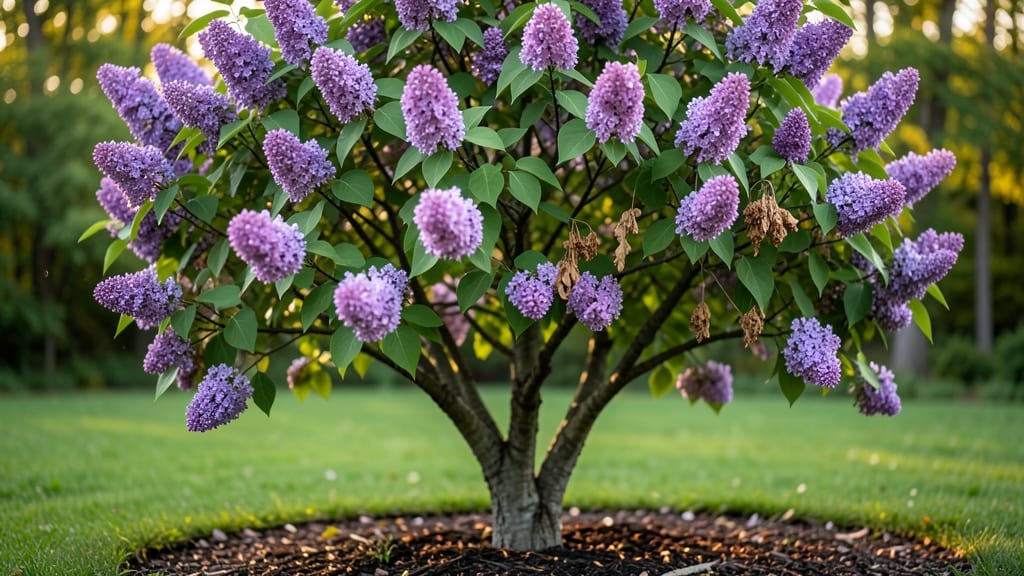
A lilac tree grows anywhere from 6 feet to towering 20 feet tall, depending on the variety and growing conditions—so knowing the right size for your space is the key to planting success.
Picture this: You’ve just planted your 🌸 lilac in early spring, dreaming of fragrant purple clouds come April, only to realize it’s outgrown your patio in just a few years.
That’s why understanding the mature height of lilacs—from dwarf varieties that stay under 10 feet to giants that reach 15 feet or more—isn’t just helpful, it’s essential.
Most common lilacs, like the classic Syringa vulgaris, hit 8–15 feet at maturity, while dwarf lilacs like Syringa meyeri stay compact at 6–10 feet. Whether you’re planning a small garden hedge or a bold landscape statement, the right variety makes all the difference.
In this guide, I’ll break down the height ranges of popular lilac types, share tips for managing growth through pruning, and help you pick the perfect variety for your backyard—so you can enjoy those intoxicating blooms without the overgrowth headaches.


Lilac tree height by variety: mature size ranges explained
Choosing the right lilac variety depends heavily on your space and vision—because a 15-foot specimen plant won’t fit in a small courtyard, while a 6-foot dwarf may feel lost in a sprawling backyard.
Lilacs (Syringa spp.) come in stunning diversity, from delicate bushy shrubs to towering tree-like forms. Understanding their mature heights helps you plan for optimal spacing, pruning needs, and landscape harmony.
Most lilacs belong to the Syringa genus, with Syringa vulgaris being the classic common lilac. However, varieties like Syringa meyeri (dwarf lilac) or Syringa oblata (Korean lilac) offer dramatically different sizes.
Even within the same species, cultivar differences can mean the difference between a 6-foot hedge and a 20-foot statement tree. Let’s break down the most popular types and their mature heights.
Pro Tip: Always check the cultivar name when shopping—names like "Little Lila" or "President Lincoln" hint at size differences before you plant!
If you’re working with a small garden, dwarf varieties like 'Little Lila' or 'Dwarf Korean Lilac' are game-changers. These stay under 5 feet tall and thrive in containers or as hedge plants.
Meanwhile, tree-like lilacs like 'President Lincoln' can reach 20 feet, making them perfect for backyard focal points or privacy screens.
For hedges or borders, varieties like 'Charles Joly' or 'Syringa meyeri' strike a balance—tall enough to create visual interest but manageable for regular pruning. Always plant them 6–10 feet apart to avoid overcrowding, which can lead to disease issues and reduced flowering.
One of my favorite landscape tricks is pairing a tall lilac (like 'President Lincoln') with a low-growing perennial (such as catmint or lavender) at its base. This creates layered visual appeal while keeping the space feeling balanced and intentional.
Remember: soil quality and sunlight exposure can influence final height. Lilacs planted in poor soil or partial shade may grow more slowly, while those in rich, well-draining soil with full sun can reach their maximum potential. Always amend your soil with compost before planting to encourage healthy growth.
Before you plant, sketch your landscape layout and measure the mature height of surrounding plants. A lilac that’s too close to a patio or driveway will require aggressive pruning—something I’ve learned the hard way!
With the right variety and spacing, your lilac will thrive for decades, becoming a fragrant centerpiece year after year.
🌸
How fast do lilac trees grow? Growth rate and pruning tips for height control
Lilac trees (Syringa spp.) are beloved for their fragrant blooms and lush foliage, but their growth speed can surprise new gardeners. On average, these shrubs grow 12–24 inches per year, reaching their mature height in about 5–10 years depending on the variety.
Understanding this growth rate helps you plan for their eventual size and manage them effectively in your landscape.
Factors like sunlight exposure, soil quality, and climate conditions play a huge role in how quickly your lilac grows. For example, lilacs planted in full sun with well-draining soil tend to grow faster than those in shadier spots or heavy clay.
Even with ideal conditions, some varieties naturally grow slower, making them perfect for small yards or container gardening.
- 📏 Annual Growth: 12–24 inches/year (varies by variety)
- 🌞 Sunlight Needs: Full sun (6+ hours daily) for fastest growth
- 💧 Watering: Deep soak weekly; drought-tolerant once established
- ✂️ Pruning Time: After flowering (late spring) to control height
- 🌡️ Climate Impact: Faster growth in USDA Zones 4–8
If you're worried about your lilac becoming too tall, pruning is key. The best time to prune is right after flowering, typically in late May or June. This encourages new growth and helps shape the shrub while preventing it from becoming too leggy.
For height control, focus on trimming the longest branches back by about one-third to promote bushier growth.
For gardeners with limited space, consider dwarf varieties like Syringa meyeri or Little Lila, which top out at 3–5 feet. Even standard lilacs can be kept smaller with regular pruning and annual shaping.
Just avoid heavy pruning in fall or winter, as this can reduce next year's blooms. Instead, focus on light maintenance during these seasons.
One common mistake is pruning too late in the season, which can stunt new growth before winter. Always use clean, sharp pruners to make cuts just above a leaf node or bud.
This ensures healthier regrowth and keeps your lilac looking its best. With the right care, your lilac will thrive without overwhelming your garden space.
Remember, lilacs are low-maintenance once established, but their growth habits make planning essential. Whether you're aiming for a fragrant hedge or a specimen plant, understanding their growth rate and pruning needs will help you create a stunning, manageable addition to your outdoor space. 🌸