
How To
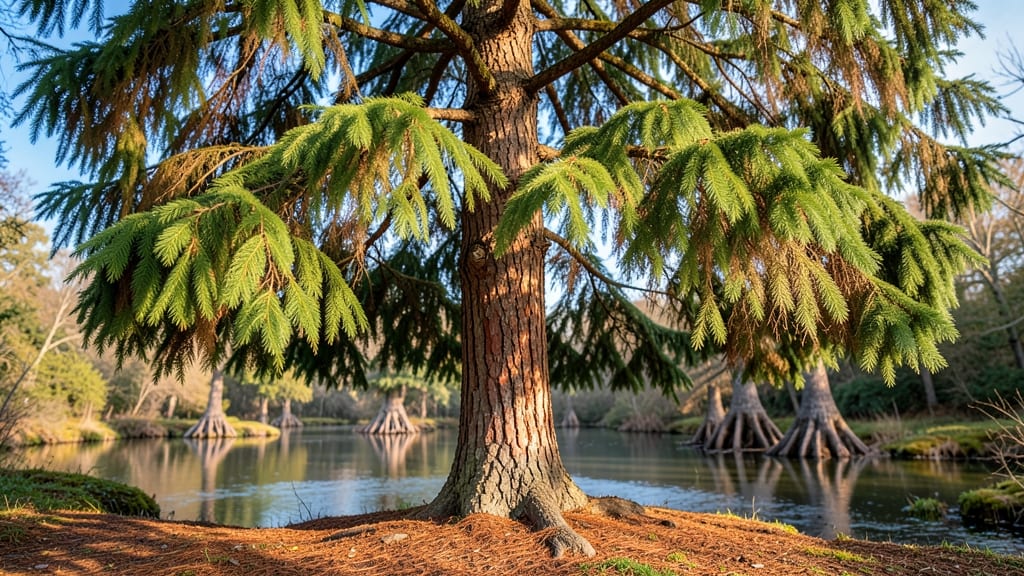
A cypress tree can grow how tall does a cypress tree grow to heights between 40 and 70 feet at maturity—imagine a towering sentinel that dwarfs your house and casts decades of shade.
If you're dreaming of towering, elegant cypress trees in your landscape but unsure which variety will reach your desired height, you’re not alone—many gardeners overlook the dramatic differences between species.
Some varieties, like the fast-growing Leyland Cypress, shoot up 3 to 4 feet per year and can top 70 feet in ideal conditions, while others, like the Bald Cypress, grow more slowly but still reach 50 to 60 feet.
Below, I break down the exact heights by species, how to control growth with pruning, and whether your yard can handle a 70-foot giant—or if a dwarf variety is the smarter choice.


Cypress tree height guide: fastest-growing varieties and their mature sizes
Choosing a cypress tree for your landscape means balancing height aspirations with space constraints. Some varieties like the Leyland Cypress shoot up at 3-4 feet per year, while others like the Bald Cypress grow more slowly but reach impressive heights over decades.
Understanding these growth patterns helps you select the perfect tree for your yard's scale and purpose.
Fast-growing cypress trees aren't just about height—they also deliver privacy screens, windbreaks, and dramatic focal points in record time. Whether you need a towering specimen or a manageable shrub, knowing the mature height and annual growth rate ensures your investment aligns with your vision.
Let’s compare the fastest-growing varieties and their ultimate sizes.
The Leyland Cypress stands out as the fastest-growing cypress, reaching 60-70 feet in just 10-15 years. This hybrid between Monterey and Nootka Cypress is a powerhouse for privacy screens, but its rapid growth means it needs plenty of space.
If you’re short on room, the Monterey Cypress offers a more compact option, topping out at 20-40 feet while still growing quickly.
For a slower but equally striking option, the Bald Cypress is a wetland specialist that thrives in soggy soils. Its 40-70 foot mature height makes it ideal for large properties or naturalistic landscapes.
Meanwhile, the Italian Cypress delivers a slender, elegant silhouette perfect for Mediterranean-style gardens, though it grows more slowly at 1-2 feet per year.
If you’re in a drought-prone area, the Arizona Cypress is a resilient choice, growing 2-3 feet per year and reaching 30-40 feet in 10-15 years. Its tolerance for dry conditions makes it a low-maintenance favorite for arid climates.
Always check your USDA hardiness zone to ensure the variety you choose will thrive in your region.
Before planting, consider how tall your cypress will grow and how quickly. A Leyland Cypress planted today could tower over your roof in a decade, while a Bald Cypress might take twice as long to reach the same height.
Measure your space carefully and factor in the tree’s canopy spread, which can be nearly as wide as it is tall.
Pruning plays a key role in managing height. Young cypress trees benefit from structural pruning to encourage strong branching, while mature trees can be pruned to control height or shape.
Avoid over-pruning, as cypress trees rely on their foliage for photosynthesis and growth. Always use sharp, clean tools to prevent disease.
For small gardens, dwarf varieties like the ‘Golden Mop’ Cypress (10-15 feet) or ‘Swane’s Gold’ (15-20 feet) offer all the beauty without the space demands. These compact options grow at a more moderate pace, making them ideal for containers or tight landscapes.
Even in small spaces, a well-placed cypress can add vertical interest and year-round greenery.
When planning your landscape, think beyond just height. Consider the growth rate, climate suitability, and maintenance needs of each variety. A fast-growing cypress like the Leyland may seem ideal, but if your yard lacks space, a slower-growing but equally stunning option might be the better long-term choice.
Ready to plant? Start by selecting a cypress variety that matches your space, climate, and aesthetic goals. With the right choice, you’ll enjoy a towering, elegant tree that grows beautifully for decades—without the surprises. 🌲
How to choose the right Cypress tree for your space: height vs. growth rate
Choosing a cypress tree can feel overwhelming when you consider how tall cypress trees grow and how quickly they reach maturity. Some varieties like the Leyland Cypress shoot up 3-4 feet per year, while others like the Bald Cypress grow more slowly at 1-2 feet annually.
Your decision hinges on your space, climate, and intended use—whether it’s a privacy screen, ornamental focal point, or windbreak.
Before planting, measure your available space and check your USDA hardiness zone. For example, Monterey Cypress thrives in zones 7-10 and grows 40-50 feet tall, while the Arizona Cypress prefers zones 5-9 and tops out around 30-40 feet.
Even small differences in height can drastically change your landscape’s look and functionality over time.
For privacy screens, plant Leyland Cypress trees 6-8 feet apart to ensure they fill in quickly. These trees can create a 10-foot-tall wall in just 3-4 years, making them ideal for blocking noise or neighbors’ views.
If you’re working with limited space, opt for Dwarf Italian Cypress—they stay compact but still provide year-round greenery.
When calculating growth over time, remember that cypress trees grow fastest in their first 10 years. For instance, a Leyland Cypress planted today could reach 30 feet tall in a decade, while a Bald Cypress might only hit 20 feet in the same timeframe.
Use this growth rate to plan for future pruning or even tree removal if needed.
Consider your climate zone and soil type too. Leyland Cypress loves well-draining soil and full sun, while Bald Cypress tolerates wet conditions, making it perfect for swamps or rain gardens.
If you’re unsure, test your soil’s drainage by digging a hole, filling it with water, and timing how long it takes to drain—ideal drainage is within 6 hours.
No matter which cypress tree you choose, always prune for shape and health in late winter or early spring. This keeps the tree upright and dense, preventing weak branches that could snap in storms.
With the right variety and care, your cypress tree will become a stunning, long-lived centerpiece for decades to come.