
Pruning
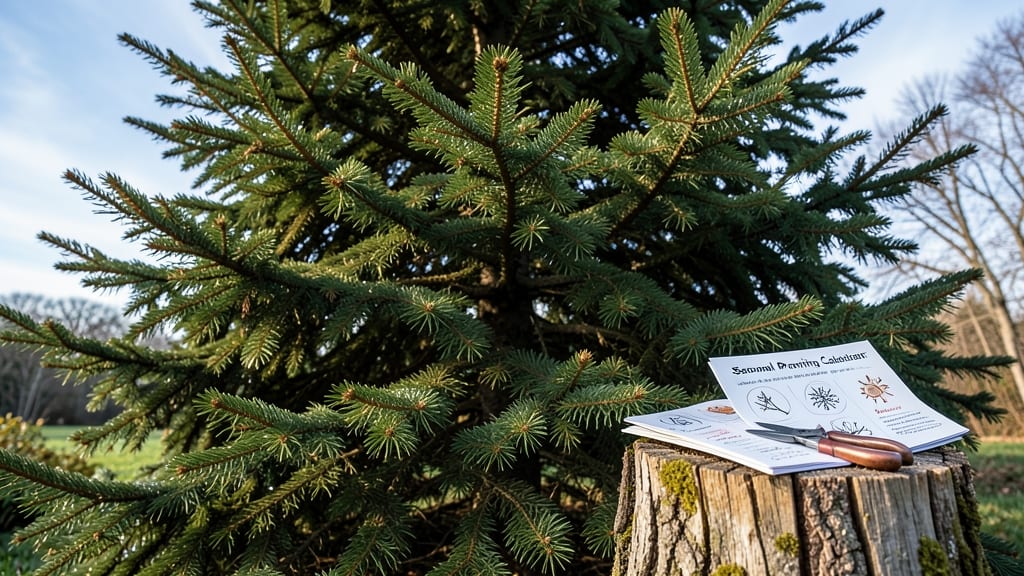
Want your Christmas tree to thrive for a decade or more? These pruning secrets extend its lifespan while keeping foliage dense and vibrant—transforming holiday memories into long-term gardening success.
Early Spring Crown Thinning Technique
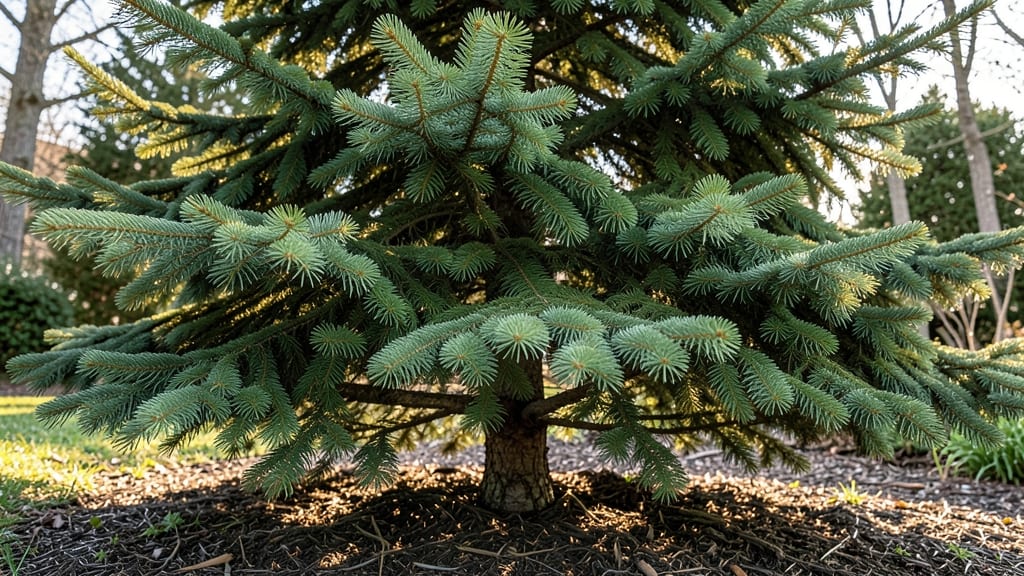
If your Fraser fir or other dense evergreen Christmas tree looks crowded and stifled, early spring crown thinning is the secret to breathing new life into it. This technique focuses on removing congested inner branches—before the growing season peaks—to create space for airflow and sunlight penetration.
Using sharp pruning shears, target branches that rub against each other or block light from reaching the inner foliage. Aim to remove no more than 25% of the crown in one session, focusing on branches that are thinner than a pencil and growing inward. This reduces humidity buildup, which is a breeding ground for fungal diseases like needle blight that can shorten your tree’s lifespan by decades.
Homeowners with mature Christmas trees—especially those in humid climates—will see the most dramatic improvements, as this method prevents the slow decline caused by poor air circulation. Start this technique in late March or early April, just as new growth begins, and watch your tree’s health transform. 🌱
Winter Dormancy Pruning for Needle Retention
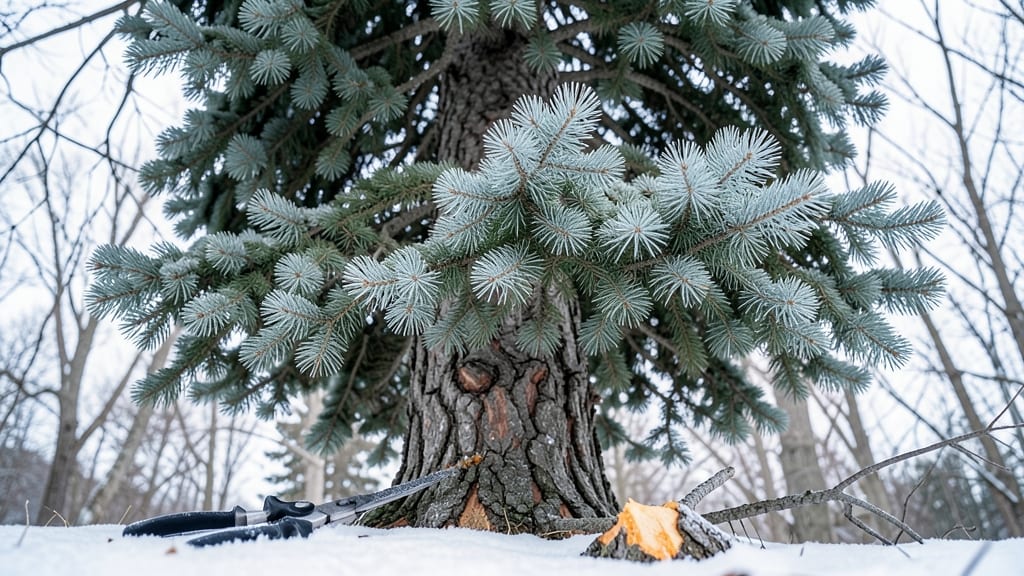
Winter is the perfect time to refresh your Colorado blue spruce without causing stress—by focusing only on removing dead branches. Unlike spring or summer pruning, winter dormancy work preserves the tree’s energy reserves, ensuring a stronger rebound when growth resumes in spring.
Use sterilized pruning shears to cut just above the branch collar of any brown or broken limbs, avoiding healthy green needles entirely. This targeted approach prevents winter burn by reducing exposure to harsh winds and sun while keeping the tree’s natural shape intact. For extra protection, apply a light layer of anti-desiccant spray to vulnerable branches before the first freeze.
This method is ideal for gardeners in cold climates where winter burn is common, giving your tree the best chance to emerge lush and full in spring. 🌿
Summer Shearing for Bushy Growth Habit
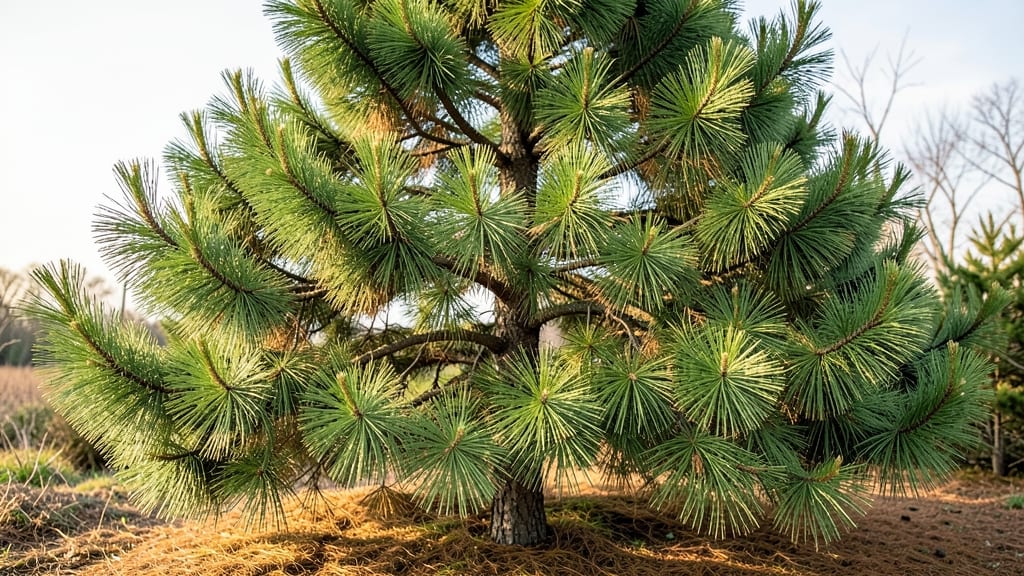
Turn your Norfolk pine into a lush, full Christmas tree by embracing summer shearing—this isn’t just trimming, it’s growth hacking. Light shaping during the peak growing season (June-August) triggers lateral branching, filling out the tree’s silhouette faster than waiting for winter pruning ever could.
Use hand shears or hedge trimmers to gently round the tree’s edges, focusing on the outer third of branches. Avoid cutting into old wood—stick to new, flexible growth. This method works especially well for Norfolk pines in warm climates, where they can maintain their shape year-round without the stress of harsh winters. The key is consistency: a light touch every 6-8 weeks keeps the tree responding with vigorous new growth.
This technique is a game-changer for gardeners who want their living Christmas trees to look festive year-round without the labor of winter pruning. It’s also perfect for urban gardeners with limited space—denser trees mean more impact in smaller areas. 🌟
Root Collar Cleaning for Disease Prevention
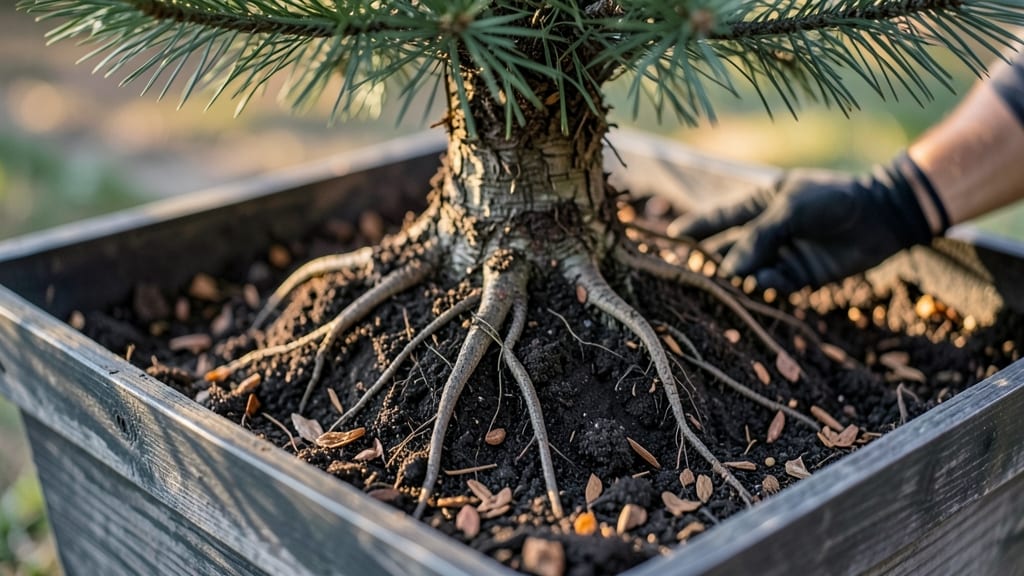
If your container-grown Christmas tree looks stunted or its roots are circling tightly, the issue might start at its base. Root collar cleaning—removing excess mulch and soil annually—prevents rot and root girdling, which can strangle growth over time. This simple 10-minute task is especially critical for trees in pots, where moisture and mulch buildup create the perfect conditions for fungal diseases.
Use a small hand fork or your fingers to gently scrape away any mulch or soil touching the root collar (the swollen area where roots meet the trunk). Avoid digging too deep—just remove what’s directly contacting the base. For container-grown trees, this should be done once a year in early spring before new growth begins. The goal is to expose healthy roots while preventing moisture from pooling against the trunk.
This method is a game-changer for urban gardeners or anyone growing Christmas trees in limited spaces. A clean root collar ensures your tree stays healthy, vibrant, and ready for holiday cheer year after year. 🌱
Selective Branch Removal for Light Penetration
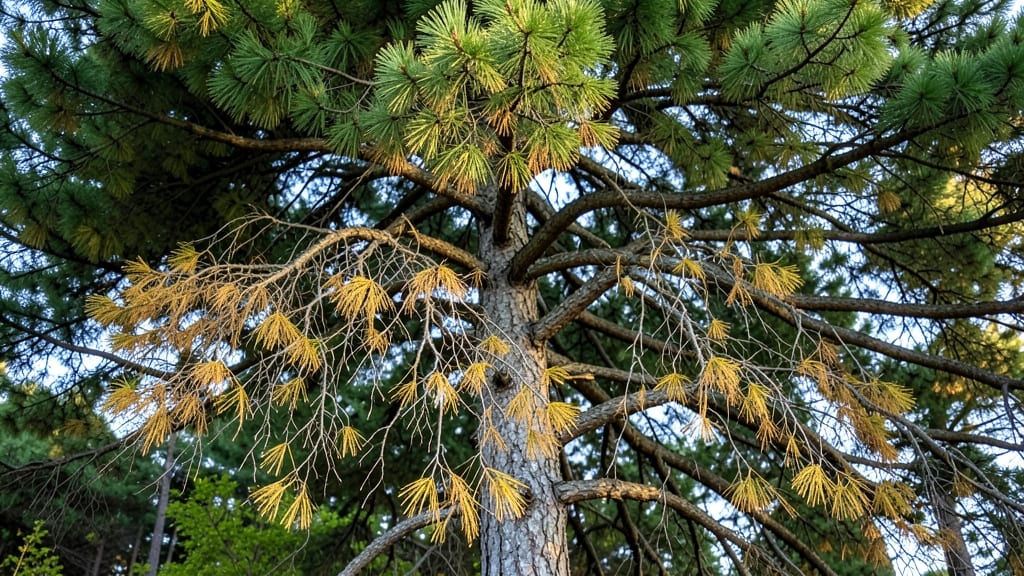
If your Scotch pine looks lush on top but sparse at the bottom, it’s not just a cosmetic issue—it’s a sunlight starvation problem. The inner needles turn yellow and drop when blocked by dense lower branches, signaling the tree’s slow decline. This targeted pruning method fixes that by letting light reach every layer of foliage.
Focus on removing only the lowest 2-3 branches (about 1/3 of the tree’s height) where sunlight can’t penetrate. Use sharp pruning shears to make clean cuts just above outward-facing buds, avoiding the main trunk. Repeat this process every 2-3 years in late winter or early spring when the tree is dormant but about to wake up. This simple adjustment prevents the "bald spot" at the base while keeping the tree’s iconic shape.
This technique is a game-changer for homeowners with shaded yards or trees planted too close to fences/walls. By improving light exposure, you’ll see denser growth at the base and fewer yellowing needles—keeping your tree healthy for decades. 🌿
Post-Holiday Defoliation Recovery Plan
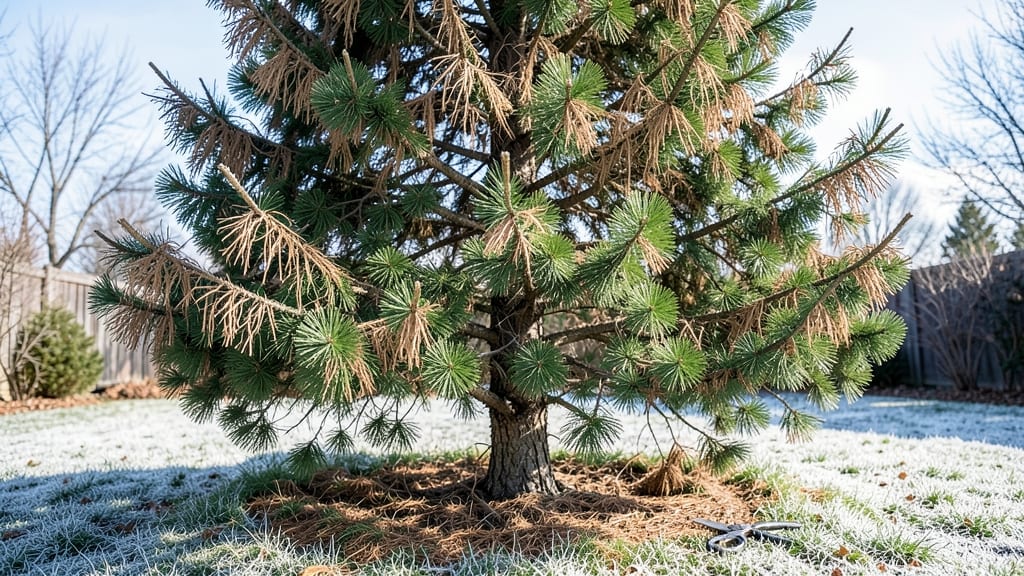
After the holidays, your Christmas tree may look like it’s given up—but don’t write it off yet. Post-holiday defoliation from broken branches and indoor stress can be reversed with the right recovery plan, helping trees bounce back from losing 30%+ of their needles annually.
Start by pruning only the broken branches with clean cuts just outside the branch collar. Avoid over-pruning—remove no more than 10-15% of the tree’s foliage at once. Pair this with a slow-release nitrogen fertilizer (like a 10-10-10 blend) to replenish nutrients lost during the holidays. Water deeply but avoid soggy soil, which can stress roots further.
This approach works best for evergreen species like Fraser firs or Nordmann firs, but even stressed trees can recover with patience. Urban gardeners with limited space will appreciate how this method keeps trees compact while restoring health—turning holiday memories into year-round greenery. 🌱
Thinning Out Whorls for Vertical Growth
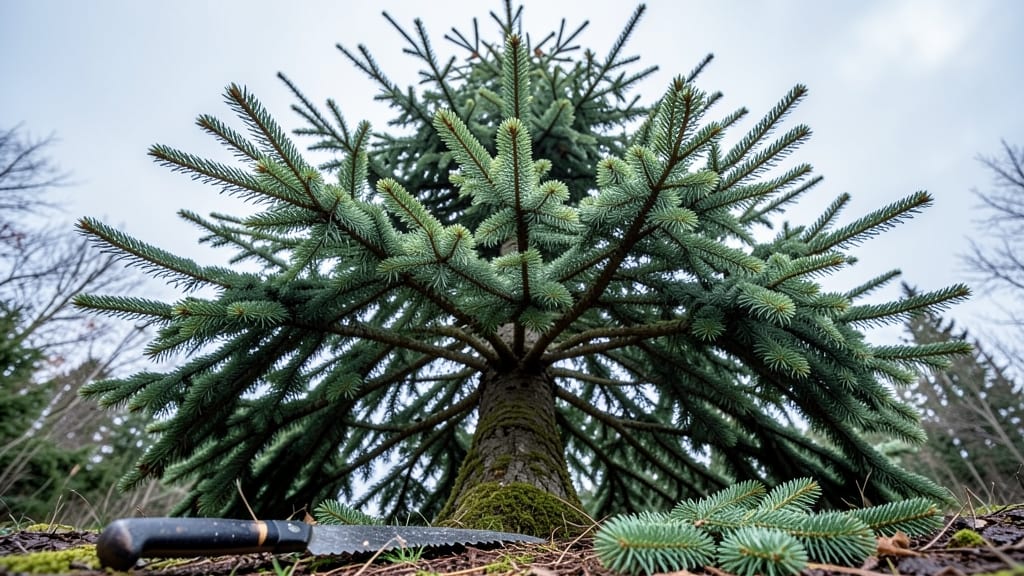
If your Fraser fir is spreading wider than it grows tall, it’s time for a dramatic—but rewarding—pruning technique. Removing entire whorls of branches every 3-4 years isn’t just about aesthetics; it forces the tree to redirect energy upward, restoring that classic conical shape while preventing overcrowded branches that block sunlight.
Start by identifying the lowest whorl (a circular layer of branches) that’s at least one-third of the tree’s height from the ground. Use sharp pruning shears to cut the entire whorl back to the main trunk, including small branches. This method mimics natural pruning and reduces the risk of disease by improving airflow. For Fraser firs, which naturally grow broad, this technique keeps them manageable while preserving their signature dense foliage.
This approach is perfect for homeowners with limited space or those who want a tree that stays elegant without sacrificing holiday charm. With consistent whorl thinning, your Christmas tree will grow taller, healthier, and ready for decades of celebrations. 🌟
Disease-Resistant Pruning for Spruce Trees
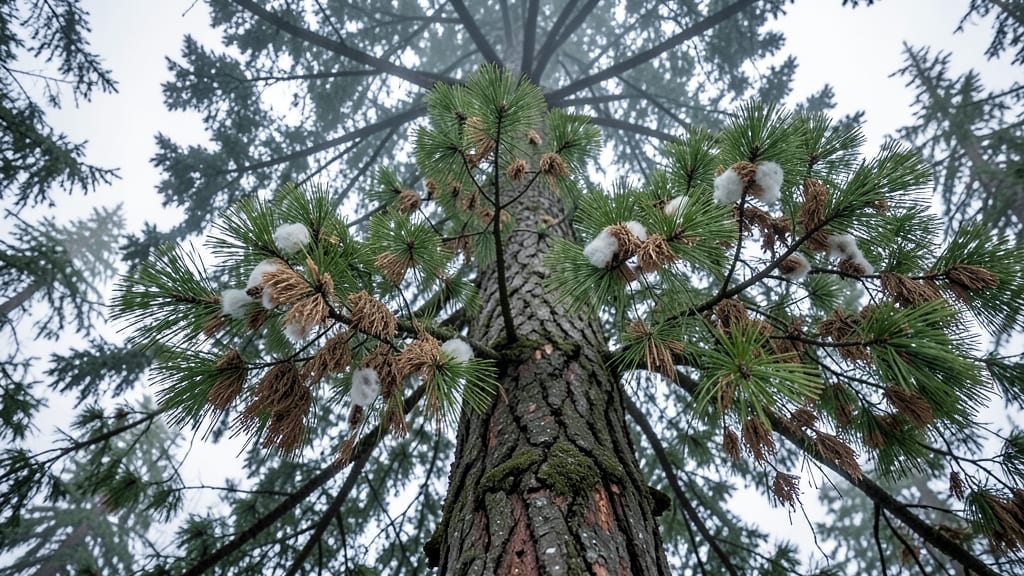
When your spruce tree develops patchy needle loss, the culprit is often the spruce gall adelgid—a sap-sucking pest that weakens branches before spreading. Unlike uniform needle drop from drought or age, adelgid damage appears in irregular clusters, making targeted pruning the key to saving your tree.
Use sharp, sterilized pruners to remove only infected branches, cutting 6-12 inches below the visible damage. Avoid pruning healthy tissue, as this can stress the tree further. Apply horticultural oil in early spring to smother overwintering adelgids before they feed. For severe cases, repeat treatments every 2 weeks until new growth appears.
This method is ideal for Colorado blue spruces and white spruces, where adelgids thrive in dense foliage. By acting early, you can preserve your tree’s structure and prevent the gradual decline that leads to replacement. 🌱
Root Pruning for Container-Grown Trees
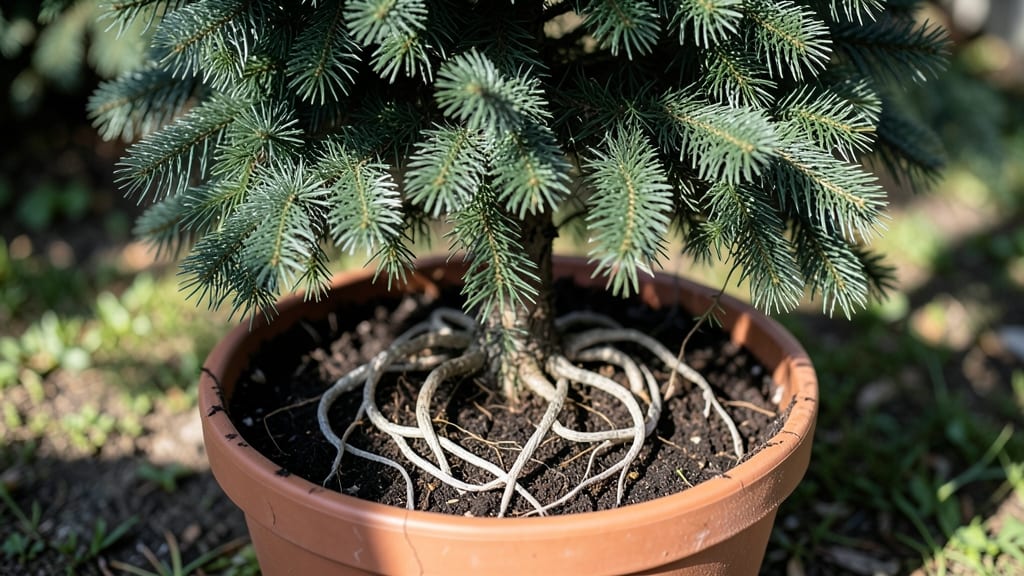
If your container-grown Christmas tree looks stunted despite regular watering, the issue might be root-bound stress—a silent killer of potted evergreens. Unlike outdoor trees, container-grown specimens develop dense root systems that circle the pot, starving the tree of nutrients and space to grow. This simple technique can revive even the most crowded root balls.
Perform root pruning in early spring by gently removing the tree from its container and trimming 10-20% of the most compact roots with clean, sharp shears. Focus on roots circling the perimeter and any that appear gnarled or overly dense. After pruning, refresh the potting mix with a well-draining blend (like 60% pine bark, 30% peat moss, and 10% perlite) to encourage outward growth. This process mimics natural root expansion and prevents the tree from becoming stressed or stunted as it matures.
This method is especially valuable for urban gardeners or those growing living Christmas trees in pots for holiday displays. By pruning roots annually, you’ll promote a healthier, fuller tree that stays vibrant for years—not just seasons. 🌱
Seasonal Pruning Calendar for Year-Round Health

Your Christmas tree’s health isn’t just about holiday cheer—it’s about year-round vitality, and the key lies in pruning with the seasons, not against them. Unlike one-size-fits-all approaches, this seasonal calendar aligns your cuts to your tree’s natural growth rhythm, ensuring it stays lush from winter dormancy to summer’s peak.
Start in early spring by removing congested inner branches to boost air flow and sunlight penetration—this kickstarts fresh growth. Move to summer shaping (light shearing) to encourage bushiness, then fall cleanup (pruning dead/diseased branches) preps the tree for winter. Skip winter pruning entirely unless removing safety hazards—dormant trees heal slower, and cuts made now can invite pests. For evergreens like Fraser firs, this rhythm keeps needles vibrant for decades.
This method is a game-changer for urban gardeners with limited space or first-time growers overwhelmed by pruning. By syncing your work to nature’s clock, you’ll enjoy a tree that’s not just festive in December, but thriving all year. ✨