
Blooming
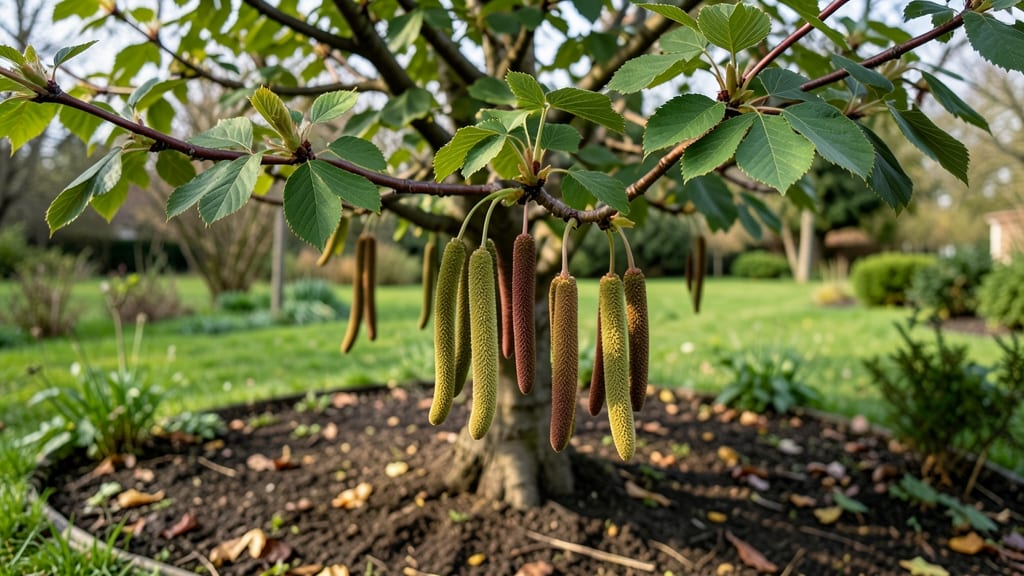
Those fuzzy, candle-like catkins on chestnut trees aren’t just spring’s quirky decorations—they’re the secret to next year’s nuts. 🌱 I’ve watched them transform from fuzzy brown strands into buzzing pollinator magnets, and they’re far more interesting than most gardeners realize.
Their appearance marks the tree’s annual renewal cycle, a sign that growth is about to explode beneath the canopy.
Catkins emerge in early spring, often before leaves unfurl, and rely on wind or insects to spread pollen. Horse chestnuts (the most common type) produce male and female flowers on separate catkins—male ones are long and dangling, while female flowers sit solitary at branch tips.
The timing varies by climate, but most appear between late March and May, giving you a brief window to observe their transformation.
Supporting strong catkin development means keeping your tree healthy: water deeply during dry spells, avoid heavy pruning in late winter, and feed with compost in early spring. A well-cared-for chestnut will produce denser catkins and better nut crops, with the added bonus of attracting bees and butterflies to your yard.
The payoff? A tree that looks spectacular and performs even better.
If you’ve got a young chestnut, give it space—these trees need room to grow. Older trees reward patience with vibrant spring displays and the occasional harvest of sweet, edible nuts. The key is observing them year after year; their cycles reveal more about tree health than most people notice.
Here’s how to spot them and what they mean for your garden.
📚 In This Guide
- What you need
- Instructions
- Tips and common mistakes
- Wrapping up and next steps
What you need
- ● Chestnut tree catkins: Freshly fallen or still-attached catkins (collect 5–10 for projects or study). Look for Castanea species like American or European chestnut trees.
- ● Magnifying glass or hand lens: A 10x magnification lens helps observe fine details of the catkins’ structure.
- ● Notebook or sketchbook: For jotting down observations or sketching catkin features.
- ● Pencil or fine-tip markers: For detailed sketches or labeling.
- ● Clear plastic bag or airtight container: To store catkins temporarily (avoid moisture to prevent mold).
- ○ Tweezers (optional for handling): Useful for delicate tasks like separating catkin scales.
- ● Glue (white or craft glue): For pressing catkins into frames or art projects.
- ● Pressing board & heavy books: To flatten catkins for long-term preservation (place between parchment paper).
- ● Scissors or craft knife: For trimming stems or creating shapes.
- ● Cardstock or thick paper: For mounting pressed catkins in frames.
- ● Camera or smartphone: To capture close-ups of catkins in their natural habitat.
How to identify and care for chestnut tree catkins
Here's how to spot these early spring blooms and nurture your tree's health.
🌿 Step 1: Recognize Catkins on Your Chestnut Tree
The first thing to watch for are those fuzzy, drooping flower clusters—those are chestnut tree catkins. They appear in early spring, usually around mid-March to April, before the leaves even emerge. The male catkins are long and yellowish, while female flowers are smaller and red. I always check the tree's bark first for last year's leaf scars—those tell me where to look for new growth.
Run your fingers gently over the branches. You'll feel the soft, velvety texture of the catkins before you see them clearly. This is your signal that the tree is waking up from dormancy. If you see these in late winter, your tree is likely a horse chestnut rather than a true chestnut—both produce catkins, but the timing and appearance differ slightly.
☀️ Step 2: Provide Optimal Conditions for Catkin Development
Catkins thrive when your tree gets full sun to partial shade—at least 6 hours of sunlight daily. If your tree is in deep shade, the catkins may appear weak or sparse. I've found that trees in south-facing locations produce the most vibrant catkins, but even those in partial shade will still bloom if healthy.
Keep an eye on the soil moisture—too wet or too dry can stress the tree and reduce flowering. Water deeply once a week if there hasn't been recent rain, ensuring the soil stays evenly moist but not soggy. You'll know it's right when the top 2 inches of soil feel damp but not clinging to your fingers.
🌱 Step 3: Support Tree Health for Future Catkin Production
Healthy trees produce the most spectacular catkins, so focus on soil quality and nutrients. Chestnut trees prefer well-draining, slightly acidic soil (pH 6.0-7.0). If your tree's leaves look pale or yellow, it might need a balanced fertilizer in early spring—just before the catkins appear. I use a 10-10-10 formula lightly around the drip line, avoiding direct contact with the trunk.
Mulch around the base of the tree with 2-3 inches of organic mulch (like wood chips) to retain moisture and regulate soil temperature. Keep the mulch 6 inches away from the trunk to prevent rot. This simple step makes a huge difference in how well the tree recovers after flowering and prepares for next year's catkins.
✂️ Step 4: Prune Strategically to Encourage Better Catkin Display
Pruning in late winter or early spring—just before catkins emerge—helps the tree focus energy on flowering. Remove any dead, diseased, or crossing branches first, then thin out the canopy to improve airflow. I aim to keep the tree's shape open so light reaches all branches. Cut back no more than 25% of the tree's foliage in one season to avoid shocking it.
Watch for suckers (shoots growing from the base) and remove them promptly—they divert energy from the main tree. If you see weak or leggy branches with few catkins, they might be competing with stronger growth. Prune them back to a healthy lateral branch to redirect the tree's energy where it counts.
🌿 Step 5: Enjoy and Monitor for Pests or Disease
Once the catkins appear, take time to admire them—they're one of nature's most unique spring sights! But keep an eye out for aphids or scale insects, which love to cluster on new growth. If you see sticky residue (honeydew) on the branches below the catkins, wipe them gently with a damp cloth or spray with neem oil for a natural solution.
Healthy catkins should last 2-4 weeks before dropping. If they fall prematurely or look shriveled, your tree might be stressed from drought, poor soil, or disease. In that case, focus on improving soil health and watering consistency. With the right care, your chestnut tree will reward you with even more dramatic catkin displays next spring.
Tips & tricks for perfect chestnut tree catkin care
These little-known strategies will help you coax the most vibrant catkin displays from your chestnut tree every spring.
Timing is Everything: The mid-March to April window for catkin emergence is critical—this is when your tree's energy shifts from dormancy to growth. Mark your calendar and set a reminder to check branches weekly starting in late February. I've seen catkins appear as early as late February in warm microclimates, but don't be surprised if they're delayed until May in colder regions. The key is to monitor rather than guess.
Visual Identification Tricks: When examining branches, look for the distinctive fuzzy texture that distinguishes catkins from buds. Male catkins hang like long, yellowish tassels while female flowers appear as tiny red clusters. Pro tip: Use a magnifying glass to examine the base of catkins—you'll notice tiny scales that open to release pollen. This microscopic detail confirms you're dealing with true catkins rather than other spring growth.
Seasonal Light Adjustments: While your tree needs at least 6 hours of sunlight daily, the angle of spring sun matters more than you might think. Position yourself on the north side of the tree in the morning to observe how sunlight hits different branches. I've found that south-facing branches often develop catkins first because they receive more direct sunlight during the critical morning hours when temperatures are cooler.
Soil Moisture Secret: The "damp but not clinging" soil test is your best friend for catkin care. For a more precise method, use a soil moisture meter near the drip line—aim for readings between 40-60%. I've noticed that catkins appear more robust when soil moisture stays consistently in this range during the blooming period. If your soil drains too quickly, consider adding compost to improve water retention without altering the pH.
Pro Tips for Chestnut Tree Catkins
- These little-known strategies will help you coax the most vibrant catkin displays from your chestnut tree every spring.
- Timing is Everything: The mid-March to April window for catkin emergence is critical—this is when your tree's energy shifts from dormancy to growth.
- Visual Identification Tricks: When examining branches, look for the distinctive fuzzy texture that distinguishes catkins from buds.
Frequently asked questions
Got questions about those fuzzy, golden chestnut tree catkins? You’re not alone! Here are answers to the most common queries, from curious onlookers to gardeners eager to understand these springtime wonders.
What exactly are chestnut tree catkins, and why do they look so weird?
Catkins are the male flowers of chestnut trees (like horse chestnut or sweet chestnut). Those dangling, fuzzy clusters release pollen in early spring, while the female flowers (tiny and less showy) grow separately. Their odd shape helps catch wind to spread pollen—nature’s DIY fertilization system!
When is the best time to see chestnut tree catkins in full bloom?
Timing varies by species and climate, but catkins typically peak in late winter to early spring (February–April in most U.S. regions). Horse chestnut catkins appear before leaves, while sweet chestnut catkins bloom slightly later. Check your local tree’s progress—rain and warmth speed up the show!
Can I plant chestnut tree catkins myself, or do I need seeds?
Nope! Catkins are sterile—they’re all pollen, no seeds. To grow a chestnut tree, you’ll need the spiky seed pods (conkers) or store-bought saplings. Save those fuzzy clusters for admiring—they’re nature’s way of teasing you until fall’s harvest!
Are chestnut tree catkins harmful to bees or other pollinators?
Not at all! While catkins don’t produce nectar, they’re a pollen powerhouse for bees and other insects. Female flowers (often hidden) offer nectar later. If you’re worried, plant native pollinator-friendly flowers nearby to give them a full buffet.
What should I do if my chestnut tree isn’t producing catkins this year?
Don’t panic! Young trees (under 5 years) or stressed trees may skip blooming. Check for:
- Pests (aphids, scale insects)
- Poor soil (test pH—chestnuts love slightly acidic soil)
- Drought or overwatering
Wrapping up and next steps
Chestnut tree catkins aren’t just a sign of spring—they’re a celebration of nature’s renewal and a reminder of the beauty in small, often overlooked details.
Whether you’re admiring them in the wild, learning to identify them, or even cultivating your own chestnut trees, these delicate blooms invite you to connect more deeply with the rhythms of the season. 🌿
So, why not take the next step? Visit a local park to spot them in person, plant a chestnut tree in your yard, or share your newfound knowledge with fellow plant enthusiasts. Every little action helps keep the cycle of growth—and wonder—alive!