
Planting
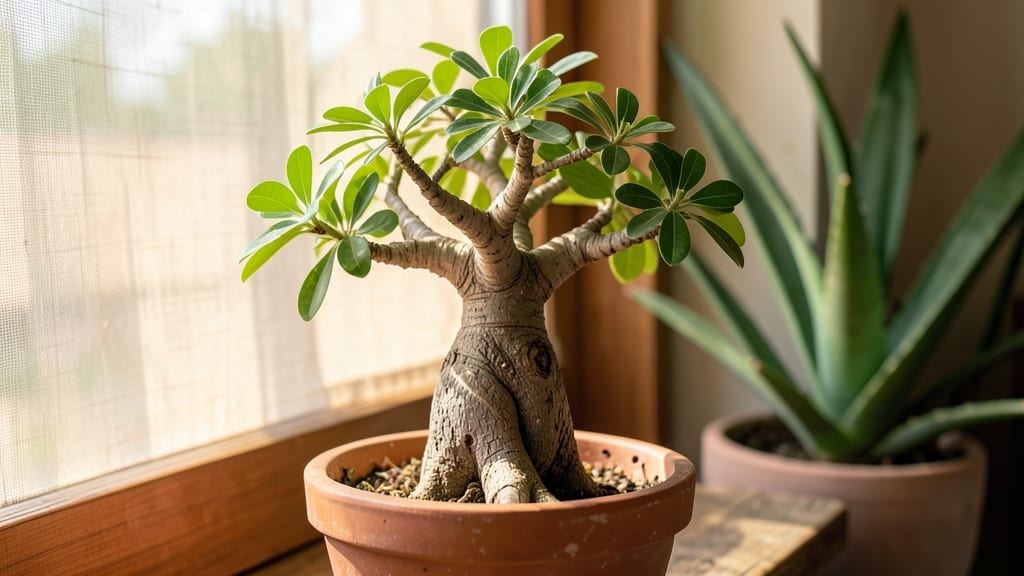
Growing a baobab tree as a house plant turns your living room into a desert oasis with almost no effort. 🌵 This iconic African tree thrives indoors with just sunlight, patience, and occasional water—no fancy equipment needed.
My first baobab started as a 3-inch seedling and now stands 6 feet tall with a trunk wider than my wrist, all while needing less care than my fussy fiddle-leaf fig.
The secret lies in mimicking its native habitat: bright light, dry soil, and warm temperatures. Unlike most houseplants, baobabs store water in their thick trunks, so they despise soggy conditions.
Use a fast-draining cactus mix in a pot with drainage holes, and water only when the soil is completely dry—sometimes that means waiting 3-4 weeks between waterings. Overwatering is the #1 killer of indoor baobabs, so err on the side of too dry rather than too wet.
You'll love how this plant rewards patience with dramatic growth spurts and a striking, almost sculptural presence. The thick, gray-green leaves add texture to any space, and the slow, steady growth makes it a satisfying long-term project.
With proper care, your baobab can live for decades, becoming a living heirloom that tells the story of your home.
Perfect for beginners who want a low-maintenance plant with high visual impact. The key is observing rather than micromanaging—baobabs thrive on neglect as much as attention. Here's how to set yours up for success without the guesswork.
📚 In This Guide
- What you need
- Instructions
- Tips and common mistakes
- Wrapping up and next steps
What you need
- ● Baobab Tree House Plant (Adansonia digitata or Pereskia spp.): Choose a healthy, mature plant (4–6" tall) from a reputable nursery or online seller.
- ● Well-draining potting mix: 1 gallon of a blend with cactus/succulent soil (60%), perlite (20%), and coarse sand (20%). Avoid heavy, moisture-retentive mixes!
- ● Pot with drainage holes: A 10–12" diameter terracotta or ceramic pot (baobabs hate soggy roots!).
- ● Gravel or pebbles: A handful for the pot’s bottom layer (1–2" thick) to boost drainage.
- ● Garden trowel or small shovel for repotting.
- ● Watering can with a narrow spout (to avoid overwatering).
- ● Spray bottle (for occasional misting).
- ● Pruning shears (sterilized with rubbing alcohol).
- ○ Gloves (optional—baobab leaves can be prickly!).
- ● Bright, indirect light: A south- or west-facing window (or a grow light for 6–8 hours/day).
- ● Warmth: Keep temps between 65–85°F (18–29°C). Avoid drafts!
- ● Patience: Baobabs grow slowly—think "decades," not days! 🐢
- ● Humidity tray (if your air is dry).
- ● Slow-release fertilizer (balanced 10-10-10, used sparingly).
- ● Decorative stones or moss to style your pot.
- ● Plant support stake (for young, top-heavy plants).
Step-by-Step instructions for growing a baobab tree house plant indoors
Here's how to bring this striking, low-maintenance plant into your home with just a few easy steps.
🪴 Step 1: Select the Right Container and Soil Mix
Start with a 10-12 inch diameter pot—just the right size for a young baobab's thick, taproot system. Choose a container with drainage holes to prevent root rot, which this drought-loving plant can't tolerate. I like terra cotta because it breathes and helps regulate moisture levels naturally.
Use a well-draining cactus or succulent mix blended with 30% perlite or pumice to ensure excellent aeration. The baobab's roots need room to breathe, so avoid heavy garden soil. Fill the pot about 1/3 full with this mix, leaving space for the plant's thick trunk.
🌱 Step 2: Plant Your Baobab with Care
Gently remove your baobab from its nursery pot and loosen the roots if they're circling. Place the plant in the center of your container, ensuring the base of the trunk sits just above the soil line—never bury the trunk too deep. This helps prevent rot and encourages strong growth.
Fill the remaining space with your prepared soil mix, pressing lightly around the base to secure the plant. Water thoroughly until water runs out the drainage holes, then let it drain completely. This initial watering helps settle the soil and removes any air pockets that could suffocate the roots.
☀️ Step 3: Position for Bright, Indirect Light
Baobabs thrive in bright, indirect light—think of a south- or west-facing window with filtered sunlight. Direct sun can scorch the thick leaves, so if your plant starts looking pale or crispy at the edges, move it back a few feet. You'll know the light is right when the leaves stay deep green and firm to the touch.
Rotate the pot a quarter turn every few weeks to encourage even growth. Baobabs grow slowly but can develop a striking, twisted trunk over time. If you notice the plant leaning toward the light, it's time to adjust its position or supplement with a grow light during shorter winter days.
💧 Step 4: Water Sparingly and Let It Dry Between Waterings
Water your baobab only when the top 2-3 inches of soil feel completely dry. Stick your finger in the soil—if it's dry at that depth, it's time to water. Overwatering is the fastest way to kill a baobab, so I always err on the side of underwatering. When you do water, soak the soil thoroughly until water drains from the bottom.
This plant stores water in its thick trunk, so it can go weeks without water in cooler months. In summer, you might water every 2-3 weeks, but always check the soil first. Yellowing leaves or a soft trunk are signs of overwatering—cut back immediately and let the soil dry out completely.
✂️ Step 5: Prune and Fertilize Lightly for Healthy Growth
Baobabs rarely need pruning, but if you notice leggy growth or dead branches, trim them back with clean, sharp pruners. Make cuts just above a leaf node to encourage new growth. This plant grows slowly, so don't expect dramatic changes—think of it as a long-term investment in your indoor jungle.
Fertilize lightly during the growing season (spring and summer) with a diluted cactus fertilizer every 6-8 weeks. Too much fertilizer can harm the baobab, so always follow the package instructions and reduce the concentration by half. Skip fertilizing in fall and winter when the plant is dormant.
Tips & tricks for perfect baobab tree house plant care
Took me a while to figure these out, so here goes—your baobab will thank you.
Container Selection: That 10-12 inch pot size is non-negotiable for young baobabs. If you're tempted to go bigger, resist! A larger container holds too much moisture, and root rot will set in faster than you can say "desert plant." Terra cotta is ideal because it wicks away excess moisture, but any pot with drainage holes will work. Pro tip: Place a saucer underneath to catch drainage—just empty it after watering.
Soil Mix Matters: The cactus/succulent mix with 30% perlite isn't just about drainage—it's about creating an airy environment for those thick roots. I've seen people use regular potting soil and wonder why their baobab struggles. The perlite prevents compaction, which is crucial since baobabs hate soggy feet. If you can't find pre-mixed cactus soil, blend 70% regular potting soil with 30% perlite or coarse sand yourself.
Light Positioning: Those south- or west-facing windows are perfect, but watch for subtle signs your baobab is getting too much direct sun. If the leaves start looking pale or develop crispy edges, it's time to move it back. I've had to rescue more baobabs from sunburn than I'd like to admit—trust me, the plant will tell you when it's unhappy. A sheer curtain can help diffuse harsh afternoon sun if you don't have an ideal window.
Watering Wisdom: The finger test in Step 4 is your best friend. When you stick your finger in that top 2-3 inches and feel dryness, that's your cue. But here's what nobody tells you—the baobab's trunk is like a water storage tank. In winter, I've gone months without watering mine, and it's thrived. The key is always letting the soil dry completely between waterings. If you're unsure, wait another week—you can't over-dry, but you can definitely overwater.
Pro Tips for Baobab Tree House Plant
- Took me a while to figure these out, so here goes—your baobab will thank you.
- Container Selection: That 10-12 inch pot size is non-negotiable for young baobabs.
- Soil Mix Matters: The cactus/succulent mix with 30% perlite isn't just about drainage—it's about creating an airy environment for those thick roots.
Frequently asked questions
How often should I water my baobab tree house plant?
Water your baobab sparingly—only when the top 2-3 inches of soil are completely dry. Overwatering is the #1 killer! Aim for every 2-4 weeks (adjust based on humidity, season, and pot size). In winter, reduce watering to once a month or less. Pro tip: Let excess water drain fully to avoid root rot.
Can baobab tree house plants survive indoors year-round?
These plants thrive indoors as long as they get bright, indirect light (a south- or west-facing window is ideal). They tolerate temperatures between 60–85°F but may need a cool, dry rest in winter (50–60°F). Avoid drafts or sudden temperature swings—consistency is key!
Why are my baobab leaves turning yellow or dropping?
Yellowing or dropping leaves usually signal overwatering or low light. Check the soil moisture first—if soggy, let it dry out completely. If the issue persists, move your plant to a sunnier spot (but avoid harsh direct sun). Brown edges? It might be low humidity—mist occasionally or use a pebble tray. Fix it fast: Adjust care and monitor for 2–3 weeks.
Are there low-maintenance alternatives to baobab house plants?
If baobabs seem too finicky, try these drought-tolerant, slow-growing options:
- Snake Plant (Sansevieria): Nearly indestructible, thrives in low light.
- Zamioculcas (ZZ Plant): Glossy leaves, survives neglect, and purifies air.
- Ponytail Palm (Beaucarnea): Stores water like a baobab but grows faster.
- Aloe Vera: Succulent with medicinal benefits and minimal care.
How long does it take for a baobab tree house plant to mature?
Patience is key! Baobabs grow slowly—expect 1–2 inches of growth per year under ideal conditions. A 3–5 year old plant may start developing its iconic trunk thickness, while full maturity (with a thick, tree-like base) can take 10+ years. Embrace the journey—your baobab’s character grows with time!
Bonus Tip:
Need a quick care cheat sheet? Bookmark this:
Do
Don’t
Use well-draining soil + a pot with drainage holes
Overpot immediately—start small!
Rotate the plant weekly for even light exposure
Let soil stay wet for more than 3 days
Dust leaves gently with a damp cloth
Fertilize more than once every 2–3 months
Wrapping up and next steps
Bringing a baobab tree house plant into your home isn’t just about adding a bold, jungle-inspired statement—it’s about embracing a low-maintenance, rewarding green companion. 🌿 With just a little sunlight, well-draining soil, and occasional watering, you’ll enjoy its striking trunk and lush foliage for years to come.
Ready to dive in? Start by gathering your supplies, then give your baobab the love it deserves—your indoor jungle awaits! Next, pick your pot, plant with confidence, and watch your green oasis grow.