
Pruning
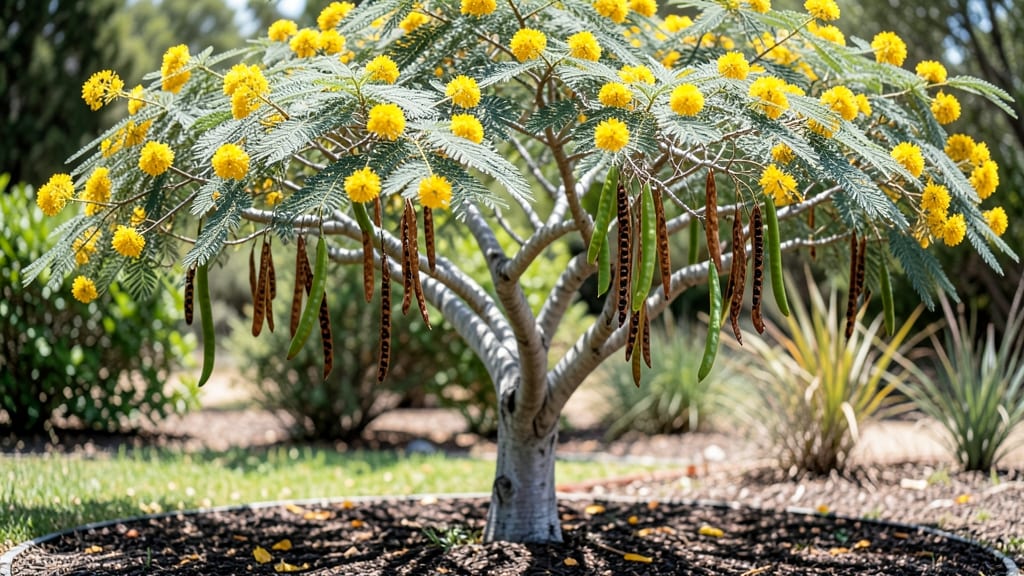
Acacia tree pods are nature’s way of storing the tree’s future—thick, leathery seed pods that hold the promise of next year’s growth. 🌱 I’ve watched my Acacia koa transform from bare branches to lush foliage each spring, all thanks to those pods, and the dormant season is when you can shape their success.
These pods aren’t just ornamental; they’re the tree’s survival strategy, and pruning during dormancy helps direct energy where it matters most—into stronger roots and next year’s blooms.
Not all acacias are the same—Acacia dealbata (silver wattle) produces bright yellow pods that contrast beautifully with its fern-like foliage, while Acacia koa (koa) has thicker, darker pods that resemble small, twisted sausages.
The key to pruning is timing: wait until late winter or early spring, just as buds begin to swell but before new growth starts. This ensures the tree isn’t stressed during its most vulnerable phase, and it gives you a clear view of the branch structure.
When you prune at the right time, you’re not just tidying up—you’re encouraging the tree to invest in its roots. Thinner branches and crowded pods mean less energy for the roots, which is why I always remove anything that’s dead, diseased, or crossing another branch.
The result? A tree that’s more resilient to drought, pests, and even storm damage. Plus, those pods you leave behind will swell with seeds, ready to sprout when conditions are perfect.
This method works for both young saplings and mature trees, though larger acacias may need a ladder (and a sharp pair of loppers). The payoff? A tree that looks stunning year-round and produces pods that are both functional and decorative. Ready to give it a try?
Natural Triggers for Pod Formation
Acacia tree pods form through a fascinating blend of environmental cues and biological processes. Understanding these triggers helps gardeners and arborists predict pod production and optimize tree health. Here’s why these unique seed vessels appear:
Acacia trees rely on photoperiodism—the plant’s internal response to daylight changes—to trigger pod development. As daylight shortens in late summer or early fall (depending on the species), the tree’s phytochrome pigments detect reduced sunlight, signaling the transition from vegetative growth to reproductive mode.
- Key Hormones Involved:
- Ethylene: Accelerates pod maturation by breaking down cell walls in the ovary.
- Abscisic Acid (ABA): Promotes seed dormancy and pod hardening, ensuring survival until favorable conditions return.
- Gibberellins: Initially suppress pod formation but decline as ABA rises, allowing pods to develop.
Pro Tip 💡: If your acacia isn’t producing pods, check its chill hours (cold exposure). Some species, like Acacia koa, need 500–1,000 hours below 45°F (7°C) to trigger hormonal shifts.
Pods form as a stress-adaptation mechanism. When acacias experience mild water stress or nutrient limitations (especially nitrogen or phosphorus), they prioritize reproduction over leafy growth. This ensures genetic survival even in harsh conditions.
- How It Works:
- Root Pressure: Drought stress increases abscisic acid in roots, which travels to the canopy, prompting flower and pod development.
- Carbon Allocation: The tree redirects photosynthates (sugars) from leaves to developing pods, sacrificing current growth for future seeds.
- Mineral Deficiencies: Low potassium or magnesium can stunt pod fill, leading to shriveling or premature drop.
Actionable Fix 🌡️: If pods appear underdeveloped, apply a balanced fertilizer (10-10-10) in early spring to support both root and reproductive growth.
Not all acacia flowers become pods—pollination efficiency is critical. Many acacias rely on insects (bees, wasps) or birds to transfer pollen between flowers. Without successful pollination, the ovary fails to develop into a pod.
- Common Pollination Barriers:
- Lack of Pollinators: Urban areas with few native insects may see low pod set.
- Timing Mismatches: Early frost or extreme heat can kill pollen before transfer.
- Genetic Incompatibility: Some acacias (e.g., Acacia melanoxylon) are self-incompatible, requiring cross-pollination.
Pro Tip ✨: Plant native flowering shrubs near your acacia to attract pollinators. Even a small bee bath can boost visitation rates.
Extreme temperatures—whether heatwaves or late frosts—can disrupt pod formation at critical stages.
- Heat Stress (Above 95°F/35°C):
- Causes flower abortion before pollination.
- Leads to pod blistering (thin, papery pods that fail to harden).
- Cold Snaps (Below 32°F/0°C):
- Damages flower buds before opening.
- Delays ethylene production, stalling pod maturation.
Solution 🌤️: In hot climates, provide light shade during flowering (spring/summer). In cold regions, mulch heavily to protect roots and maintain stable soil temps.
Young acacias (under 5 years old) often skip pod production while focusing on root and canopy growth. Mature trees (10+ years) enter a reproductive prime, but genetics play a role too.
- Fast-Podding Species:
- Acacia senegal (Gum Arabic) – Produces pods annually if conditions are ideal.
- Acacia farnesiana (Sweet Acacia) – Blooms twice a year in warm climates.
- Slow or Sparse Podders:
- Acacia dealbata (Silver Wattle) – May take 7–10 years to reliably produce pods.
Key Takeaway 📊: If your tree is past prime age but not podding, it may be over-pruned or root-bound. Conduct a soil test and adjust care accordingly.
Fixing Overgrowth & Weak Roots
Now that you understand why your acacia tree pods may be struggling—whether from improper pruning, pest infestations, or seasonal stress—it’s time to take action. Below are practical, step-by-step solutions tailored to the most common issues, along with prevention tips to keep your tree thriving year-round.
If your acacia’s root system is weak due to aggressive pruning, the tree may struggle to support new pod growth. Here’s how to correct it:
🔥 Step 1: Assess the Damage
- Check for signs of stress: Yellowing leaves, sparse foliage, or stunted pod development.
- Inspect the root zone: Gently loosen soil (if safe) to see if roots are exposed or damaged.
🍳 Step 2: Prune Correctly in Dormant Season
- Wait until late winter/early spring (before new growth starts).
- Use clean, sharp tools (pruners, saws) to avoid tearing bark.
- Cut at a 45° angle just above a bud or branch collar (never leave stubs).
- Remove no more than 20-30% of the canopy—acacias recover slowly from heavy cuts.
👨🍳 Step 3: Fertilize for Recovery
- Apply a balanced, slow-release fertilizer (e.g., 10-10-10) in early spring.
- Water deeply (1-2 inches per week) to encourage root regrowth.
- Mulch around the base (2-3 inches of organic mulch) to retain moisture and protect roots.
🌡️ Pro Tip:
If your tree is severely weakened, consider a root stimulator (like mycorrhizal fungi) to boost microbial activity in the soil.
Pods and leaves may suffer from aphids, scale insects, or fungal infections, leading to poor development. Here’s how to combat them:
🔪 Step 1: Identify the Problem
- Aphids/scale: Look for sticky residue (honeydew) or small insects clustering on new growth.
- Fungal issues: Check for dark spots, powdery mildew, or wilting pods.
⏰ Step 2: Treat Infestations
- For pests:
- Neem oil spray (mix 1 tbsp neem oil + 1 tsp mild soap per gallon of water; spray early morning/evening).
- Horticultural oil (apply in dormant season to smother overwintering pests).
- Beneficial insects: Release ladybugs or lacewings to prey on aphids.
- For fungi:
- Copper fungicide (follow label instructions for application).
- Remove infected pods/leaves and dispose of them in sealed bags.
🎯 Prevention Tips:
- Prune for airflow: Thin out dense branches to reduce humidity (fungi love damp conditions).
- Water at the base (avoid overhead spraying to prevent fungal spores from splashing onto pods).
- Monitor regularly: Check undersides of leaves and new pods weekly during growing season.
If pods are small, deformed, or falling prematurely, your acacia may lack essential nutrients. Here’s how to fix it:
📊 Step 1: Test Your Soil
- Conduct a simple soil test (DIY kits are affordable) to check pH and nutrient levels.
- Acacias prefer slightly acidic to neutral soil (pH 6.0-7.5).
💪 Step 2: Amend the Soil
- For nitrogen deficiency (pale leaves, stunted growth):
- Apply composted manure or a nitrogen-rich fertilizer (e.g., blood meal).
- For phosphorus deficiency (poor root/pod development):
- Use bone meal or a phosphorus-heavy fertilizer (e.g., 5-10-10).
- For potassium deficiency (weak stems, disease susceptibility):
- Add wood ash or a potassium sulfate supplement.
🥗 Pro Tip:
A balanced organic fertilizer (like fish emulsion) can address multiple deficiencies at once.
If pods aren’t forming well during dormant season, your tree may need better winter care:
✨ Step 1: Protect Against Cold Snaps
- Mulch heavily (4-6 inches of straw or wood chips) to insulate roots.
- Water deeply before the first frost to prevent drought stress.
- Wrap young trees in burlap if your climate drops below 15°F (-9°C).
🌿 Step 2: Stimulate Spring Growth
- Avoid pruning in late fall—wait until late winter to prevent dieback.
- Apply a slow-release fertilizer in early spring to jumpstart growth.
- Prune dead/diseased branches immediately to reduce stress.
🎯 Prevention Tips:
- Choose the right variety: Some acacias (like Acacia koa) are more cold-hardy than others.
- Plant in a sheltered spot (e.g., near a south-facing wall) for natural winter protection.
Final Note: Consistency is key! Acacias are resilient but reward patient care. By addressing pruning mistakes, pests, nutrients, and seasonal stress proactively, you’ll see healthier roots, stronger branches, and abundant pods in no time. 🌳✨
Frequently asked questions
Are acacia tree pods safe for pets or livestock?
Most acacia pods are non-toxic but can cause mild stomach upset if ingested in large quantities. The seeds contain cyanogenic glycosides, which release small amounts of cyanide when chewed. For pets, remove fallen pods promptly, and monitor livestock grazing near acacias. Some species (like Acacia koa) are safer than others—research your specific variety.
Can I propagate acacia trees from pods?
Yes! Collect mature pods when they’re dry and brown, then split them open to remove the seeds. Soak seeds in warm water for 24 hours to soften the hard coating, then plant 1/4 inch deep in well-draining soil. Germination takes 2-6 weeks in warm conditions (70-80°F). Young seedlings need consistent moisture but avoid overwatering.
Why do some acacia pods stay green while others turn brown?
Green pods are immature and still developing seeds, while brown pods are mature and ready for dispersal. The color change signals seed dormancy—brown pods often contain viable seeds, while green ones may abort if conditions (like pollination) weren’t ideal. Leave mature pods on the tree for wildlife or collect them for propagation.
How do I know if my acacia tree is old enough to produce pods?
Most acacias take 3-7 years to mature enough for pod production, depending on the species. Look for thick branches (1+ inch diameter) and consistent flowering—these are key signs. Acacia senegal may pod earlier (2-3 years), while Acacia dealbata often waits until 7-10 years old. Patience is key!
Can I use acacia pods for crafts or natural dyes?
Dry pods make unique wind chimes or decorative bowls when sanded and painted. For dyes, soak pods in hot water for 24 hours—Acacia koa yields a warm brown, while Acacia farnesiana produces a golden hue. Always wear gloves, as tannins can stain skin. Test on fabric first!